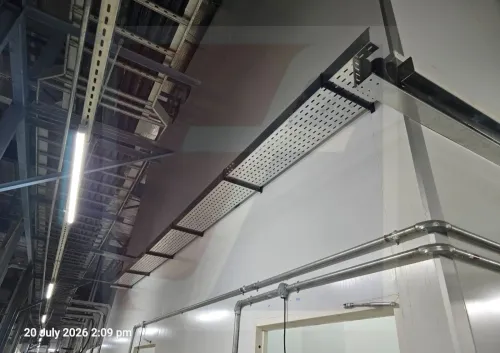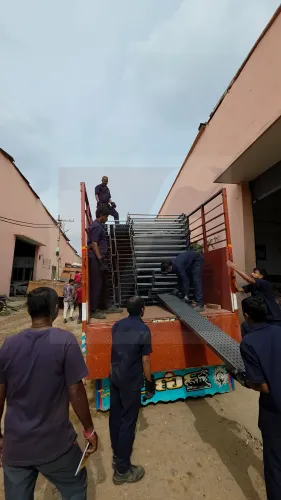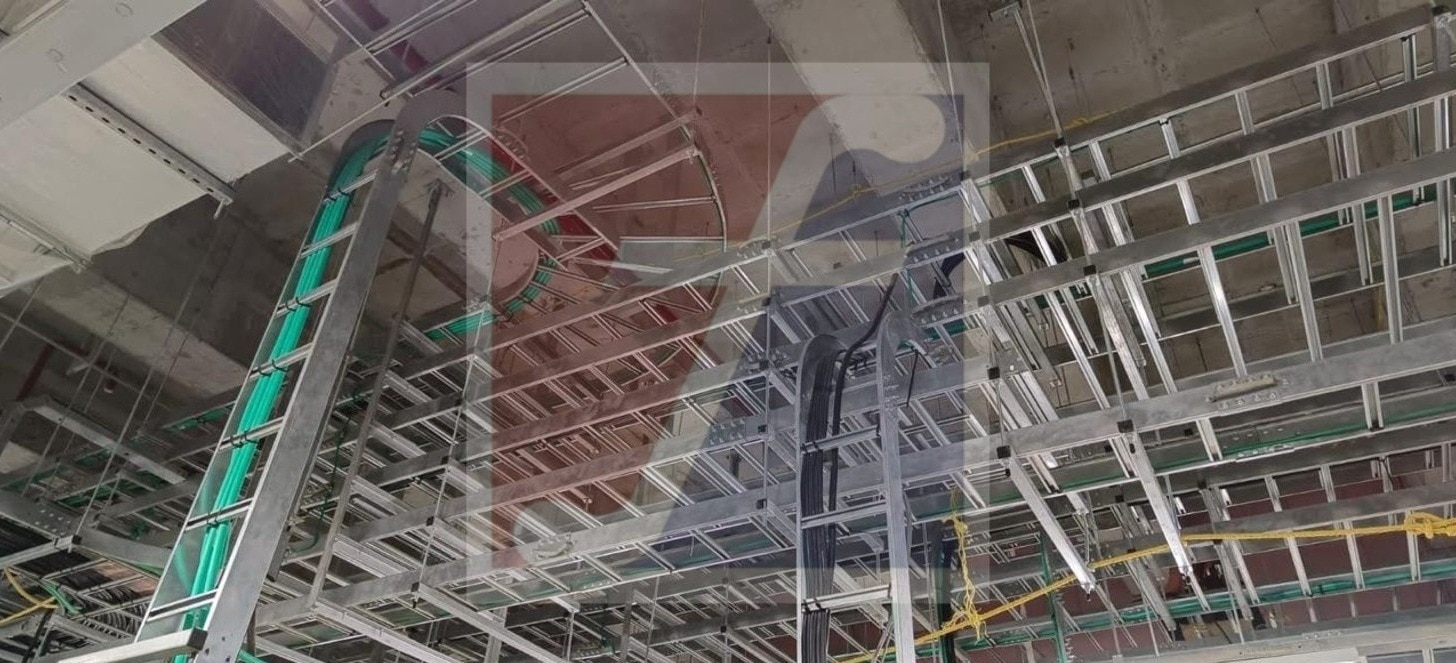
A quoted tray length is not the same as a complete installation package: couplers, fitting hardware, supports, covers, bonding provisions and documents may sit outside the base price. By the end, you will be able to turn a route drawing into a checked bill of materials, compare ladder cable tray specifications, and identify shortages before installation.
Key takeaways
- Define every tray, fitting, joint, support and hardware item before comparing prices.
- Calculate tray quantity from route length, bends, risers, drops and spare capacity.
- Request material, finish, load, continuity, test and delivery details in writing.
- Use a compliance matrix to compare a Bengaluru supplier’s offer line by line.
Define the ladder tray package before comparing prices
A quoted price is comparable only after the ladder tray package contents are defined line by line. “Complete with accessories” proves nothing: IEC 61537 covers construction, mechanical-load performance, electrical continuity and tests, but it does not define which items a commercial package must contain.
1. Mark straight sections as included, with each length, width and delivery unit. Identify bends, tees, crosses, reducers and other fittings by angle, radius and quantity. State whether covers are included, optional or separately priced, and specify flat, peaked, ventilated or weather-resistant types, plus clamps, hold-downs and overlaps.
2. List every joint item separately: splice plates or couplers, bolts, nuts and washers. State whether normal, expansion and adjustable connections are included. A quote for tray lengths alone can leave you buying a large quantity of joint hardware later.
3. Identify support hardware, bonding jumpers, earthing hardware, separators and installation drawings as included, optional or excluded. Give support spacing, fastener type and finish rather than hiding them under “accessories.”
For ladder cable tray for inclusions in Bengaluru, attach a marked route drawing and bill of quantities to the enquiry. Require a compliance matrix showing quantity, dimensions, fittings, couplers, covers, supports, bonding, documents, packing and site-delivery scope. Record minimum order lengths, delivery splits and the policy for replacement or site modification before comparing totals.
Specify the tray and calculate the quantity the route needs
Start with the route drawing, not the supplier’s standard length. Measure each straight run, count every bend, tee, cross and reducer, then convert the straight-run total into the manufacturer’s available lengths while deducting the length occupied by fittings. Record spare material separately; do not hide it inside the calculated route quantity.
Your ladder cable tray specifications should state:
- Tray width, side-rail height, sheet thickness, overall length and manufacturing tolerance
- Rung spacing, rung profile and the permitted cable fill, including separation requirements for power, control and data cables
- Allowable working load at the specified support span, maximum deflection, splice-joint assumptions and any concentrated-load rating
- Minimum fitting radius, material, finish and the site temperature or corrosion category
- Support spacing, support type and the required number of supports for each run
| Specification | What to record | Why it changes the order |
|---|---|---|
| Tray size | Width, side-rail height and length | Determines usable capacity, clearance and number of straight sections |
| Structural rating | Load per metre at span, deflection limit and concentrated load | A tray that carries the cable weight on paper can fail between supports |
| Cable geometry | Cable outside diameters, fill, separation and bend radius | Sets width, fitting radius and route space |
| Joint design | Splice type, bolt arrangement and expansion provision | Changes coupler quantities and installation assumptions |
Use IEC 61537 test information to verify construction, mechanical-load performance and electrical continuity. A width and thickness alone do not prove structural adequacy.
Schedule fittings, joints, supports and cable-control hardware
Start with a marked route drawing and convert every change into a line item. A ladder tray procurement checklist should record quantity, fitting angle or radius, tray width, support spacing, fastener type and delivery unit—not merely total tray length.
- Straight runs: list each length, width and side-rail height, including couplers, splice plates, bolts, nuts and washers.
- Route changes: schedule each bend, tee, cross, reducer and vertical offset with its direction and radius; do not accept “standard fittings” as a substitute.
- Joints: identify ordinary splice plates separately from expansion splice plates, then state their locations and hardware.
- Supports: schedule cantilever brackets, trapeze frames, threaded rod, anchors and seismic restraints against each support span.
- Interfaces: identify covers, bonding jumpers, earthing hardware and fire-stopping where the route enters equipment, walls or fire-rated barriers.
- Cable control: add cleats, clamps, hold-downs, separators, dividers or support mesh when cable spacing, short-circuit forces or small-cable sag requires them.
Check the offer against the ladder cable tray specifications: allowable load at the stated span, maximum deflection, concentrated-load rating and splice assumptions. Width and sheet thickness alone cannot prove structural compatibility.
Expansion joints deserve a separate check. Their number and position depend on material, run length, temperature range, support arrangement and building movement, so record them rather than assuming inclusion. Finally, state exclusions, minimum order lengths, delivery splits and the policy for replacement or site modification.
Match material, finish, documents and delivery controls to the site
Specify the metal and finish against site exposure before accepting a quotation. Use pre-galvanized steel for indoor dry areas, hot-dip galvanized steel for outdoor or wet service, and stainless steel or aluminium where corrosion demands it. Record coating thickness, corrosion category, repair method, and controls for contact between dissimilar metals.
Tie the ladder tray package contents to a marked route drawing and bill of quantities, not to “complete with accessories.” The compliance matrix should identify whether each item is included, optional, or separately priced:
- Straight lengths, bends, tees, crosses, reducers, risers, and drop-outs, with width, radius, side-rail height, finish, and quantity.
- Couplers, splice plates, bolts, nuts, washers, bonding jumpers, earthing hardware, and support assemblies.
- Covers as flat, peaked, ventilated, or weather-resistant types, including clamps, hold-downs, overlaps, and heat-dissipation limitations.
- Expansion splice plates and hardware at locations determined by material, run length, temperature range, supports, and building movement.
- Product drawings, load/span data, dimensional tolerances, installation instructions, joint and bonding details, inspection records, and material or coating certificates.
- Packing list, bundle identification, delivery unit, and any split-shipment or site-modification exclusions.
Require each bundle to show tray size, length, fitting type, quantity, and purchase-order reference; seal small hardware separately and protect finished surfaces from moisture and impact. At receipt, count bundles against the packing list, inspect for bent rails, damaged coating, missing hardware, and wrong fittings, then photograph and record discrepancies before installation.
Use a compliance matrix to assess a Bengaluru supplier’s offer
Reject any quotation that says “complete with accessories” without a line-by-line compliance matrix. Attach the marked route drawing or bill of quantities, then require the ladder cable tray supplier in Bengaluru to map every quantity to a quoted item, an exclusion or a separately priced option.
| Matrix line | Evidence to demand | Pass condition |
|---|---|---|
| Straight tray | Length, width, side-rail height, rung spacing, clear or nominal dimension | Quantities match the route and usable cable space |
| Fittings | Bends, tees, crosses, reducers, risers, drop-outs; width, radius, finish | Every route change has a matching component |
| Joints and bonding | Couplers, splice plates, bolts, nuts, washers, bonding jumpers, earthing hardware | Joint count and bonding method are stated |
| Supports | Brackets, hangers, clamps, support span, anchor hardware | Allowable load, deflection limit and span are documented |
| Protection and records | Covers, finish, coating or material, drawings, test documents | Site environment and specified finish are compatible |
| Delivery controls | Packing units, delivery splits, minimum order lengths, replacements | Receiving quantities and remedies are clear |
Your ladder tray procurement checklist should reject a bid that gives only tray width and sheet thickness. Check working load at the stated span, concentrated-load rating, splice assumptions, cable-bending radius and tolerance; a wider fitting may be needed even when straight runs fit.
Do not infer scope from the label ladder trays manufacturer. Fixotech Engineering Systems Pvt Ltd: Manufacturer of Cable Management Systems can be assessed using the same matrix, with exclusions, site-modification policy and delivery responsibility recorded before price comparison.
Related products
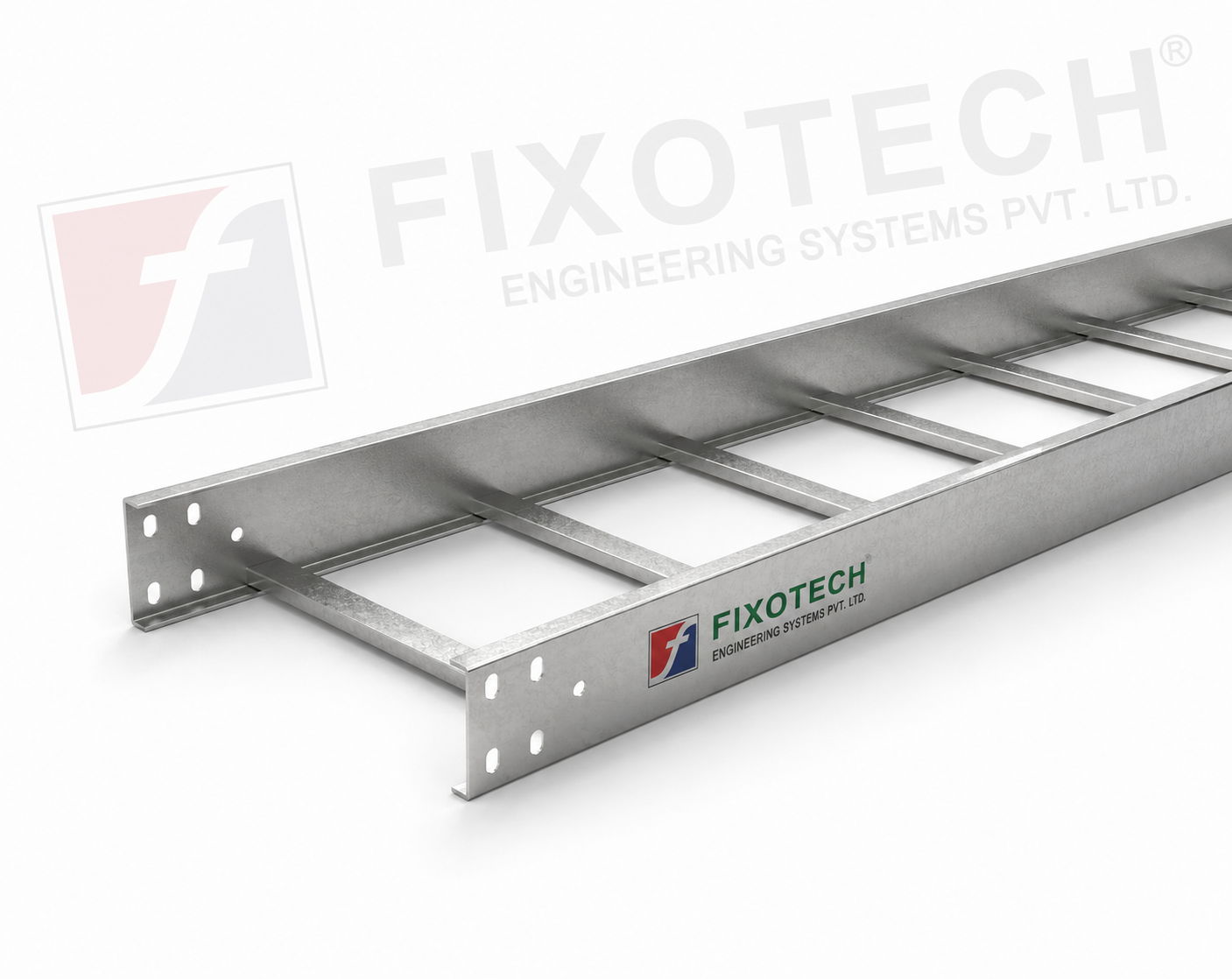 | LADDER CABLE TRAY Other common name in Cable tray industry is ladder tray. Simple design consisting of side rails with rungs connected. View product → |
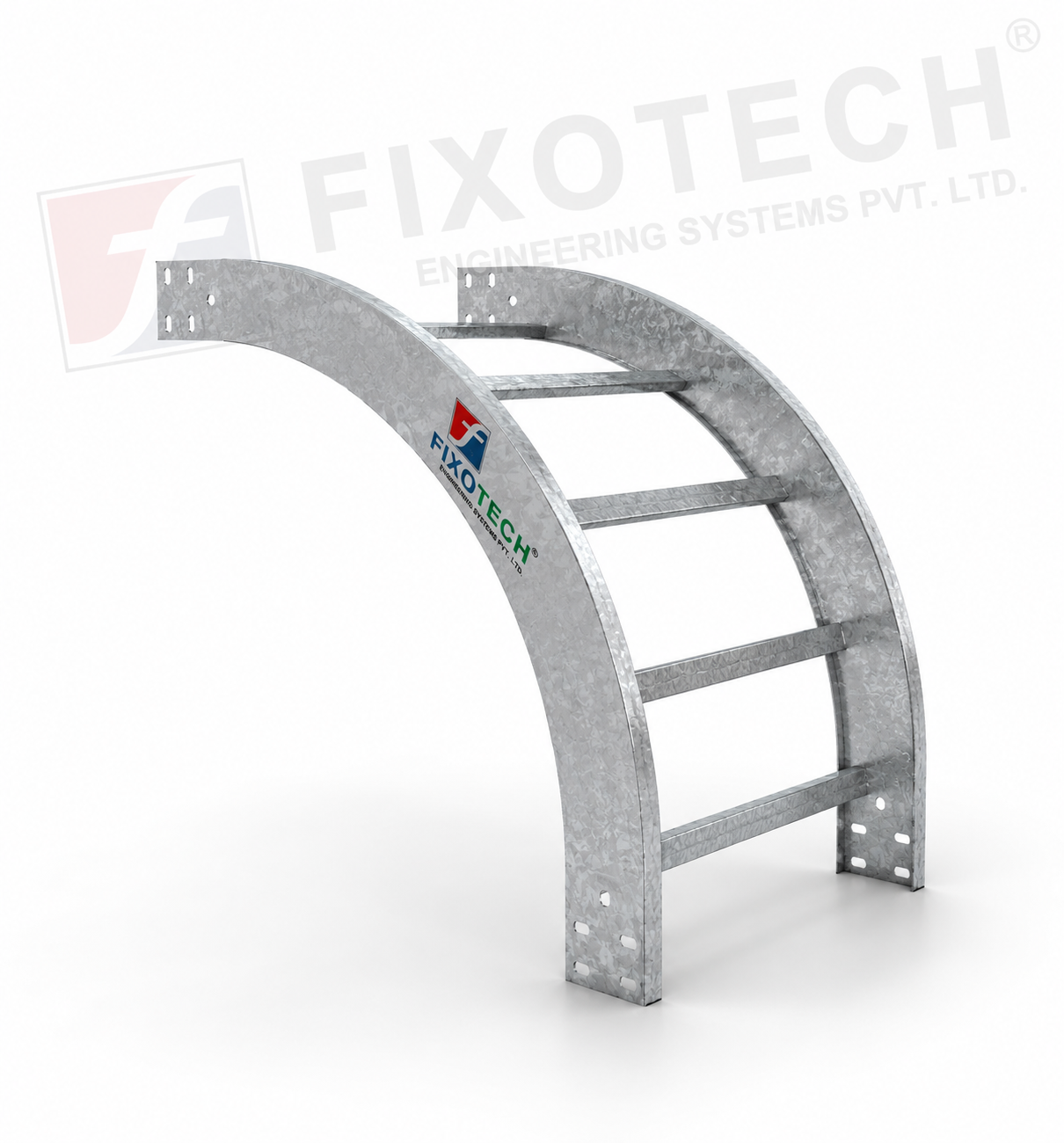 | LADDER CABLE TRAY A particular kind of cable tray called a vertical bent ladder cable tray is made to make it easier to route wires in vertical cable management... View product → |
Frequently asked questions
What should a ladder tray package include?
List the tray, bends, tees, crosses, reducers, risers, joints, fasteners, supports, covers where required and cable-control hardware.
How do you calculate the ladder cable tray quantity for a route?
Measure straight runs, then add the specified lengths for bends, tees, crosses, risers and drops, with documented spare capacity and wastage allowances.
Which ladder cable tray specifications should you compare?
Compare width, side-rail height, rung spacing, steel or aluminium grade, finish, load rating, span, dimensions, joint design and electrical continuity evidence.
How can you assess a ladder cable tray supplier in Bengaluru?
Use a compliance matrix covering each specification, accessory, test document, material certificate, finish, delivery commitment and site requirement.
Related products
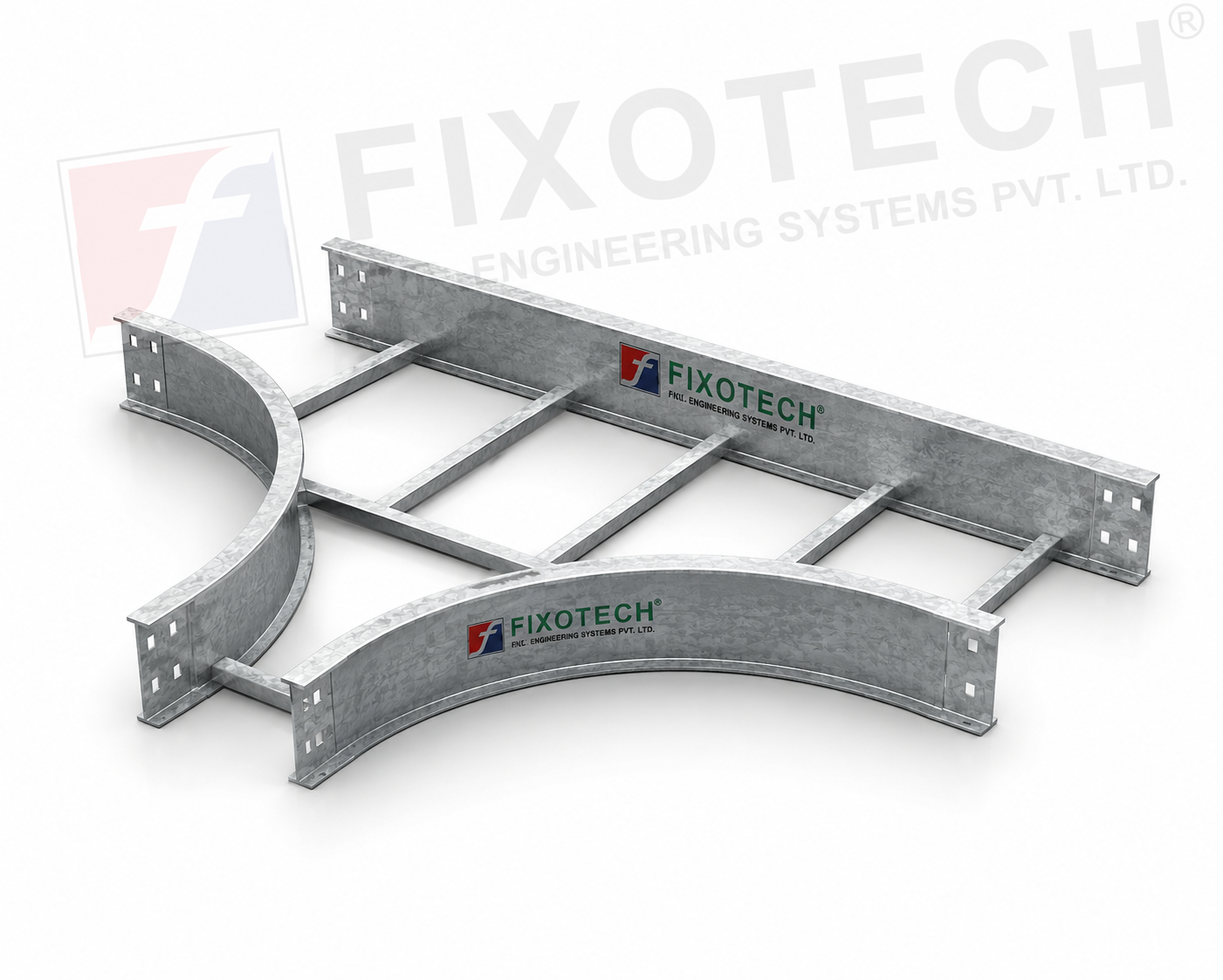 | LADDER CABLE TRAY One particular kind of cable tray made to make it easier to route cables at T-junctions in horizontal cable management systems is the ladder tee bend... View product → |
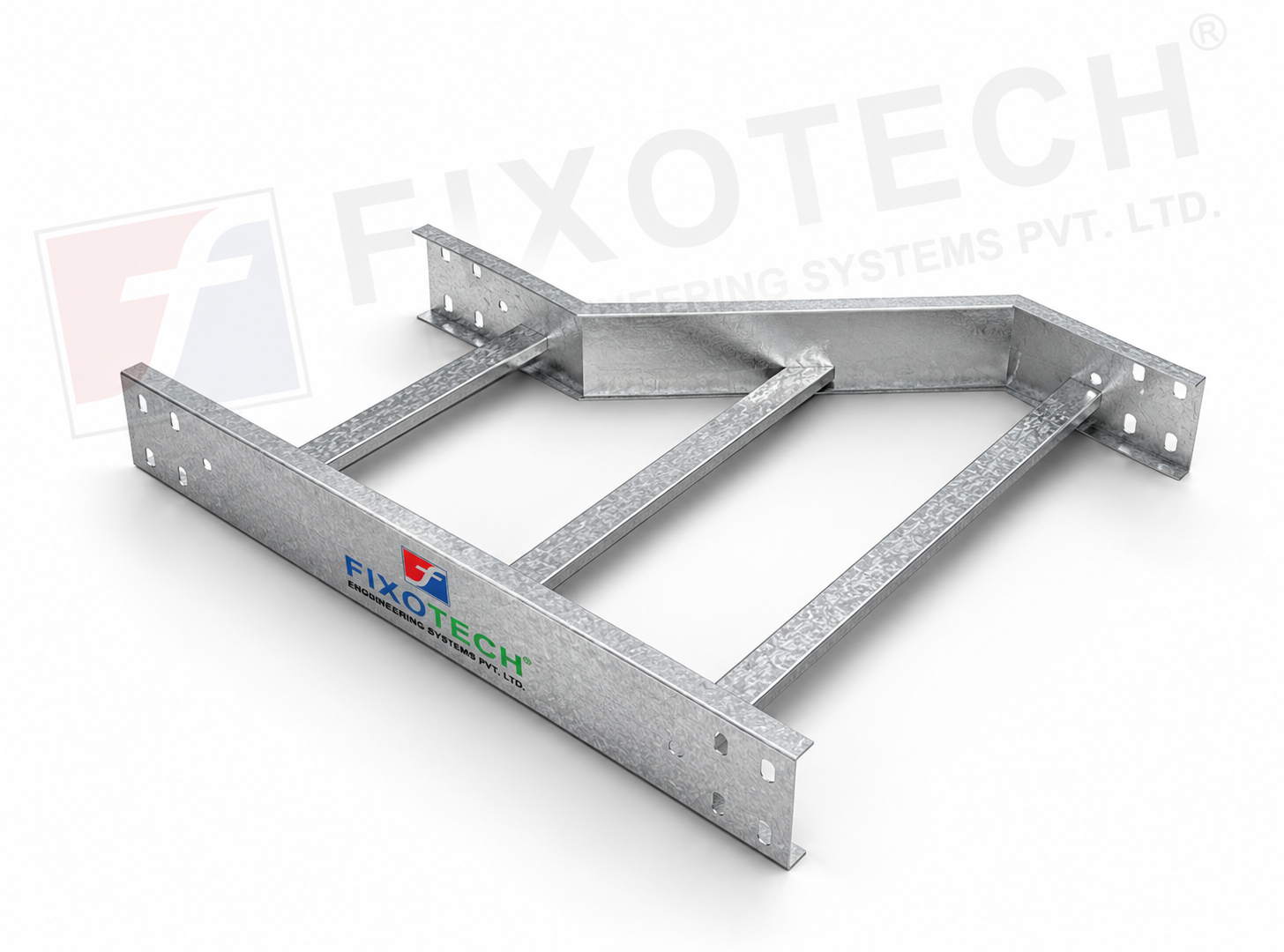 | LADDER CABLE TRAY REDUCER One particular kind of cable tray part made to make switching between cable trays of various widths or diameters easier is the reducer ladder cable... |
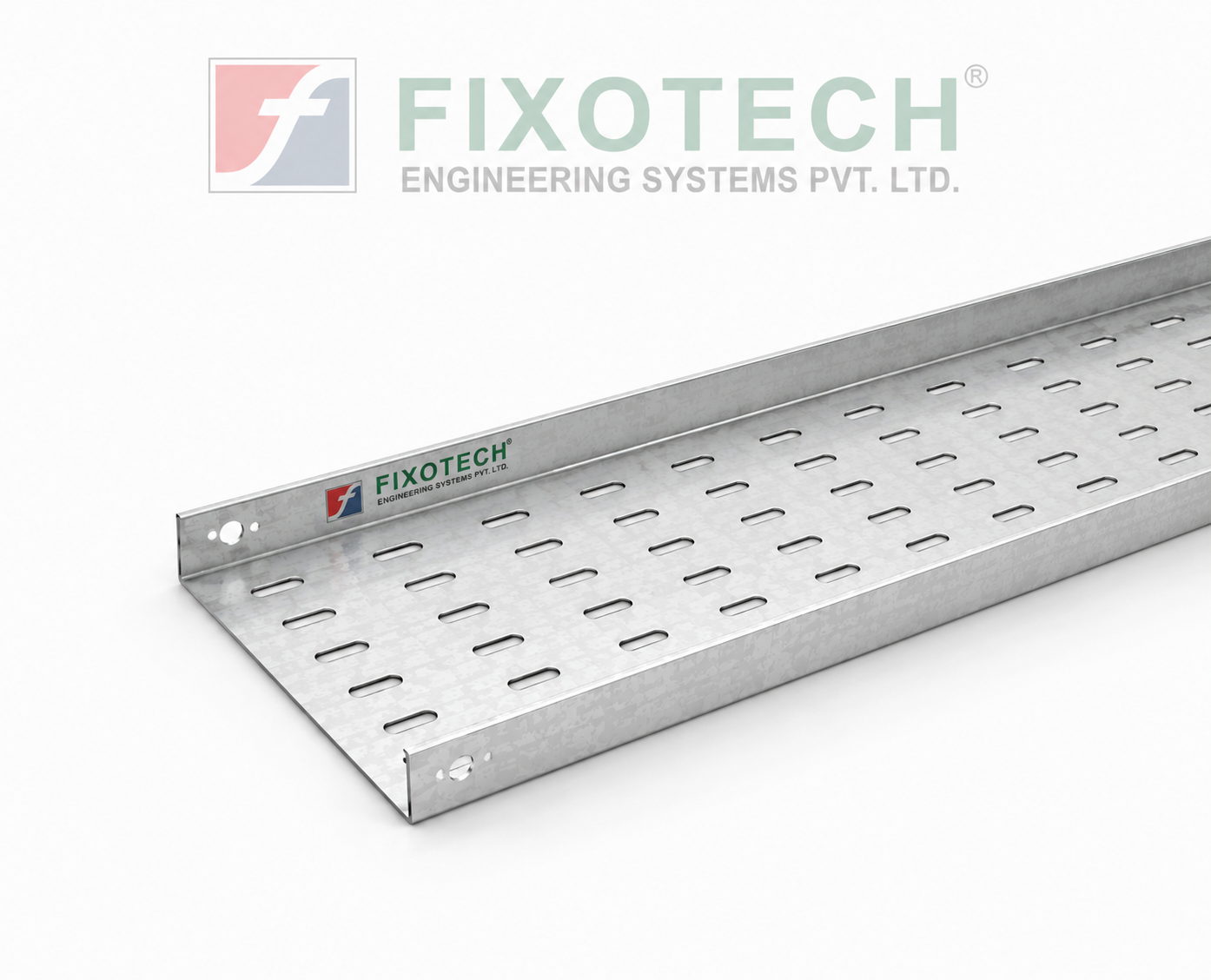 | PERFORATED CABLE TRAY Perforated Tray In electrical systems, a perforated cable trayeither with or without coversis a typical part used to support and arrange cables. View product → |
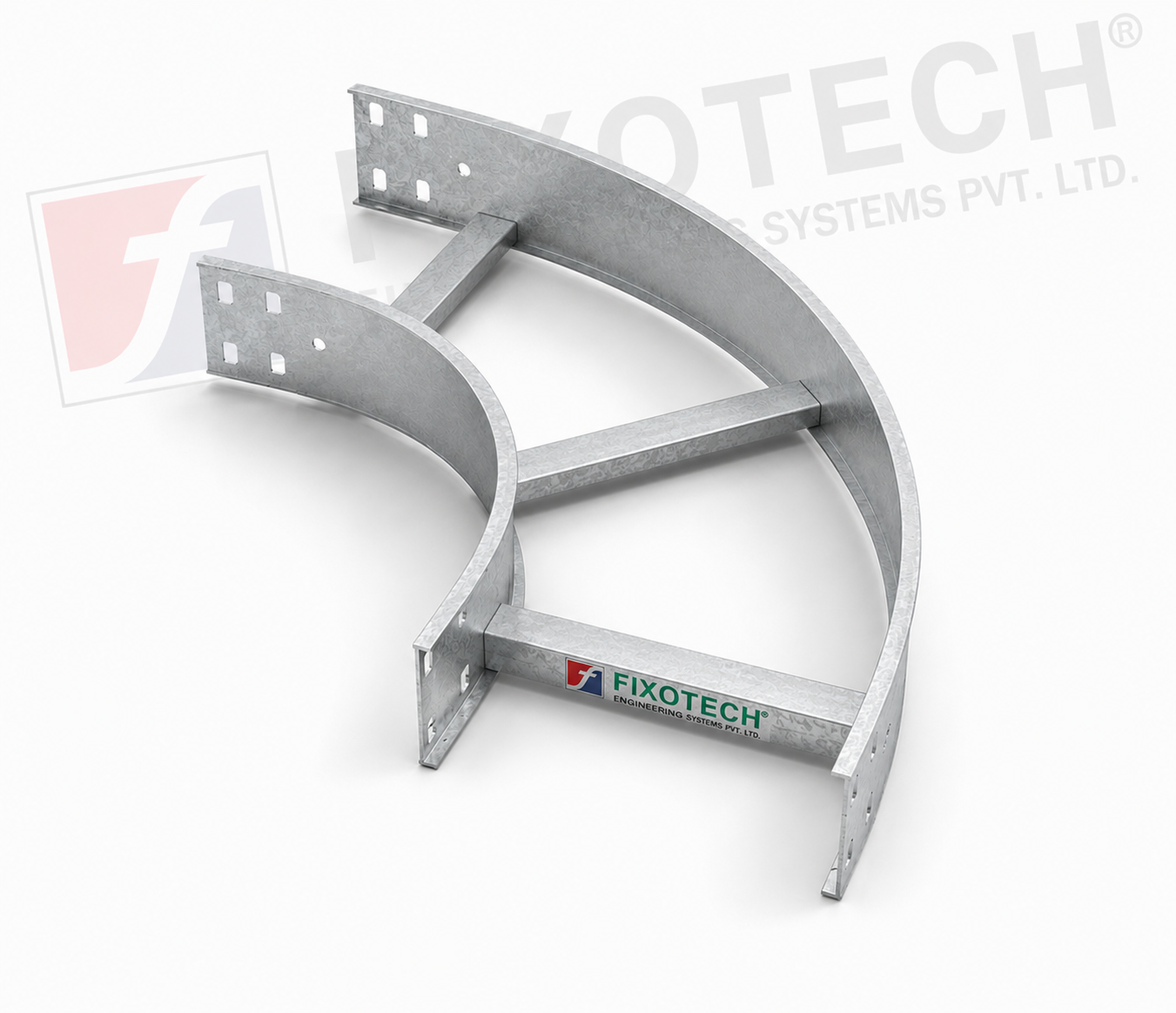 | LADDER CABLE TRAY The purpose of a horizontal ladder bend cable tray is to make it easier for cables to be routed around bends or corners in horizontal cable... View product → |