Thank you for writing to us. One of our executive will reach back to you through your submitted medium. In case there’s an urgency, feel free to connect over WhatsApp for faster response.
Prefer calling? Dial +919341960055 (International callers) or +919341960055 (Indian callers).
Perforated Tray
In electrical systems, a perforated cable trayeither with or without coversis a typical part used to support and arrange cables. Let's examine the distinctions:
1. Perforated cable tray without cover: This kind of cable tray has numerous holes or perforations on the sides and bottom of the tray. It facilitates heat dissipation and air circulation while supporting cables. The lack of coverings makes cables readily accessible for upkeep or adjustments. Less defence against environmental elements like dust, dirt, or unintentional touch results from this, though.
2. Perforated Cable Tray with Covers: This sort of tray has removable covers that may be placed over it, in contrast to an open design of a tray without covers. The coverings give the cables additional defence against the elements, physical harm, and unwanted access. Additionally, they aid in containing any possible fire threats. But the coverings could block airflow, which could raise the temperature within the tray—especially if the cables heat up a lot.
The following are some typical finishes for cable trays:
1. These type by cable trays are made from pre galvanized steel sheet where in a layer of zinc as applied at sheet manufactures end. These trays are most suitable for indoor application..
2. Powder Coating: To provide a strong and long-lasting finish, a dry powder is applied to the cable tray's surface and heated to cure it. Excellent resistance to abrasion, chemicals, corrosion, is provided by powder-coated cable trays. They offer versatility in terms of design and aesthetics because they come in an extensive array of hues and textures. In commercial and architectural settings where endurance and aesthetic appeal are crucial, powder-coated cable trays are frequently utilized.
3. Stainless Steel Finish: Because of the composition of the material, stainless steel cable trays naturally offer corrosion resistance. Stainless steel trays are appropriate for harsh settings where chemical or temperature resistance, hygienic conditions, and cleanliness are vital. They could have a brushed or polished surface for increased visual appeal and longevity. Pharmaceutical facilities, cleanrooms, and food processing plants all frequently use stainless steel cable trays.
4. Galvanization via Hot-Dip: By submerging the cable tray in molten zinc, a process known as “hot-dip galvanization,“ a thick, resilient layer that guards against corrosion on the steel is produced. This coating offers superior resistance to rust, abrasion, and other types of corrosion since it is metallurgically bound to the steel substrate. For exterior applications and locations subject to dampness, chemicals, marine, and inclement weather, hot-dip galvanized cable trays are perfect.
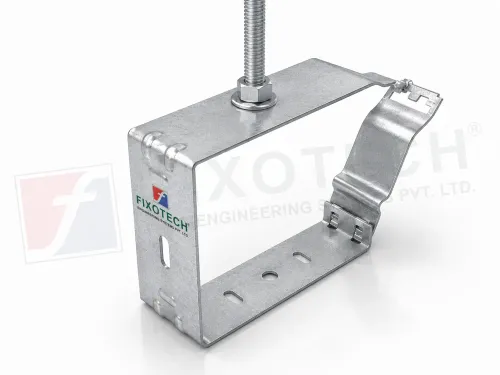
A Raceway Hanger (Openable Type) is a support accessory used to suspend a raceway from the ceiling or structure while allowing it to be opened easily for installation or maintenance of cables.
Typical specification:
Material: GI / MS / SS (as required)
Finish: Pre-Galvanized, Hot-Dip Galvanized (HDG), Powder Coated, or Stainless Steel
Design: Hinged/openable with locking bolt or latch
Mounting: Suspended using threaded rods (M8, M10, or M12)
Applications: Electrical raceways, data cable raceways, instrumentation cable routing
Advantages:
Easy installation and cable additions
Quick maintenance without removing the raceway
Secure support with reusable locking mechanism
Suitable for data centers, commercial buildings, factories, and industrial plants
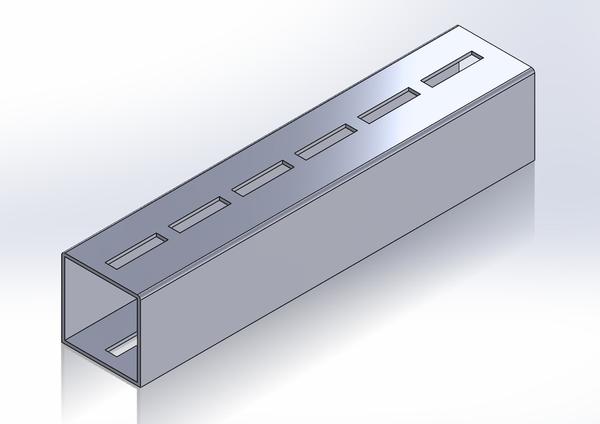
.Precision manufactured slotted square tubes designed for versatile structural and support applications in electrical, industrial, commercial, and infrastructure projects. Fabricated from high-quality steel with accurately punched slots for easy assembly, adjustable mounting, and secure fastening.
Available in Hot Dip Galvanized, Pre-Galvanized, Powder Coated to provide excellent corrosion resistance, durability, and long service life even in demanding environments.
Features
High strength and rigid construction
Precision slotted design for flexible installation
Excellent corrosion resistance with Hot Dip Galvanized finish
Easy cutting, assembly, and modification on-site
Smooth surface finish with accurate dimensions
Suitable for heavy-duty support applications
Applications
Cable Tray Support Structures
Electrical & Mechanical Installations
Equipment Mounting Frames
Solar Support Structures
Industrial Fabrication Works
Pipe & Conduit Support Systems
Warehouse & Utility Structures
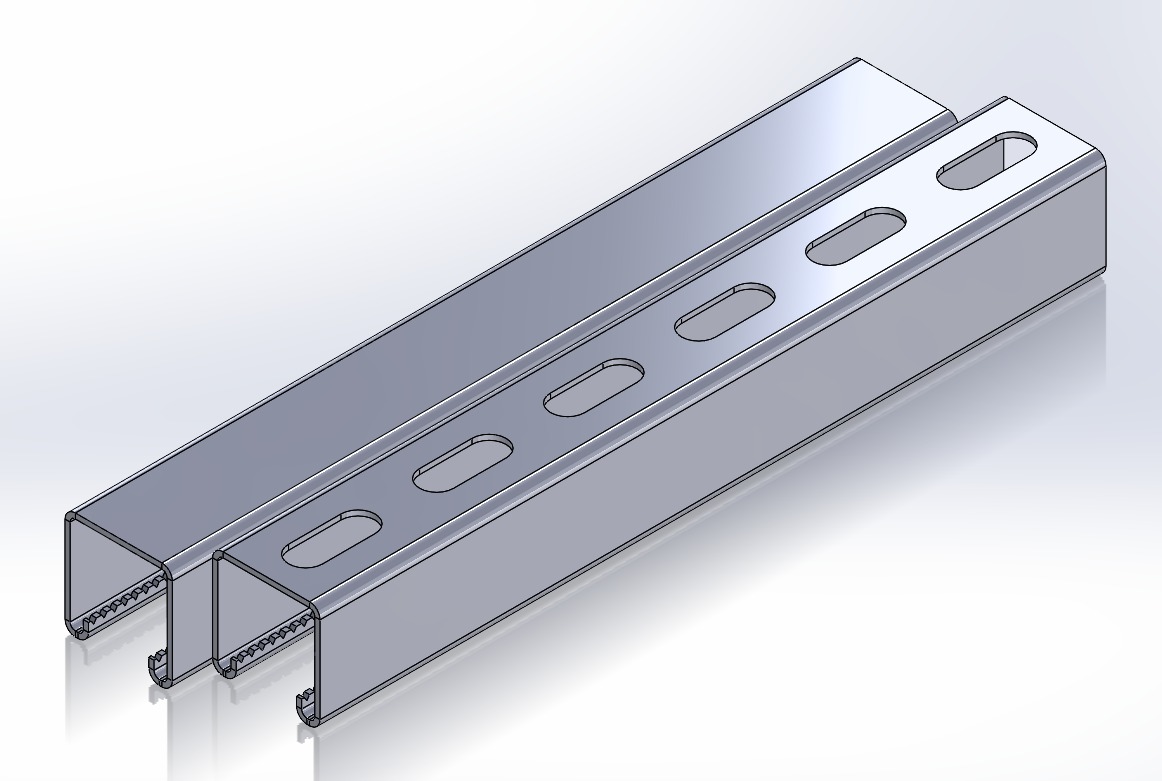
.High-strength modular support system manufactured from premium quality steel with precision roll-formed profile for superior load carrying capacity and easy installation. Suitable for supporting cable trays, pipes, conduits, HVAC systems, solar structures, electrical panels, and industrial frameworks.
Available in pre-galvanized, hot dip galvanized, powder coated, and stainless steel finishes for enhanced corrosion resistance and long service life. Designed with slotted perforations for flexible mounting, fast assembly, and compatibility with standard channel accessories.
Features
Heavy-duty construction with high load bearing capacity
Hot Dip Galvanized finish for superior corrosion protection
Easy installation and adjustment
Compatible with standard channel fittings and accessories
Ideal for industrial, commercial, and infrastructure projects
Available in multiple sizes and thicknesses
Applications
Cable Tray Support Systems
Electrical & Mechanical Installations
HVAC & Plumbing Supports
Solar Panel Mounting Structures
Industrial Pipe Supports
Ceiling Suspension Systems
Available in MS, GI, ZAM
product-detail-entry-exit
Fixotech Engineering Systems Pvt Ltd, No 4 & 5 , J.P.R.Building, Gurunanjudaiah Industrial Area, Abbigere, Chikkabanavara Bangalore 90.
560090
Bengaluru
India
+919341960055
Fixotech Engineering Systems Pvt Ltd: Manufacturer of Cable Management Systems
 Chat with us
 Chat with us