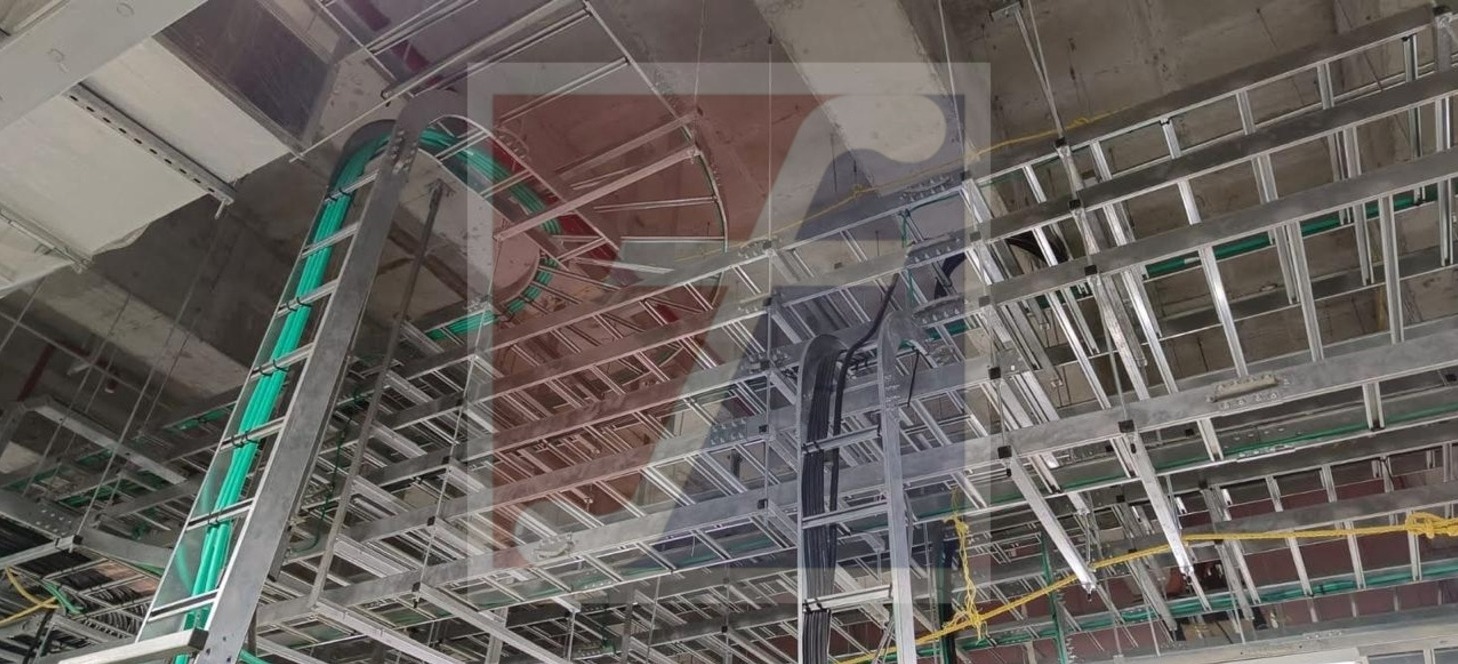
Choosing between ladder and perforated cable trays is a common decision during industrial cable-routing planning. Both provide organized cable pathways, but their construction is different. Buyers searching for a Ladder Trays Manufacturer in Bengaluru should evaluate the cable characteristics and project conditions before deciding which tray format is appropriate.
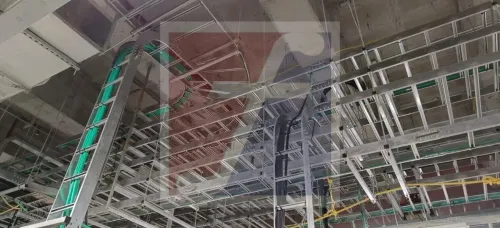
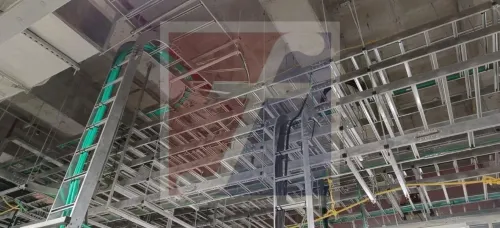
A ladder tray consists of two longitudinal side rails connected by transverse rungs. The open structure resembles a ladder and provides high levels of ventilation around the cables. It also offers convenient cable access along the route.
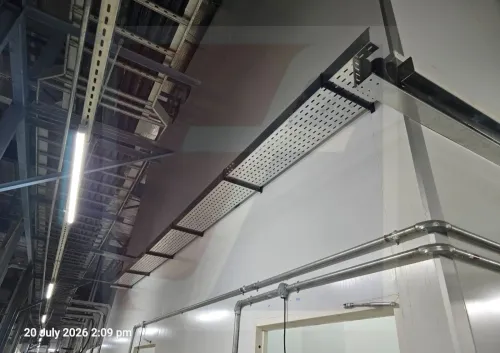
A perforated cable tray, by comparison, has a formed base with perforations. Cables receive more continuous underlying support, while the perforations allow ventilation.
The practical differences can be summarized through several considerations.
Cable support: Perforated trays provide a continuous supporting base apart from the perforations. Ladder trays support cables across the rungs.
Ventilation: The open construction of ladder trays allows substantial airflow around cable runs.
Cable characteristics: The size, weight and type of cables influence which tray construction is more appropriate.
Accessibility: Open ladder construction can make cables easily accessible along the route.
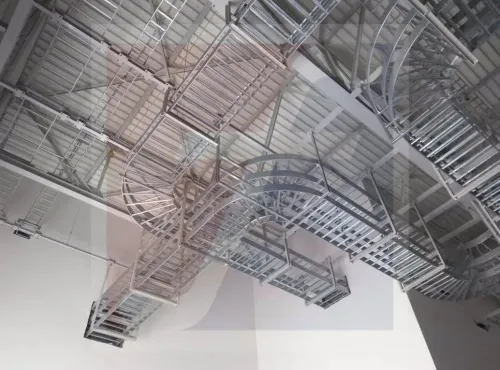
Accessories: Both systems require compatible bends, tees, reducers and other components when routes change direction.
There is no universal rule that one tray is better than the other. The correct selection depends on engineering calculations, cable characteristics, environmental conditions and applicable project specifications.
Industrial facilities in Bengaluru may contain several different cable networks within the same site. For example, a facility can have larger power cable routes in one section and smaller control or instrumentation cables elsewhere. This means a project may use different cable tray types based on individual routing requirements.
Buyers should send manufacturers information such as tray width, side height, rung spacing where relevant, material thickness, material specification, finish and required accessories. Cable loads and route drawings can provide additional context for manufacturing requirements.
Another important consideration is accessory compatibility. Ladder bends, tees, crosses and reducers should correspond with the dimensions and construction of the straight ladder tray sections. Evaluating the entire system rather than only the straight sections can prevent gaps in procurement.
Fixotech Engineering Systems Pvt Ltd manufactures ladder trays and related cable management components for Bengaluru and Karnataka project requirements. Buyers comparing ladder tray manufacturers can assess manufacturing range, dimensional capability, accessory availability and conformity with project specifications.
The ladder-versus-perforated decision should ultimately be made from the cable route outward. Start with cable characteristics and engineering requirements, determine the appropriate tray configuration, and then identify a manufacturer capable of producing the complete specified system.