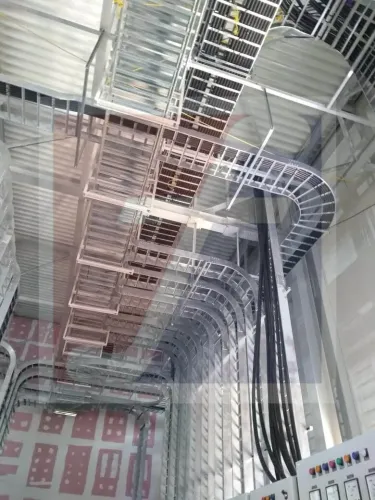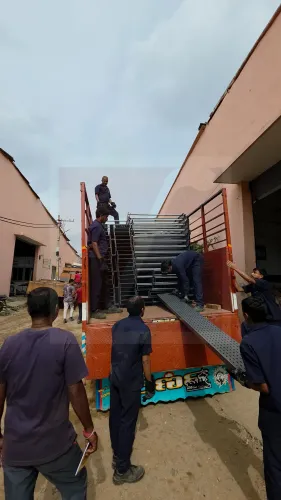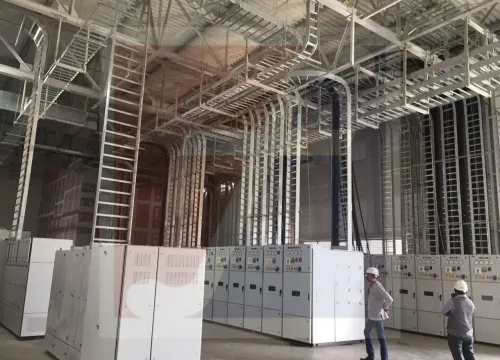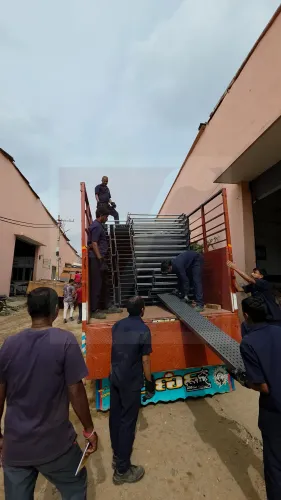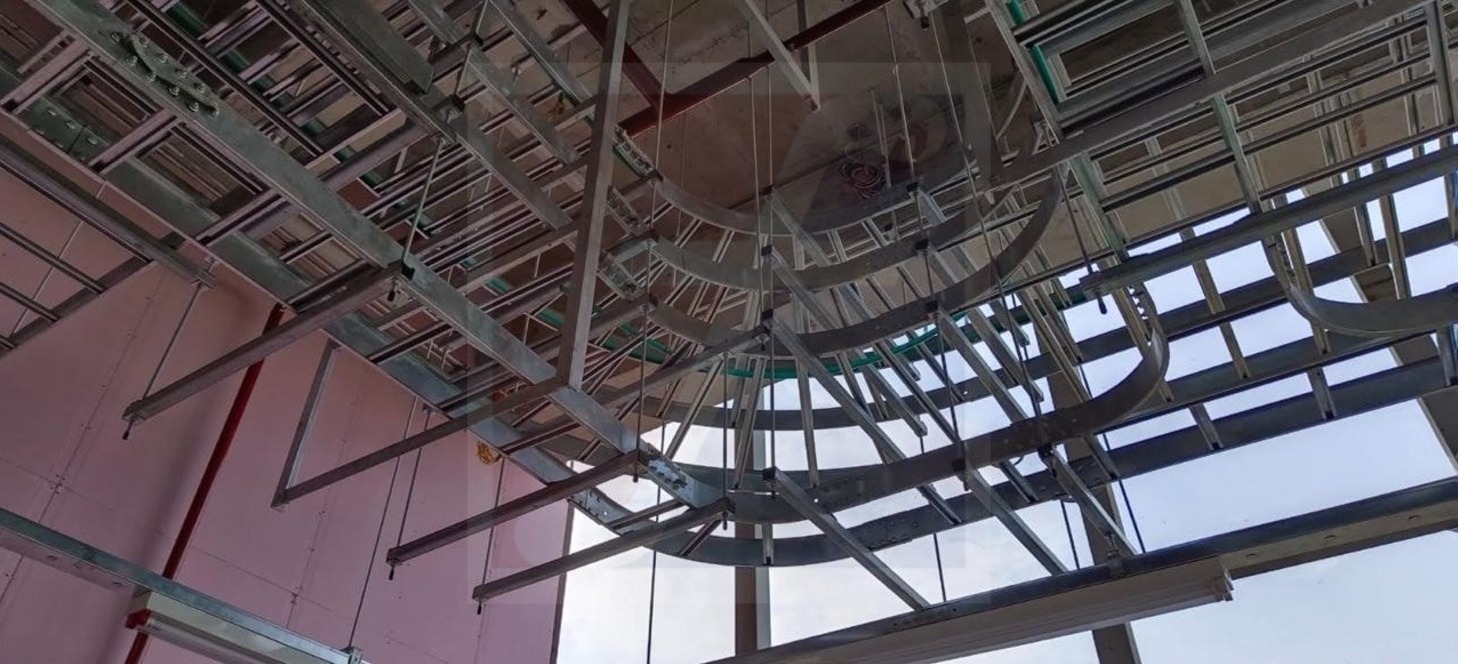
Ladder cable tray systems may require multiple accessories to follow an engineered cable route. When these components are specified incompletely, buyers can encounter dimensional mismatches, incorrect quantities or products that do not correspond with the approved tray configuration.
Procurement teams evaluating a Ladder Tray Accessories Manufacturer in Kochi can reduce these risks by avoiding several common mistakes.
Mistake 1: Ordering Accessories Only by Name
A requirement such as "ladder tray bend" is incomplete if dimensions and other technical details are missing.
The manufacturer needs sufficient information to understand which ladder tray configuration the accessory must correspond with.
Mistake 2: Ignoring Route Changes
Electrical drawings may include horizontal turns, vertical transitions and branches. If procurement is based only on the total length of straight ladder trays, necessary accessories can be overlooked.
Review the route itself, not just the tray schedule.
Mistake 3: Mixing Specifications
A project may contain several tray widths or specifications. Accessories should be allocated to the correct tray configuration.
This is especially important when multiple electrical areas are included in one procurement package.
Mistake 4: Forgetting Reducer Dimensions
A reducer connects sections of different widths. Specifying only one dimension creates uncertainty.
Both relevant tray widths and the required configuration should be communicated to the manufacturer.
Mistake 5: Comparing Price Before Technical Equivalence
Two quotations may appear to describe the same accessory while differing in dimensions, material, thickness, finish or construction.
Commercial comparison is meaningful only after the products being compared satisfy the same technical requirement.
Mistake 6: Treating Accessories as an Afterthought
Straight trays and accessories are parts of the same cable management route. Procuring them as unrelated product groups can make specification coordination more difficult.
For projects in Kochi, Kerala, buyers can prepare a single schedule covering ladder trays, bends, tees, crosses, reducers, couplers and other required components.
Fixotech Engineering Systems Pvt Ltd manufactures ladder trays and ladder accessories for industrial and commercial cable management requirements.
Before issuing a purchase order, procurement teams should reconcile the component schedule with current project drawings. Tray dimensions, accessory configurations, quantities, material and finish can then be checked as one coordinated manufacturing requirement.
That approach shifts procurement from buying individual components to sourcing a technically consistent cable management product package.