A raceway junction box is easy to specify badly: the outside dimensions may fit while the entries, bend radius, earthing path, segregation, sealing and maintenance access do not. By the end, you will be able to select the correct box, define its installation and inspection requirements, and prepare a procurement brief for a Kochi supplier.
Key takeaways
- Choose a junction box for branching, termination or inspection—not cable pulling alone.
- Confirm enclosure volume, gland positions, bend radius and mounting space before ordering.
- Specify IP protection, material, bonding and circuit separation as one design package.
- Give suppliers drawings, cable data and maintenance requirements they can verify.
Choose a junction box by function, not by the opening in the raceway
Use a raceway junction box when conductors must branch, terminate, or be inspected inside a protected enclosure—not merely change direction. It needs usable volume for terminals, glands, bend radius, bonding, and circuit segregation; a pull point designed only for drawing cable is not automatically suitable for splicing.
| Option | Choose it when | Do not use it when |
|---|---|---|
| Raceway junction box | You need controlled branching, cable termination, inspection, or a sealed transition between raceway sections | The enclosure lacks terminal space, entry sealing, or separation for the circuits inside |
| Tee bend | One raceway run branches at a fixed angle without conductor termination | You need terminals, multiple cable entries, or frequent inspection access |
| Cross bend | Two raceway runs cross and continue without joining conductors | The crossing requires splices, segregation, or a serviceable enclosure |
| Access cover | You need to inspect or draw cables through a continuous raceway | You need cable entries, branch connections, or termination hardware |
| Pull box | You need extra pulling space for long runs, offsets, or difficult bends | You intend to splice or terminate cables without a design for enclosure volume and access |
| Simple raceway joint | You are joining aligned sections with compatible couplers | You are changing direction, branching, adding entries, or accommodating terminations |
For a raceway junction box in Kochi, match the box, adaptors, couplers, glands, end caps, and bonding parts as coordinated cable accessories for raceways. Specify IEC 60670-1 where applicable and verify that the raceway-to-box joint, cover gasket, cable entries, and unused knockouts preserve the installed system’s protection—not just the box’s advertised IP rating.
Check the physical fit before ordering the enclosure
A box fits only when its usable internal space, raceway opening and entry layout work together; outside length alone proves little. Measure the raceway width and height, box length and depth, cover projection, and clear space around the cover for tools and cable bending.
| Check | Record before approval | Failure if missed |
|---|---|---|
| Raceway interface | Opening width and height, adaptor type, joint dimensions and alignment | Misaligned joints, sharp edges or a forced connection |
| Internal space | Clear length, width and depth after fittings; terminal-block and bonding-washer clearance | Glands, locknuts or conductors obstruct the cover |
| Cable route | Entry-to-entry distance, bend radius, cable fill and spare capacity | Insulation stress, crushed cables or impossible dressing |
| Cover access | Cover swing or removal space and fastener clearance | No safe inspection or termination access |
| Entry sealing | Entry count, size, orientation, gland type and unused-entry seals | Water ingress or an unsealed raceway system |
Ask a junction box supplier in kochi for a dimensioned drawing showing every entry centreline, knockout diameter, thread standard and entry spacing. Confirm that the box accepts the raceway width and height without reducing the cable path, and that glands leave room for locknuts, sealing washers and bonding connections.
Specify cable accessories for raceways as one coordinated set: adaptors, couplers, reducers, end caps, glands, bushings and bonding parts. Do not mix metric and imperial threads or nominal sizes from different systems; poor engagement can loosen the joint and defeat the enclosure seal.
Request evidence for IEC 60670-1 where applicable, plus the offered configuration’s IP test details. Verify that terminals suit the conductor size, current, temperature and fault duty, and that a replacement gasket and blanking plugs are available.
Specify protection, materials and circuit separation together
Specify the enclosure, protection, materials, and internal separation as one system; a high standalone IP rating does not repair a leaking raceway joint.
For industrial junction boxes in Kerala, require construction to IEC 60670-1 together with the applicable raceway-system requirements. State the following in the schedule:
- IP rating for solids and water, with the raceway-to-box joint, cover gasket, cable glands, and unused knockouts sealed to the same level. IP does not cover salt air, chemical vapour, ultraviolet exposure, or impact.
- Enclosure material, coating system, fastener material, gasket compatibility, and corrosion-test evidence for monsoon humidity, coastal salt, and nearby industrial vapours.
- Ambient temperature, expected conductor temperature, terminal rating, and heat dissipation. A crowded metal box can exceed a connector’s temperature rating even when the raceway itself remains cool.
- Maximum cable fill by usable internal area and a stated spare capacity. Leave room for the specified bend radius, inspection, termination, and future conductors rather than filling the box to its physical limit.
- A bonding method for metal raceway and enclosure. Require bonding jumpers or certified bonding hardware where paint, powder coating, gaskets, or corrosion could interrupt protective-conductor continuity.
- Separate entries, partitions, spacing, or separate boxes for power, control, instrumentation, intrinsically safe, and data circuits.
A raceway junction box in Kochi must not become an uncontrolled splice point. Specify terminals or connectors, enclosure volume, inspection access, and conductor current and temperature ratings; a pull-only box is not automatically suitable for terminations.
Install, bond and wire the box without losing system performance
Install the box as part of the raceway system, not as an improvised splice point: the sequence below preserves mechanical, electrical and environmental performance.
1. Isolate the circuit, verify the latest layout, and mark the box so entries align without forcing cables or exceeding bend radius.
2. Cut the raceway square, remove burrs, and join it with approved fittings. Seal the raceway-to-box joint to the system’s required protection level, allowing for thermal expansion on long or sun-exposed runs.
3. Secure the enclosure to its support before pulling conductors. Do not let cable weight, gland torque, or raceway movement load the box or its cover.
4. Route power, control, instrumentation, intrinsically safe, and data circuits through their specified entries or partitions. Maintain fill limits, separation, spare capacity, and the cable manufacturer’s minimum bend radius.
5. Make each splice or termination with a rated terminal block, connector, or gland. Confirm enclosure volume, conductor temperature rating, current rating, insulation compatibility, and inspection access; a pull box is not automatically suitable for splicing.
6. Bond every metallic raceway, box, cover, gland plate, and partition that forms part of the protective-conductor path. Use bonding jumpers or listed bonding hardware where paint, powder coating, gaskets, or corrosion interrupt continuity.
7. Seal unused knockouts and entries, fit the gasket correctly, torque cover fasteners evenly, and test protective continuity before energising.
For industrial junction boxes in Kerala, specify cable accessories for raceways against IEC 60670-1 and the applicable raceway-system requirements. A higher box IP rating cannot compensate for an unsealed joint or open entry.
Prepare a supplier brief that can be checked and maintained
Send a cable accessories manufacturer junction box in Kochi a marked-up raceway layout, circuit schedule and installation environment, not only a box width. State raceway width and height, box length and depth, entry and exit alignment, cover clearance, cable count, conductor sizes, bend radius, spare capacity, circuit segregation and the required entry orientation.
- Request a dimensioned drawing showing usable internal dimensions, gland centres, knockout or gland-hole sizes, cover fasteners, bonding points and terminal-block space.
- Require material, coating, gasket, temperature and corrosion-resistance data, plus IEC 60670-1 compliance and the applicable raceway-system standard.
- Ask for IP-test evidence for the offered box, cover, gasket, glands and entry arrangement together. State permitted drilling, maximum hole sizes, unused-entry plugs and cover-torque values.
- Specify terminal ratings, conductor-temperature limits, gland compatibility, earthing continuity and short-circuit withstand where the circuit requires it.
- Obtain a delivery schedule, packing method, inspection documents and replacement-gasket availability. Fixotech Engineering Systems Pvt Ltd: Manufacturer of Cable Management Systems can be assessed against this same evidence-based brief.
| Requirement | Acceptable evidence | Reject when |
|---|---|---|
| Dimensional fit | Approved drawing with internal clearance and cable-entry layout | Only external dimensions are supplied |
| Ingress protection | IP test report for the exact configuration | A generic “IP65 box” statement is offered |
| Circuit separation | Partition, separate entries or separate-box drawing | Power and data share an undivided chamber |
| Maintainability | Gasket, gland and terminal replacement details | No spare parts or inspection procedure is identified |
A junction box supplier in Kochi should also identify the inspection hold point before dispatch: verify coating, holes, gasket seating, terminal markings and bond continuity against the approved drawing.
Related products
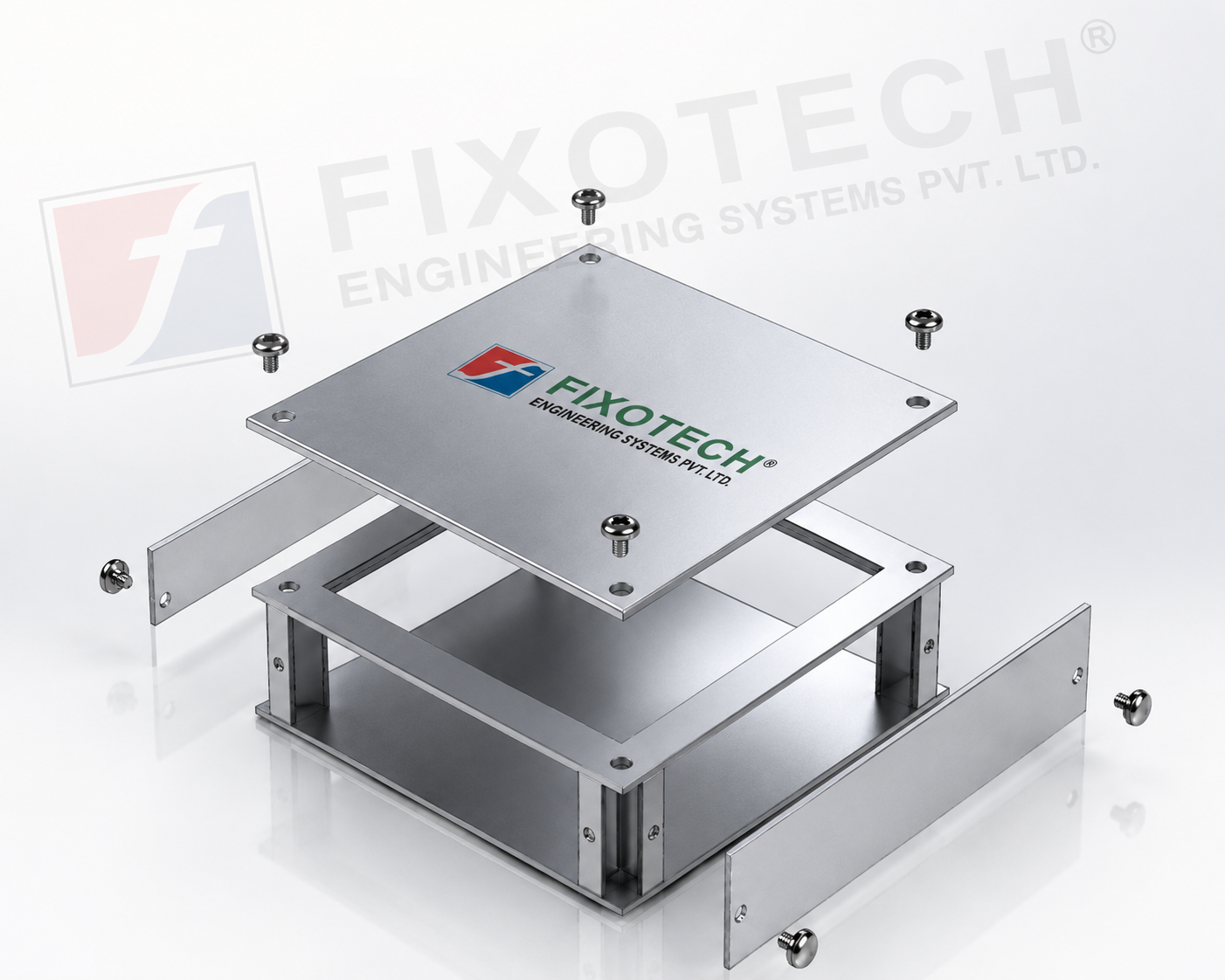 | JUNCTION BOX FOR RACEWAY Within a cable management system, a junction box for a raceway cable tray is a specialized enclosure that makes it easier to branch or terminate... View product → |
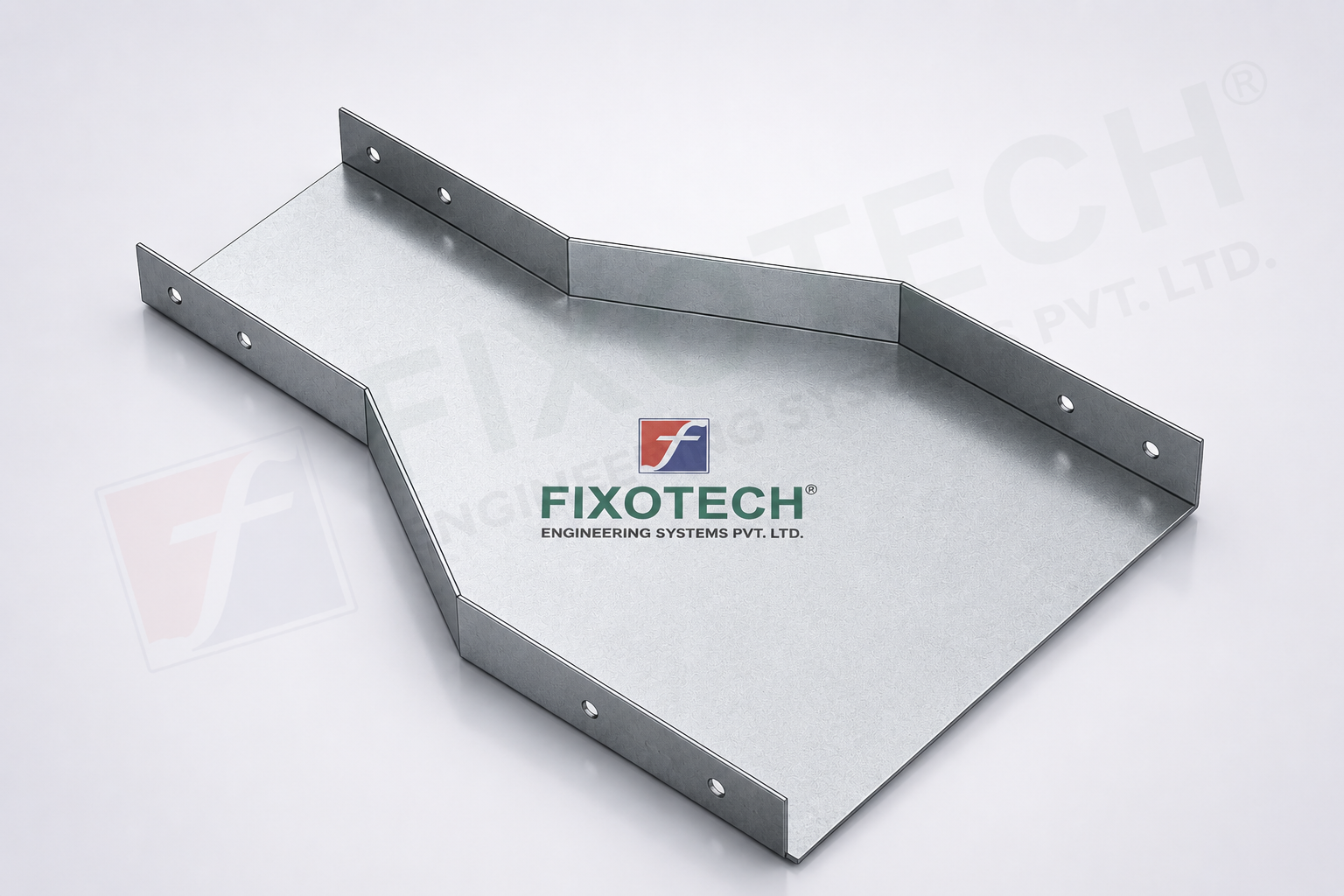 | RACEWAY CABLE TRAY - CEILING RACEWAY REDUCER To move between raceway sections of various widths or capacities, cable management systems use reducer raceway cable trays. |
Frequently asked questions
When do you need a raceway junction box instead of a pull point?
Use a junction box when conductors branch, terminate or need inspection. A pull point designed only for drawing cable is not automatically suitable for splicing.
What physical details must you check before ordering an enclosure?
Check usable internal volume, terminal and gland space, conductor bend radius, entry positions, mounting clearances and access for inspection.
What should you specify for protection and circuit separation?
Specify the enclosure’s IP rating, material, corrosion requirements, bonding arrangement and separation between power, control and communication circuits.
What information should a supplier brief contain?
Include raceway dimensions, cable counts and sizes, circuit types, entry locations, environmental conditions, mounting details, drawings and maintenance access requirements.
Related products
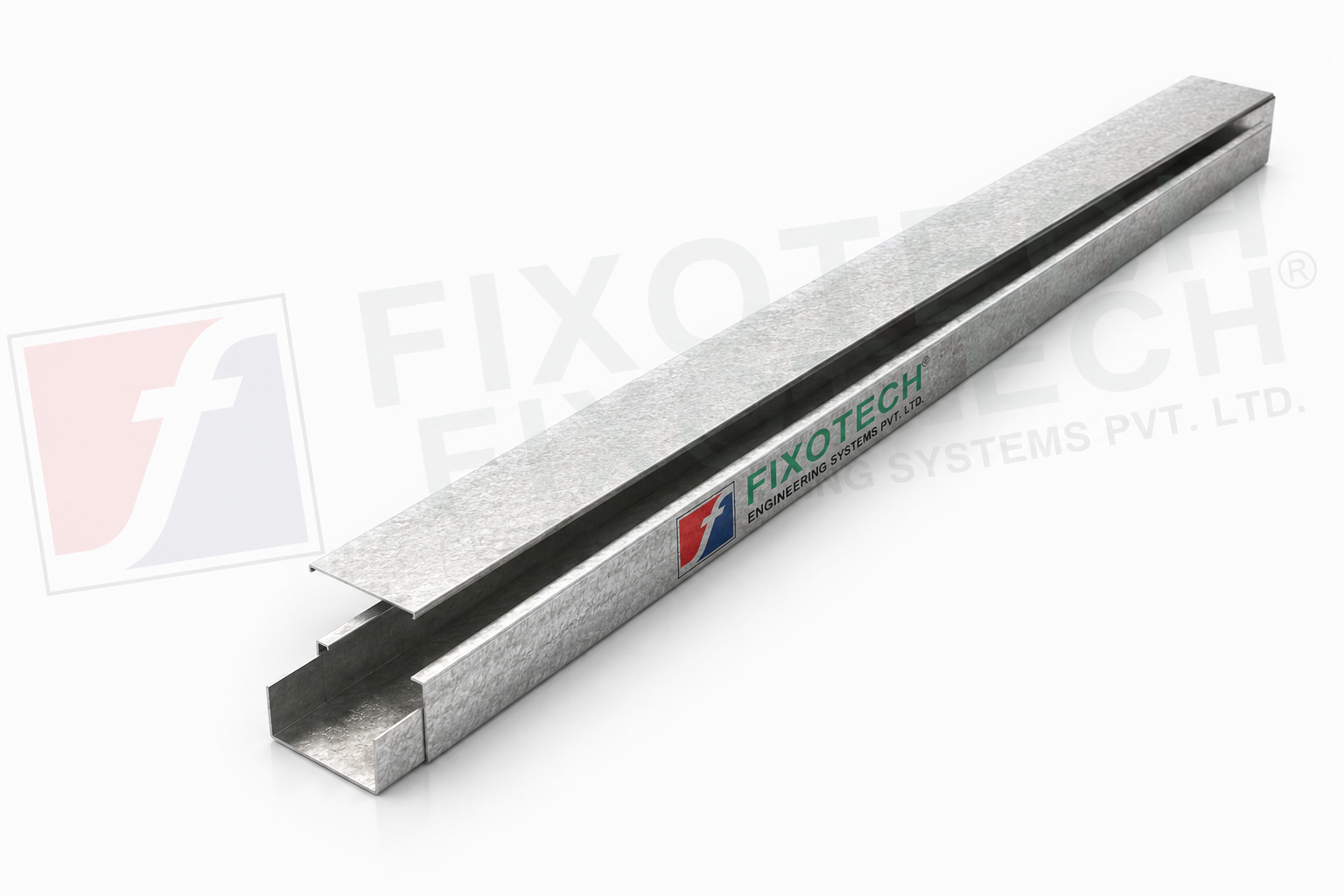 | RACEWAY CABLE TRAY - FLOOR RACEWAY RACEWAY CABLE TRAY - FLOOR RACEWAY A cable management system called a floor raceway cable tray, or just a floor raceway, is used to route and safeguard wires between floors, especially... View product → |
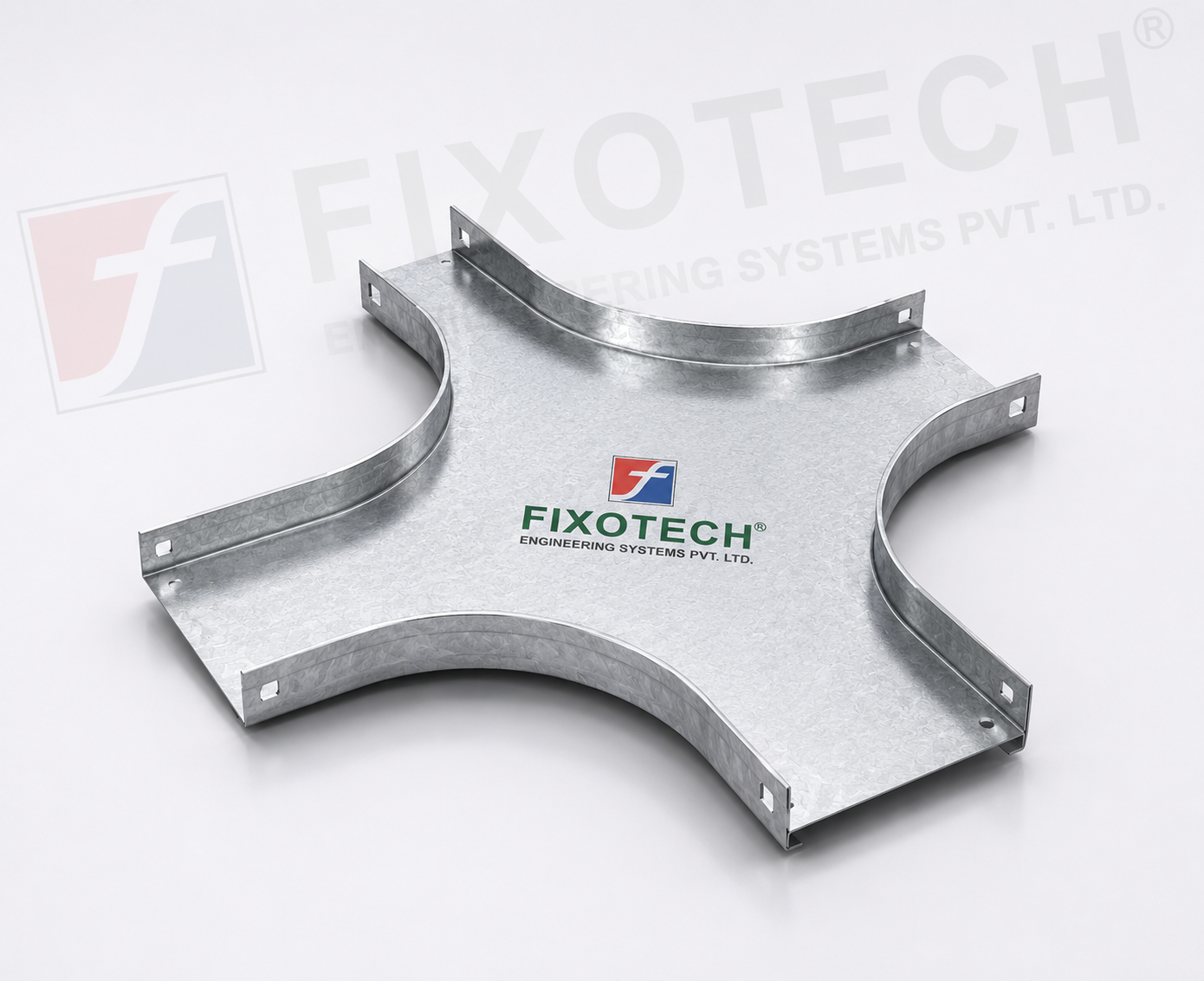 | RACEWAY CABLE TRAY - CEILING RACEWAY One part of a cable management system that helps with the seamless transfer of cables at cross intersections or junctions in a raceway system is the... View product → |
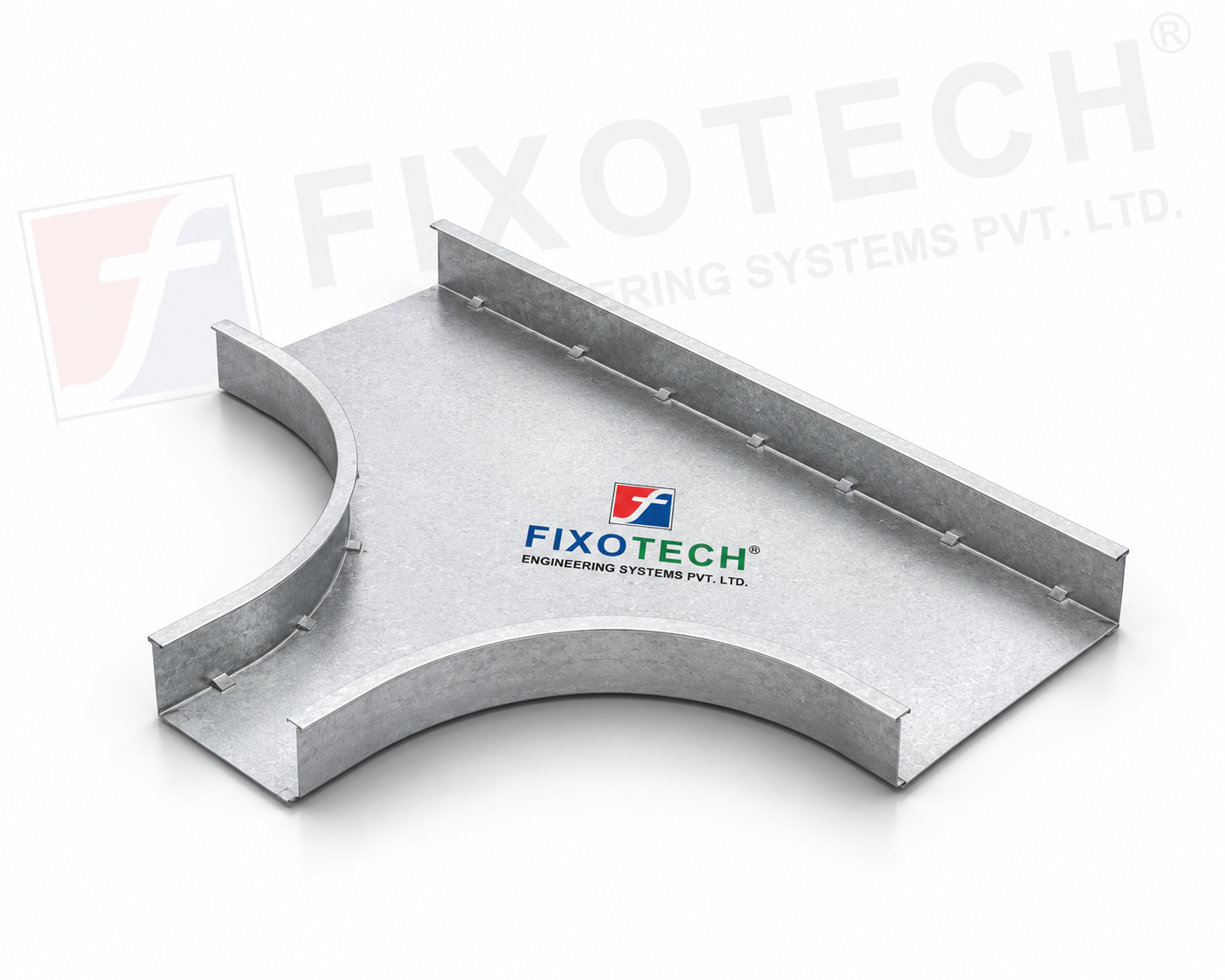 | RACEWAY CABLE TRAY - CEILING RACEWAY One particular part of a cable management system made to help with the seamless transition of cables at intersections or T-junctions in a raceway... View product → |
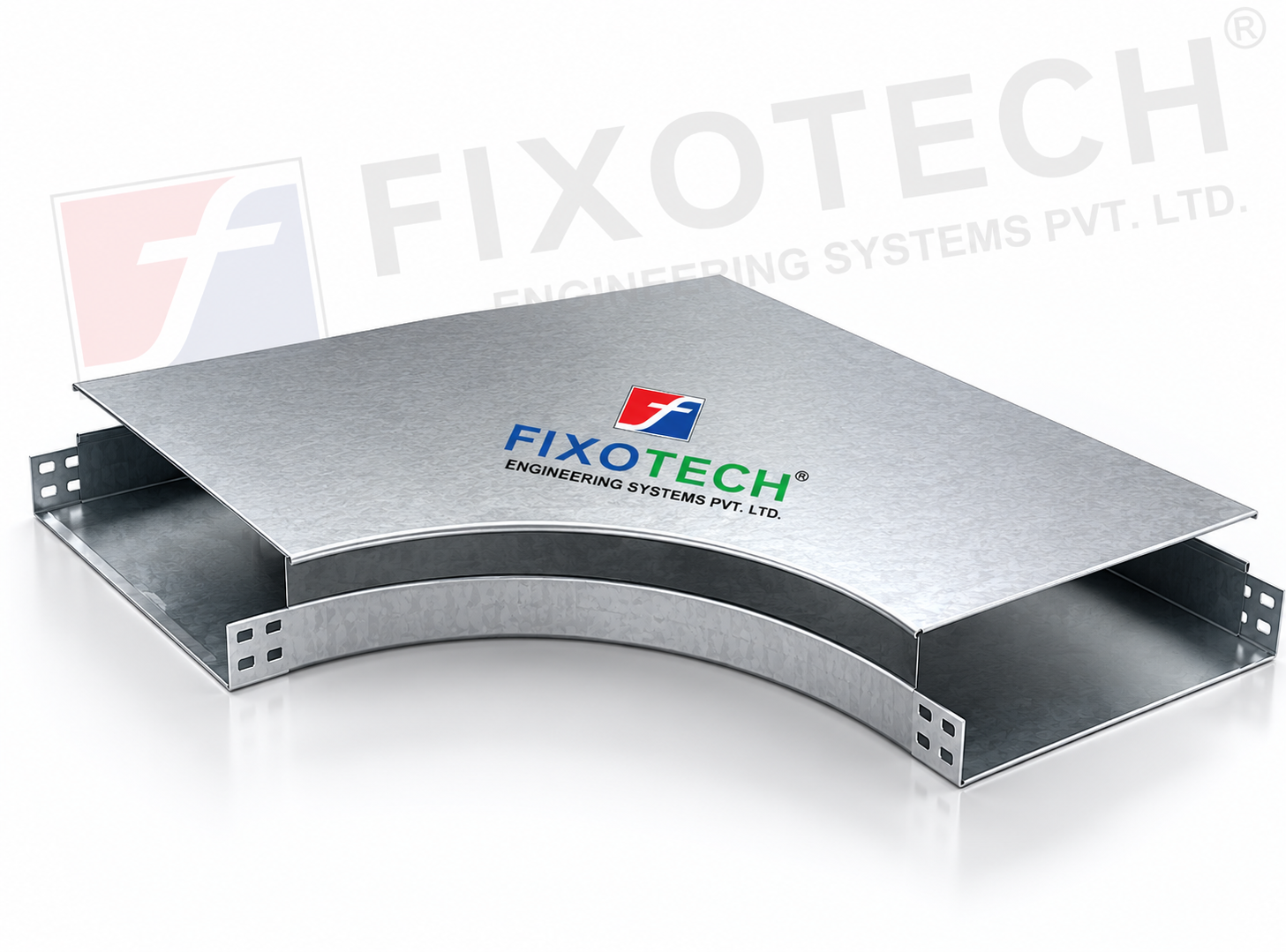 | RACEWAY CABLE TRAY - CEILING RACEWAY One part of a cable management system that helps with the seamless movement of cables around corners or horizontal bends is the Raceway Horizontal... View product → |