Kochi
08042755296
+919341960043

ladder cable tray

68179d65be22ee500d53ff54 Card 2

product image
LADDER CABLE TRAY

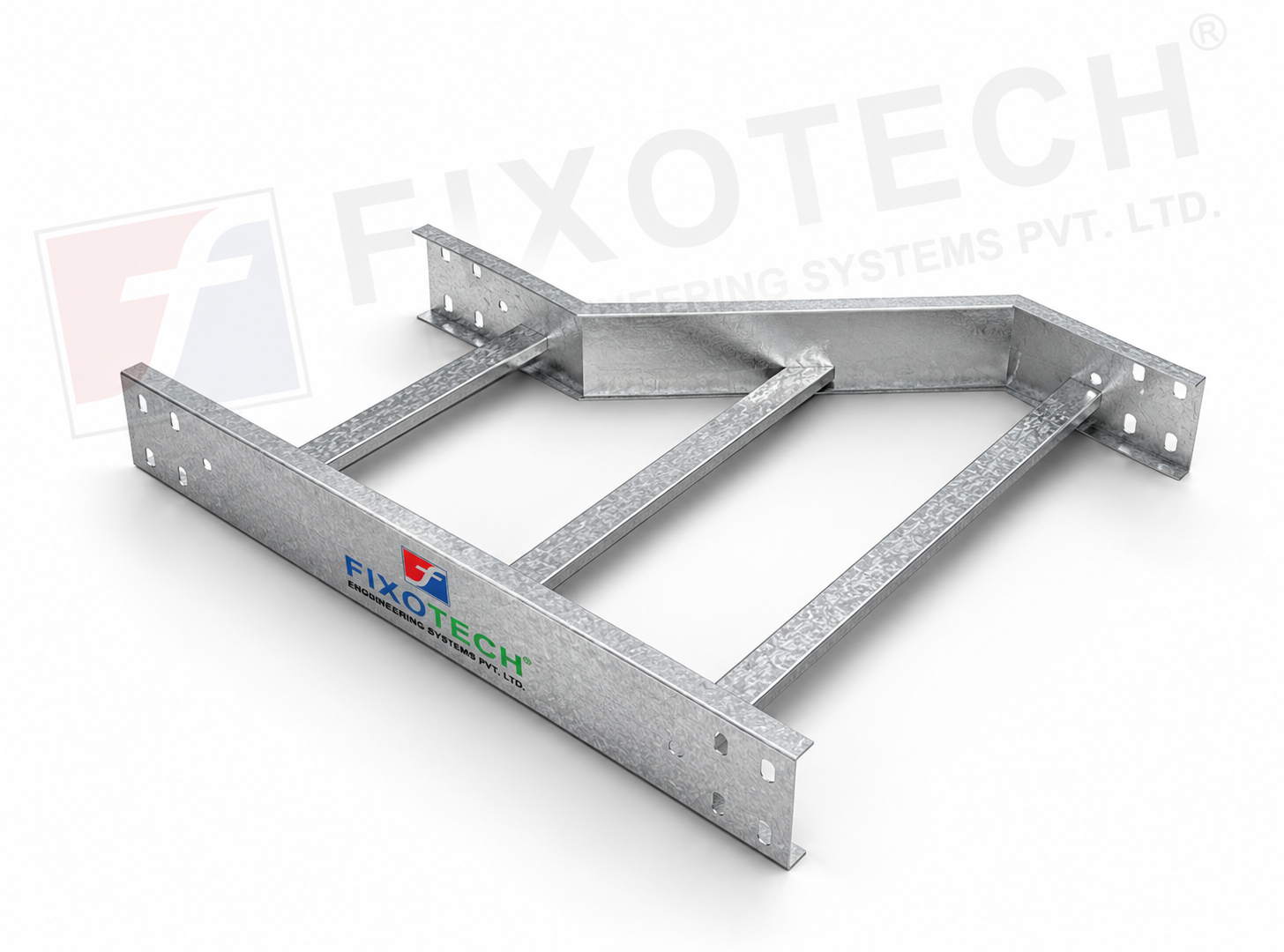
One particular kind of cable tray part made to make switching between cable trays of various widths or diameters easier is the reducer ladder cable tray. Here's a summary of its salient characteristics: Function : In a ladder cable tray system, a reducer's main job is to facilitate the seamless transfer of cables between sections of cable trays that have varying widths or diameters. It could be used, for instance, to join a narrower branch cable tray to a wider main cable tray or the other way around. Design : Sloped or tapered configurations that progressively alternate in width are common in reducer ladder cable trays. This eliminates the need for sudden changes that can damage cables or cause routing problems when guiding cables from the wider to the narrower part, or vice versa. Construction : Reducer trays, like other cable tray parts, are frequently made of metal, like steel or aluminum, and have a ladder-like construction made up of parallel rails or bars joined by rungs. The intended reduction in width is accomplished by integrating the tapered design into the structure. Versatility: Reducer ladder cable trays are adaptable and useful in a range of situations where cables must switch between different cable tray widths or diameters. They are frequently utilized in data centers, business buildings, industrial settings, and other establishments where cable management is crucial. Installation: Reducer trays need to be fitted at junctions where various cable tray portions converge, necessitating a width adjustment. Brackets, supports, or other mounting gear appropriate for the particular installation requirements can be used to mount them. Compatibility: Reducer trays are made to work with other cable tray parts and regular ladder cable trays. This makes it simple to integrate them into pre-existing cable management systems. For even more personalization, they might also work with add-ons like coverings, dividers, and fittings. In conclusion, reducer ladder cable trays are crucial parts of cable management systems because they allow cables to be supported and protected appropriately along their routing path and transition between cable trays of various widths or diameters with ease
68179d65be22ee500d53ff54 Card 2

product image
LADDER CABLE TRAY

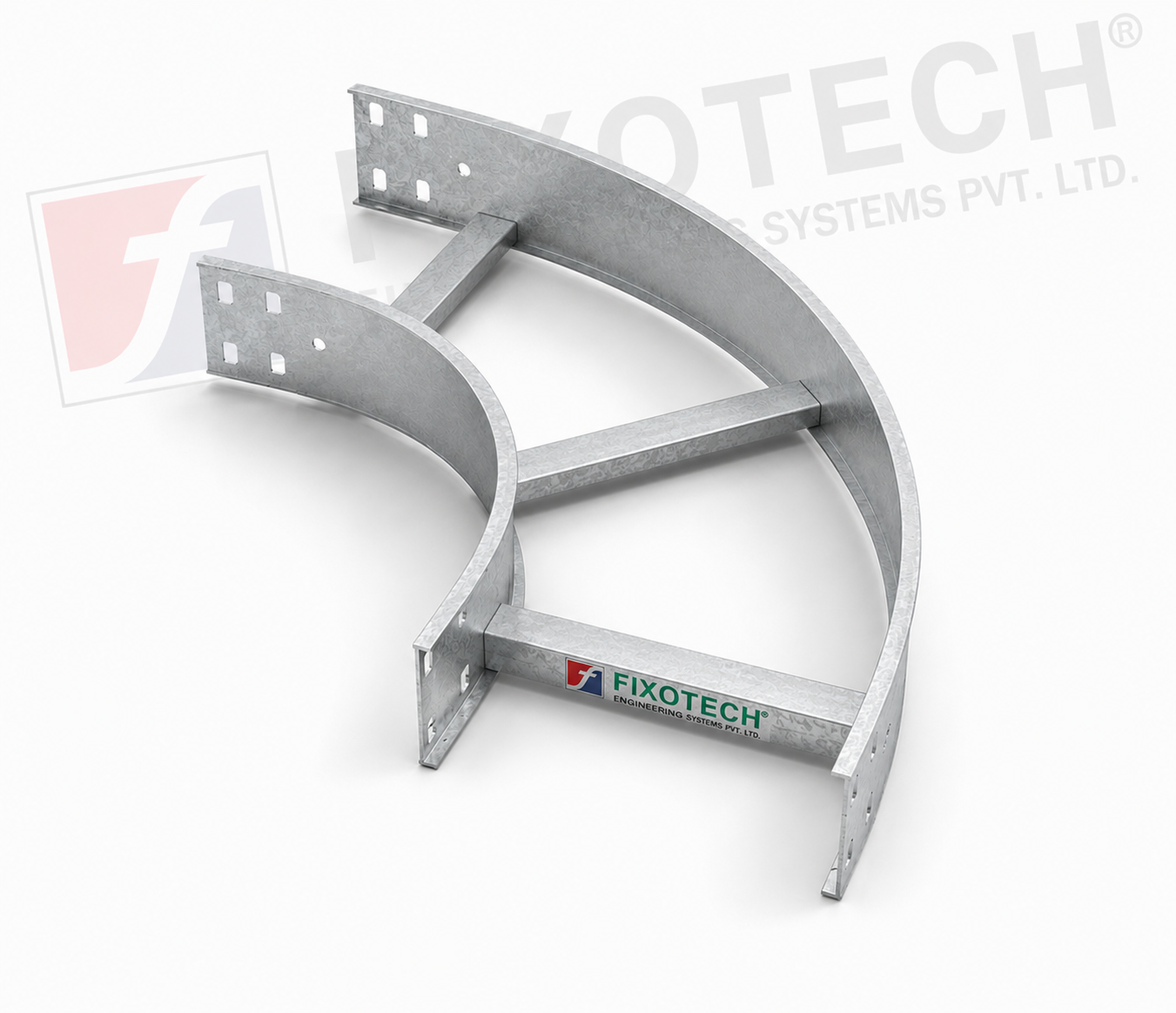
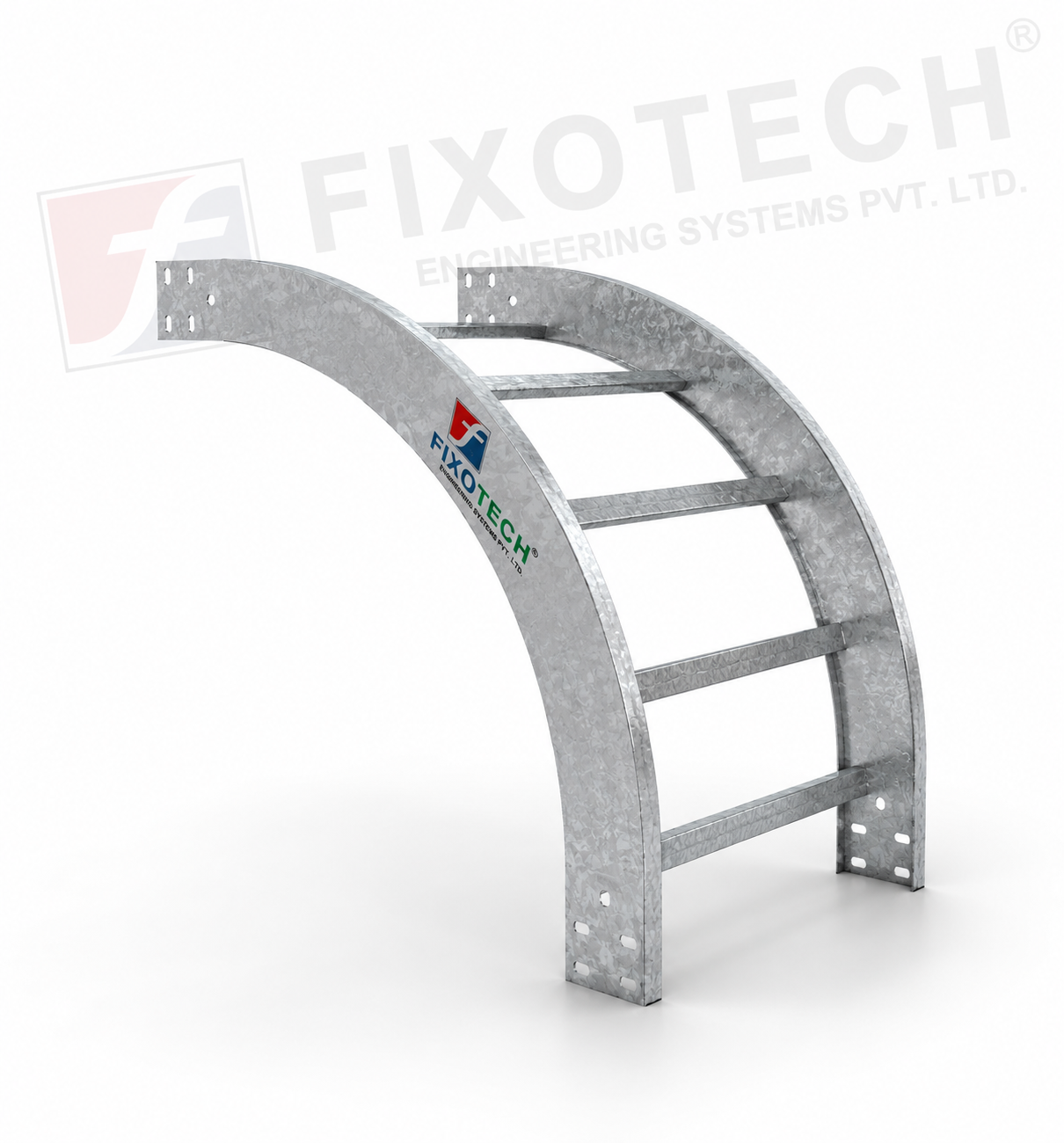
A particular kind of cable tray called a vertical bent ladder cable tray is made to make it easier to route wires in vertical cable management systems. This is usually the case when cables need to move between different vertical levels or floors. Here's a summary of its salient characteristics: Design : Like other cable trays, vertical bent ladder cable trays are made of parallel rails or bars joined by rungs to create a structure like a ladder. But because of their unique construction, they can easily accept bends in the vertical plane, which makes it possible for cables to move between levels. Bend Configuration: The tray's vertical bend portion is made to accommodate cables that switch from vertical to horizontal orientations or the other way around. In order to guide the wires around bends and corners without kinking or causing damage, this portion frequently has curved or angled sections. Versatility: When cables need to be routed vertically between multiple levels or floors of a building or structure, vertical bent ladder cable trays come in handy. They can be employed in a variety of applications. They are frequently utilized in data centers, business buildings, industrial settings, and other establishments where cable management is crucial. Installation: To make vertical cable routing easier, these cable trays are usually mounted along vertical surfaces like walls, columns, or support structures. Brackets, supports, or other mounting gear appropriate for vertical installations can be used to mount them. Compatibility: Complex cable routing configurations in vertical cable management systems can be created with vertical bend trays because, like other cable tray components, they are frequently compatible with additional tray sections, such as straight sections, tee bends, crosses, reducers, and other fittings. In order to effectively arrange and route cables between various vertical levels or floors, vertical bend ladder cable trays are essential. They not only contribute to the upkeep of a neat and efficient cable management system but also guarantee the appropriate support and protection of cables during their vertical journey.

68179d65be22ee500d53ff54 Card 2

product image
LADDER CABLE TRAY

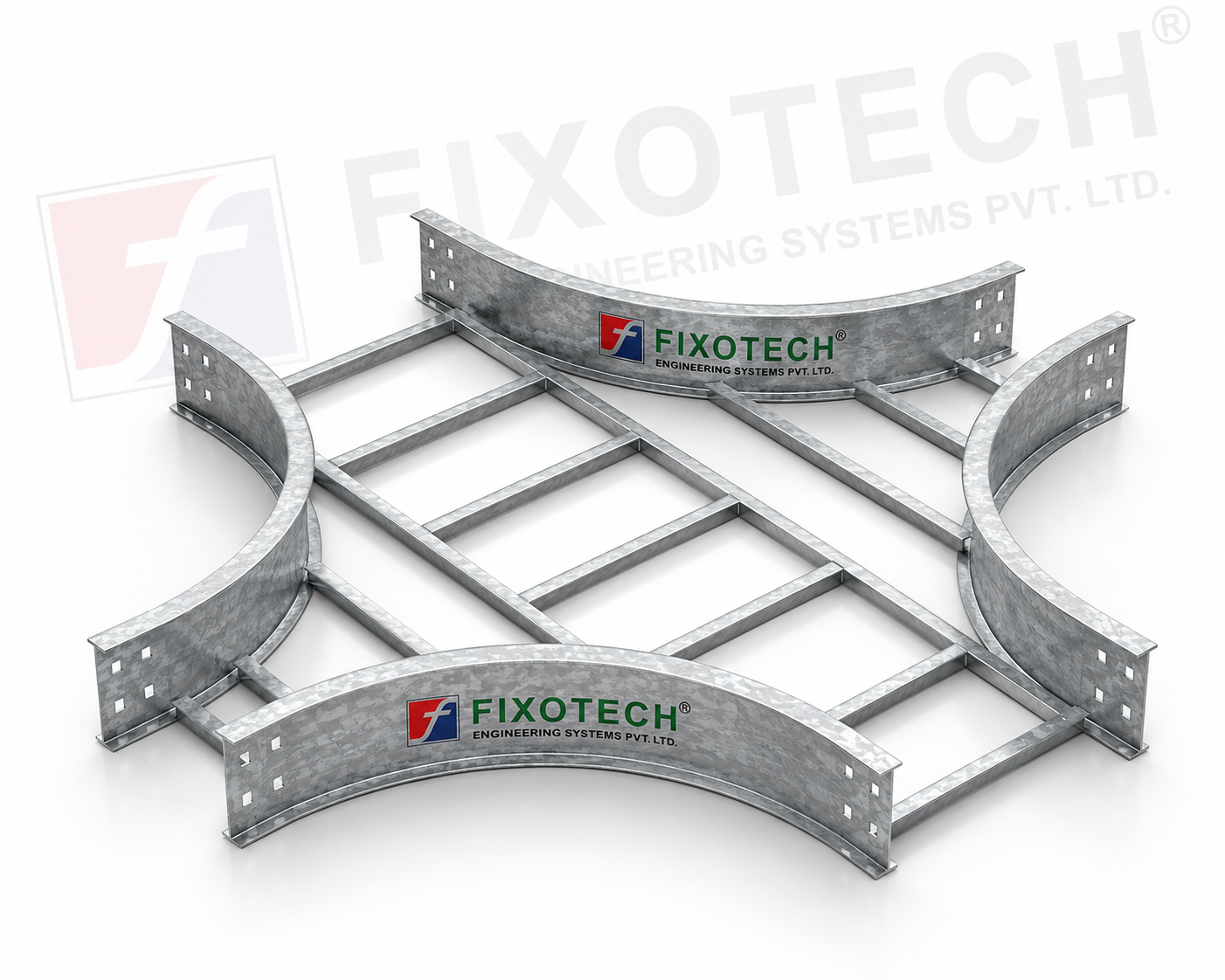
One particular kind of cable tray made to make it easier to route wires at cross junctions in horizontal cable management systems is the cross-bend ladder cable tray. Below is a summary of its salient features: Design: Cross bend ladder cable trays are usually made of metal, like steel or aluminium, and have a structure like a ladder made up of parallel rails or bars joined by rungs. They have a design at cross crossings that permits wires to flow through or change direction effortlessly. Cross Intersection Configuration: The tray's cross bend portion is made to accept wires that cross junctions and change directions. This portion frequently has curved or slanted parts that make it possible for cables to go smoothly between directions without kinking or breaking. Versatility: Cross bend ladder cable trays are adaptable and can be utilized in a range of settings where cables must pass through other cables or cable trays and be routed horizontally. They are frequently utilized in data centres, business buildings, industrial settings, and other establishments where cable management is crucial. Installation: Brackets, supports, or other mounting hardware can be used to mount these cable trays, which are normally positioned along walls or ceilings. In order to guarantee effective cable routing and accessibility, much thought should be given to the arrangement and orientation of the cross-bend sections. Compatibility: Similar to other parts of cable trays, cross bend trays can be used with straight sections, tee bends, reducers, and other parts of the tray to create intricate cable routing arrangements. In order to effectively organize and route wires at cross intersections, cross bend ladder cable trays are essential. They guarantee the correct support and protection of cables while also contributing to the upkeep of a neat and functioning cable management system.

68179d65be22ee500d53ff54 Card 2

product image
LADDER CABLE TRAY

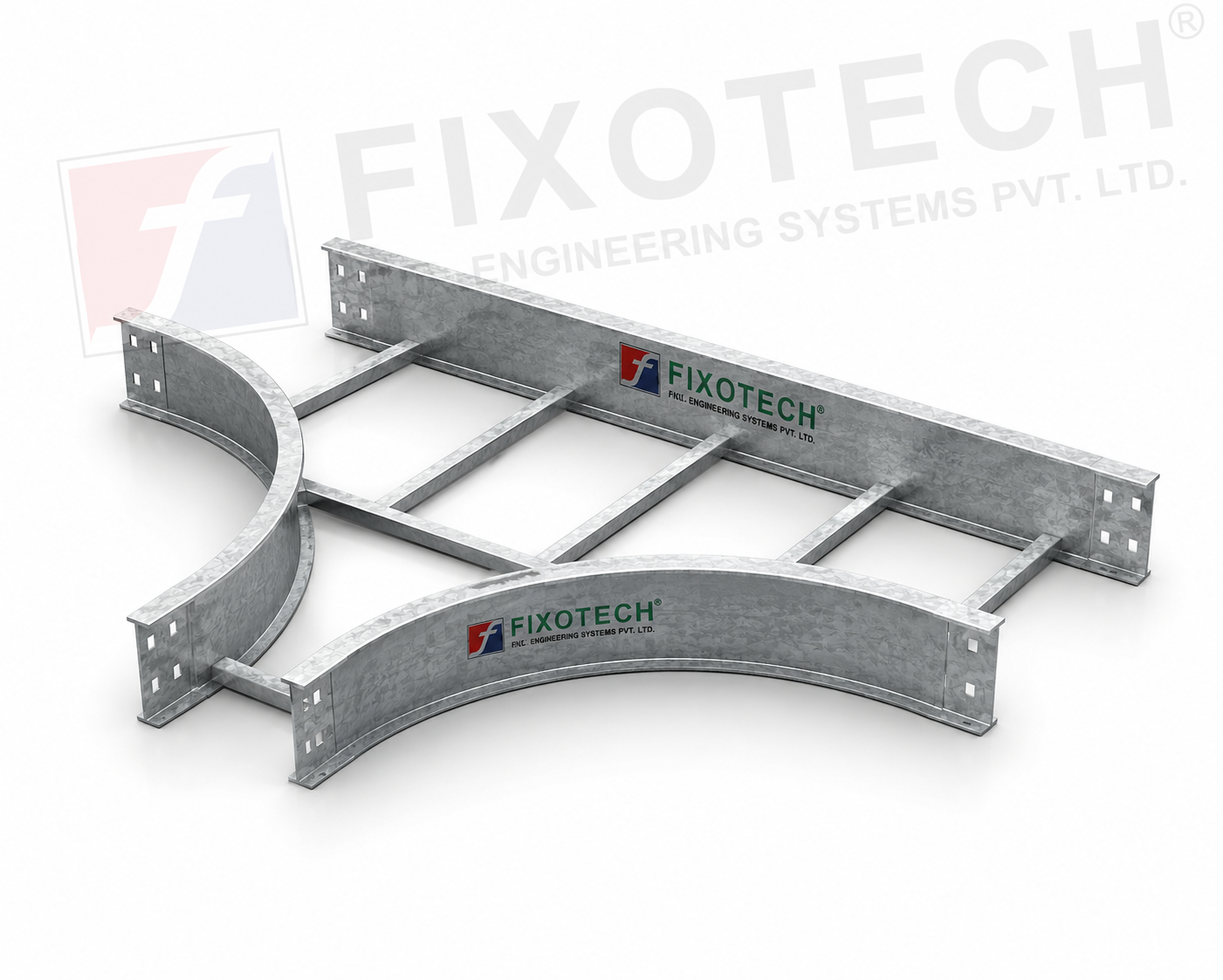
One particular kind of cable tray made to make it easier to route cables at T-junctions in horizontal cable management systems is the ladder tee bend cable tray. Here's a summary of its salient characteristics: Design: Ladder tee bend trays are usually made of metal, like steel or aluminium, just like other cable trays. They are made up of several parallel rails or bars joined by rungs to form a structure resembling a ladder. They do, however, have a tee-shaped arrangement at T-junctions. Tee Configuration: This arrangement enables cables to be routed horizontally along the main tray, with branches connecting to outlets, equipment, or other cable paths at the T-junction. Bend Radius: The tray's tee bend part is made with an angled or curved portion that makes it easy for cables to move from the main tray to the branch section. This prevents the cables from kinking or being damaged and guarantees appropriate cable support and routing. Versatility: When cables need to be routed horizontally and linked to equipment or other cable paths at T-junctions, ladder tee bend cable trays come in a variety of useful applications. They are frequently utilized in data centres, business buildings, industrial settings, and other establishments where cable management is crucial. Installation: Brackets, supports, or other mounting hardware can be used to mount ladder tee bend cable trays, which are normally placed along walls or ceilings. The location and orientation of the tee bends need to be carefully considered in order to provide both accessibility and effective cable routing. Compatibility : Similar to other cable tray parts, ladder tee bend trays can be used with additional tray sections, including reducers, straight sections, crosses, and other fittings, to create intricate cable routing arrangements. In order to keep a clean and well-functioning cable management system, ladder tee bend cable trays are essential for effectively organizing and routing cables at T-junctions.

68179d65be22ee500d53ff54 Card 2

product image
LADDER CABLE TRAY

The purpose of a horizontal ladder bend cable tray is to make it easier for cables to be routed around bends or corners in horizontal cable management systems. The following are some of the main features and attributes of horizontal ladder bend cable trays: Construction: Similar to other cable trays, horizontal ladder bend trays are usually made of metal, like steel or aluminum. They are made up of a number of parallel rails or bars connected by rungs, creating a structure resembling a ladder. Bend Radius: Horizontal ladder bend cable trays are specifically designed to accommodate bends in the cable routing path. They feature a curved section that lets cables transition around bends without kinking or harm. Flexibility Because of their adaptability, these trays can be employed in a variety of situations where wires need to be routed around obstructions and horizontally. They are often utilized in industrial settings, commercial buildings, data centres, and other locations where cable management is vital. Installation : Brackets, supports, or other mounting hardware can be used to mount horizontal ladder bend cable trays, which are normally positioned along walls or ceilings. To guarantee appropriate cable support and routing, the bend radius needs to be carefully chosen depending on the particular requirements of the cable installation. Compatibility : They can be used to create intricate cable routing configurations since they are frequently compatible with other components of cable trays, including straight sections, tees, crosses, and reducers. In order to keep a neat and functioning cable management system, horizontal ladder bend cable trays are essential for the effective and structured routing of wires around corners and other obstacles.

68179d65be22ee500d53ff54 Card 2

product image
LADDER CABLE TRAY

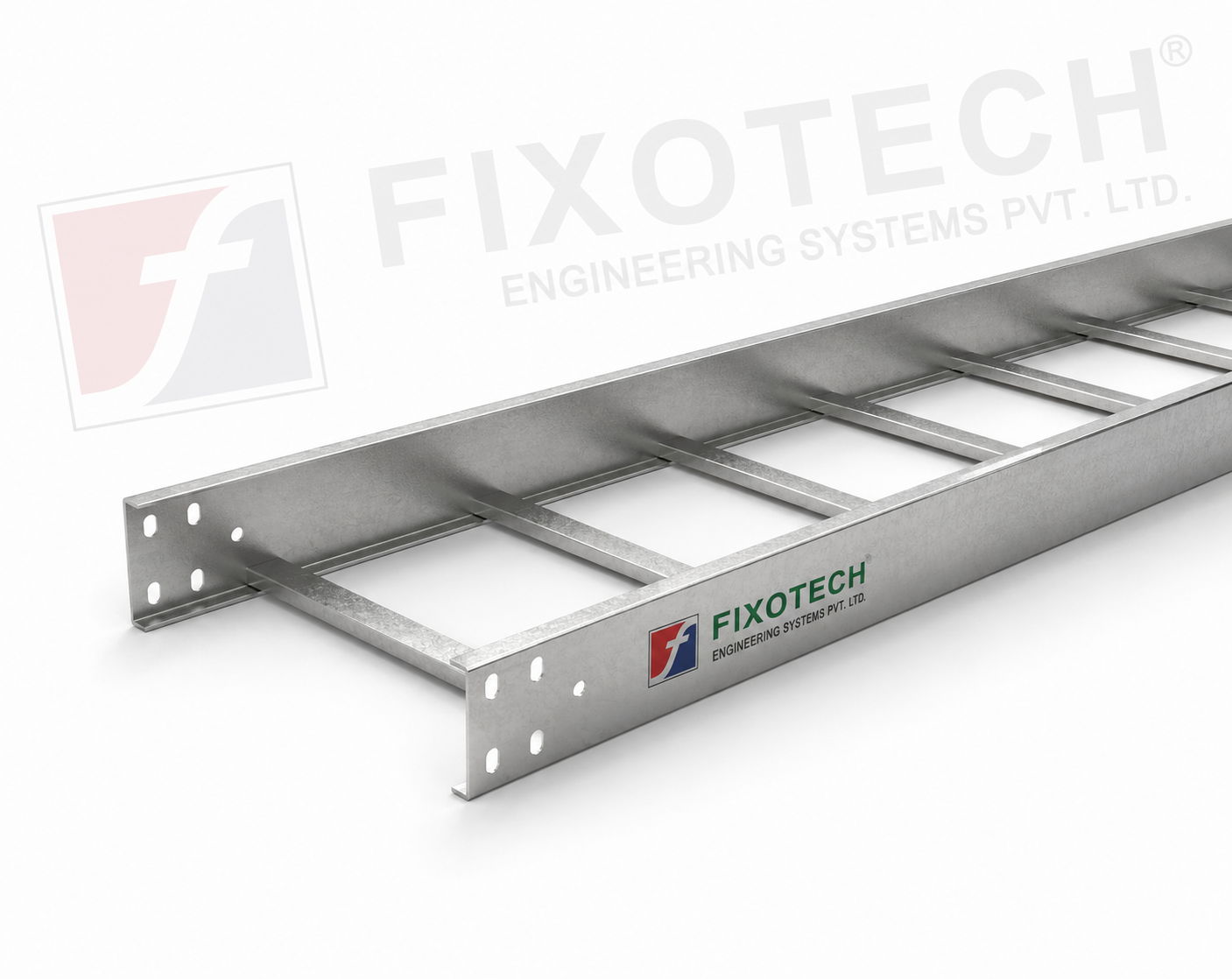
Other common name in Cable tray industry is ladder tray. Simple design consisting of side rails with rungs connected. The rungs are perforated, which makes it easy to fasten cable ties or cable cleats directly onto the ladder. Suited for electrical, instrumentation and telecommunications cables. Ladder cable trays are made of either welded or bolted construction, depending on how the tray's constituent parts are fastened together. Welded Ladder Cable Tray: Usually, the side rails and rungs of welded ladder cable trays are welded together at their junction places. This eliminates the need for additional fasteners or connectors and produces a strong, long-lasting framework. In heavy-duty industrial applications where additional strength and stability are needed, welded trays are frequently the favoured option. Bolt able Ladder Cable Tray: In contrast, bolts, nuts, and washers are needed to assemble bolt able ladder cable trays. Every part of the tray, including the rungs, rails, and any extra fittings, is made with pre-drilled holes at key locations. These holes give installation flexibility and enable necessary alterations or modifications by facilitating the easy connection of the components utilizing bolts and screws. However, the accessories Eg. Bends etc., for bolt able type tray also will be welded. Depends upon customer requirement number of cross rungs can be increased the most running specifications are with rungs spaced at 300 c/c at equal distance. Each type of ladder cable tray—welded or bolt able—has advantages of its own and is selected according to project parameters, installer preferences, installation constraints, and the environment in which the trays will be utilized.

Subcategory Tags

Phone Number

08042755296

Please keep 0 before dialling the number.

Email Address sales@fixotech.in

Mon-Thu: 10 AM - 2 PM • Fri: 3 PM - 7AM

Other Website Visit our other website
Address FIXOTECH ENGINEERING SYSTEMS PVT. LTD, NAKSHATRA BUILDING,63/2411 A, KARITHALA ROAD, NEAR KARSHAKA ROAD, COCHIN

Kochi, India, 682018