Start with the building conditions and cable schedule, not the tray width in a quotation. By checking access, capacity, cable separation, structural support, corrosion exposure and fire protection, you can decide whether an enclosed ceiling raceway fits your project or whether another wiring method is safer and easier to maintain.
Key takeaways
- Use a raceway for protected, controlled overhead cable routing.
- Choose open tray for visibility and easier inspection.
- Size from cable fill, bend radius and future capacity.
- Specify segregation, supports, clearances and route dimensions before pricing.
Run the project-level suitability test before choosing a raceway
Choose a ceiling raceway only when the project needs a defined overhead route, controlled access, and protection beyond what an open tray or individual conduits provide. Confirm the method with the project authority before comparing products; a raceway is an enclosed channel, while a cable tray leaves cables visible for inspection.
Run this suitability test:
- Use a ceiling raceway when cable quantity is moderate, routes are orderly, branch points are limited, and the ceiling height makes wall-mounted containment impractical.
- Reject it when frequent cable additions, dense power-and-data routes, or regular visual inspection favour an open tray.
- Check whether the route is visible below the ceiling, concealed above a false ceiling, or suspended beneath the structural slab. These arrangements need different covers, access panels, supports, and fire-stopping details.
- Confirm the fire strategy at every wall and floor penetration; an enclosed channel does not replace a tested firestop system.
- Record chloride exposure, humidity, monsoon wetting, and maintenance access before ceiling raceway selection in Kochi. “Galvanized” alone does not define corrosion performance.
| Option | Best fit | Wrong choice when |
|---|---|---|
| Enclosed raceway | Protected, orderly routes with controlled access | Frequent inspection or rapid additions are expected |
| Perforated tray | Visible cables, ventilation, and easy maintenance | Impact, contamination, or concealment is required |
| Conduit | Small, segregated circuits and tight routes | Many cables or numerous branches make pulling difficult |
| Suspended service support | Large overhead routes below the slab | The installer plans to hang it from the false-ceiling grid |
Never attach the raceway to ceiling-grid wires. Anchor supports to the building structure and verify cable load, access, and future spare capacity before approval.
Choose between an enclosed raceway, open tray, conduit and suspended support
Choose the enclosure by cable exposure, access frequency and the next alteration you expect. An enclosed raceway protects wiring from dust, impact and unauthorised contact, but covers slow inspection and require accessible joints, fire stopping at barriers and removable lids.
Open tray exposes cables for quick checks and additions, while conduit gives the strongest mechanical protection but makes replacements and fault tracing harder.
| Option | Cable environment | Inspection and future maintenance |
|---|---|---|
| Enclosed raceway | Clean, protected interiors where appearance, touch protection or fire separation matters | Open lids at planned access points; leave room for new circuits |
| Open tray: perforated, ladder or mesh | Larger cable groups needing cooling, visual inspection and frequent additions | Best for visible routes; use covers where falling objects or contamination threaten cables |
| Conduit | Individual runs, exposed impact zones, wet areas or routes needing tight containment | Pull boxes and draw wires into the design; long bends make future pulling difficult |
| Suspended support | Short, open service routes below the structural slab | Supports cables on cleats or tray sections; never attach the load to a suspended-ceiling grid |
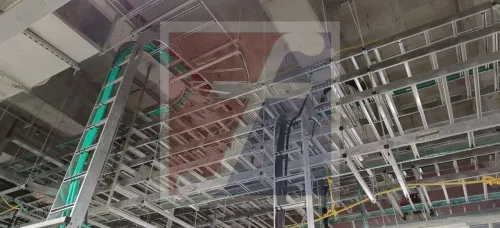
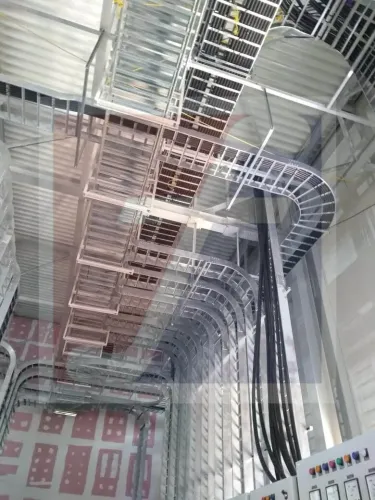
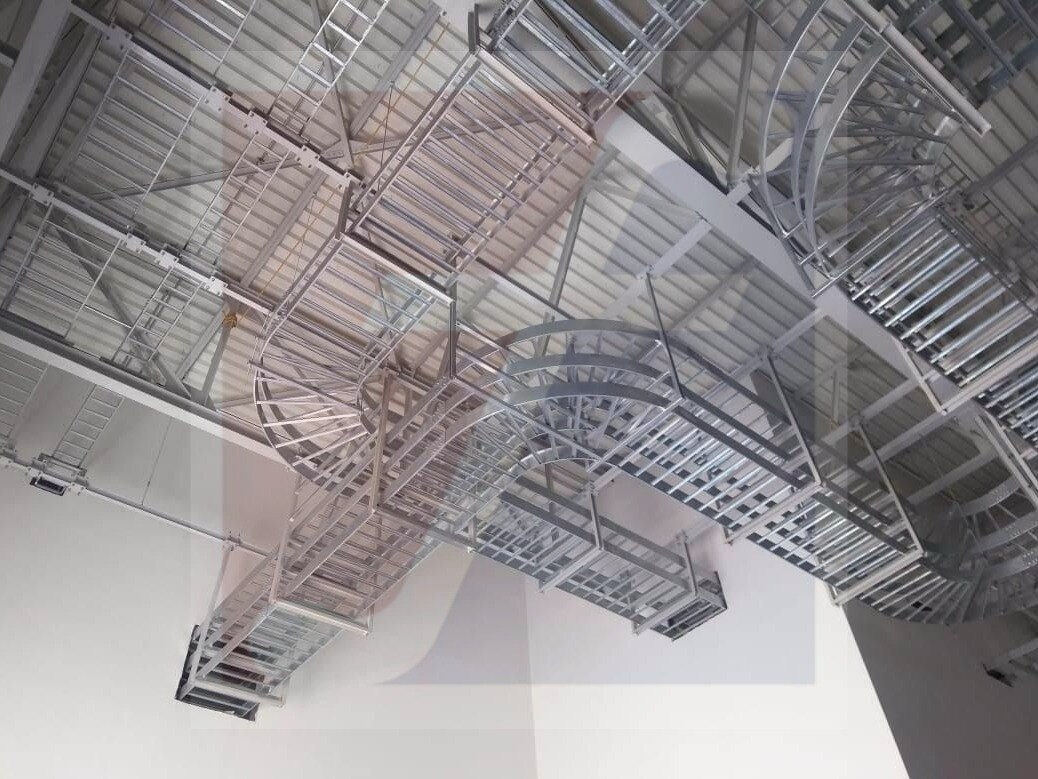
A visible surface-mounted route suits regular inspection. A concealed raceway above a false ceiling looks cleaner but needs removable panels and access zones; otherwise one failed cable turns into demolition. A tray suspended below the slab also needs independent anchors and threaded rods sized for cable, tray, installation and vibration loads.
For a ceiling raceway cable tray in kochi, record whether the location is sheltered, humid, chloride-exposed or impact-prone before selecting the finish.
Size the system from cable dimensions, fill and bending space
Confirm physical fit from the cable schedule, not the raceway’s nominal width. Record each cable’s outside diameter, quantity, weight per metre, minimum bending radius and planned future additions, then calculate occupied area under the governing code. NEC Article 392.22 has separate cable-tray rules; do not apply a conduit fill shortcut to every installation.
Use this sizing check:
- Measure the raceway’s internal width and depth after deducting side rails, covers, dividers and fittings.
- Compare the resulting usable area with the calculated present cable area plus the specified spare capacity. Keep power, control and data cables in separate compartments where the design requires segregation.
- Check the largest cable’s minimum bending radius at every elbow, tee, reducer and vertical transition. A 300 mm-wide tray can still fail if its fittings force a tighter turn.
- Verify the cover leaves room for cable height, divider height and installation access. A cover that presses on cables creates damage during pulling and maintenance.
- Convert the cable schedule into total kilograms per metre, add the raceway and cover weight, and check that support spacing, anchors and threaded rods carry the combined load.
Ask an overhead raceway tray manufacturer for inside usable dimensions, bend-radius compatibility, divider details, accessory geometry and rated load tables. Confirm present and future routes on the layout, including branch fittings and vertical drops; otherwise a seemingly adequate straight length can become unusable at the first bend.
Check segregation, structural support and installation clearances
Prevent cable damage and support failure by treating the ceiling route as an engineered installation, not a suspended decoration. Attach tray or raceway supports to the structural slab or approved beams; never hang them from suspended-ceiling grid wires.
Select anchors and threaded rods for the combined dead load, cable weight, installation load, vibration and seismic demand.
Separate power, control, instrumentation and data circuits. Use separate trays, dividers or the specified spacing around motor feeders and variable-frequency-drive cables; an oversized undivided tray does not control electromagnetic interference. A covered raceway also restricts heat dissipation, so verify cable ampacity for the selected enclosure.
Before approval, require these installation checks:
- Confirm support spacing, anchor capacity and the calculated load at every support, including bends and concentrated cable groups.
- Check internal bend-radius space at elbows, tees and risers; a tight turn can exceed the cable’s minimum radius and damage insulation or shielding.
- Maintain the manufacturer’s cover-opening, access and clearance dimensions from slabs, beams, ducts, lights and other services.
- Specify spare route capacity so added cables do not crush existing circuits or force a second unsupported route.
- Identify metallic-joint bonding, bonding jumpers and the protective conductor. Do not assume paint, powder coating or loose splice joints provide an earth path.
- Coordinate firestop locations and inspection access before closing a false ceiling.
Ask a ceiling cable raceway supplier for the segregation drawing, support-spacing and load calculation, bend-radius check, bonding detail and accessory schedule—not only a per-metre price.
Turn the decision into a specification a Kochi manufacturer can price
Request a complete technical submittal, not a per-metre rate. A buyer searching cable trays manufacturer ceiling raceway for my project in kochi needs a quotation that exposes supports, bends, covers, bonding jumpers, firestop materials and installation access.
1. Approved layout: show route length, ceiling level, access panels, branch points, penetrations and fire-rated wall or floor crossings.
2. Cable schedule: state cable type, outside diameter, quantity, weight per metre, voltage, future allowance and required bend radius.
3. Fill and loading calculation: show occupied area, usable internal dimensions, total cable weight, support spacing and spare capacity. Do not accept tray width alone.
4. Segregation drawing: identify power, control, instrumentation and data routes, with dividers, separate channels or specified spacing around motor feeders and variable-frequency drives.
5. Structural calculation: show independently anchored supports, threaded-rod sizes, anchor details and combined dead, cable, installation, vibration and seismic loads. Never suspend the system from false-ceiling grid wires.
6. Material and corrosion specification: name the coating or grade, ISO 12944 exposure classification, chloride conditions, finish and maintenance interval.
7. Accessory schedule: list horizontal bends, cross bends, tees, reducers, covers, couplers, bonding jumpers, earth connections and firestop systems.
8. Inspection criteria: define dimensional checks, coating inspection, continuity testing, torque records, cable clearance and as-built drawings.
Fixotech Engineering Systems Pvt Ltd should mark each assumption and exclusion against these documents before pricing, so the comparison is between complete packages rather than incomplete tray rates.
Related products
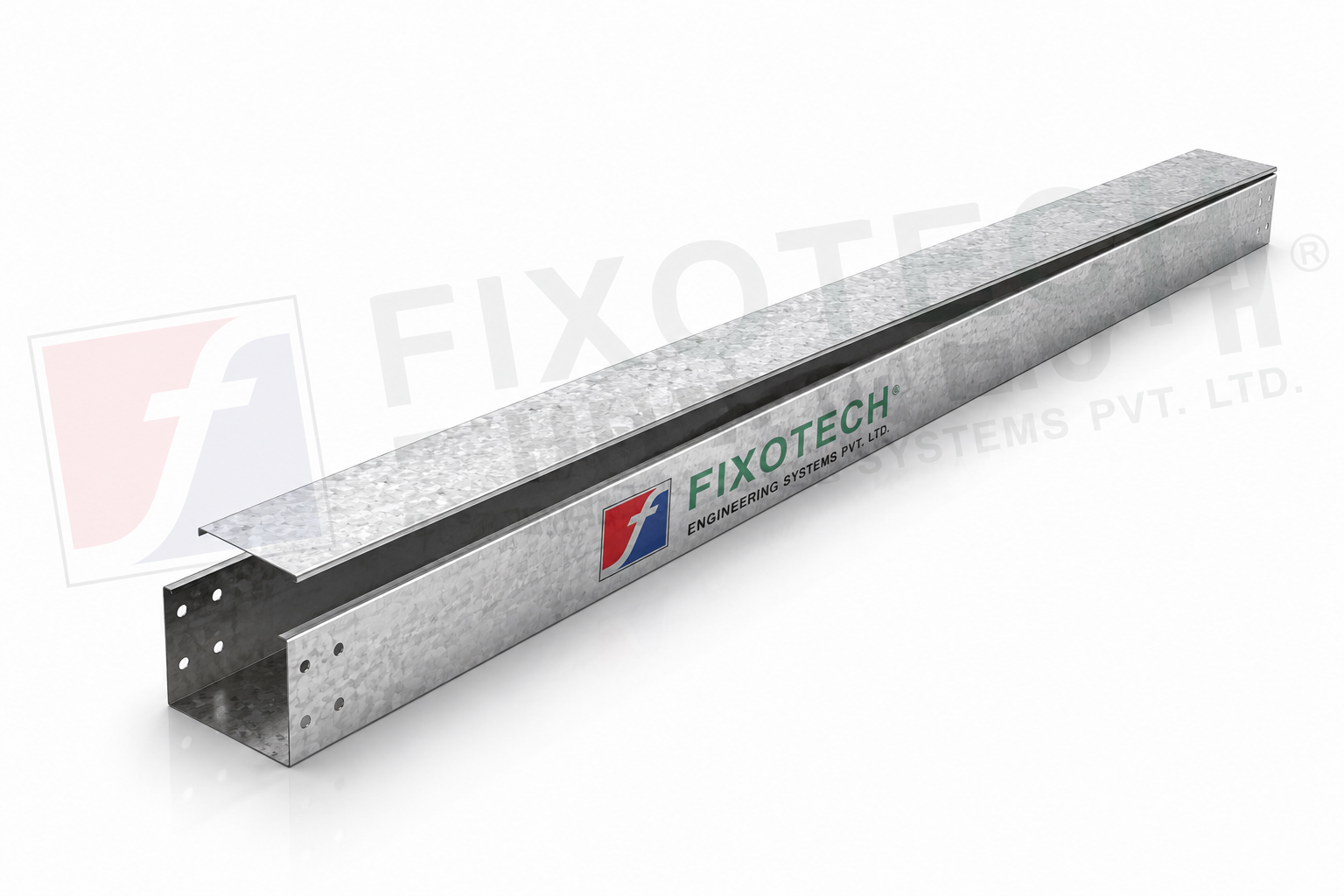 | RACEWAY CABLE TRAY - CEILING RACEWAY RACEWAY CABLE TRAY - CEILING RACEWAY A cable management system made especially for routing and arranging cables over ceilings or overhead spaces is called a ceiling raceway cable tray. View product → |
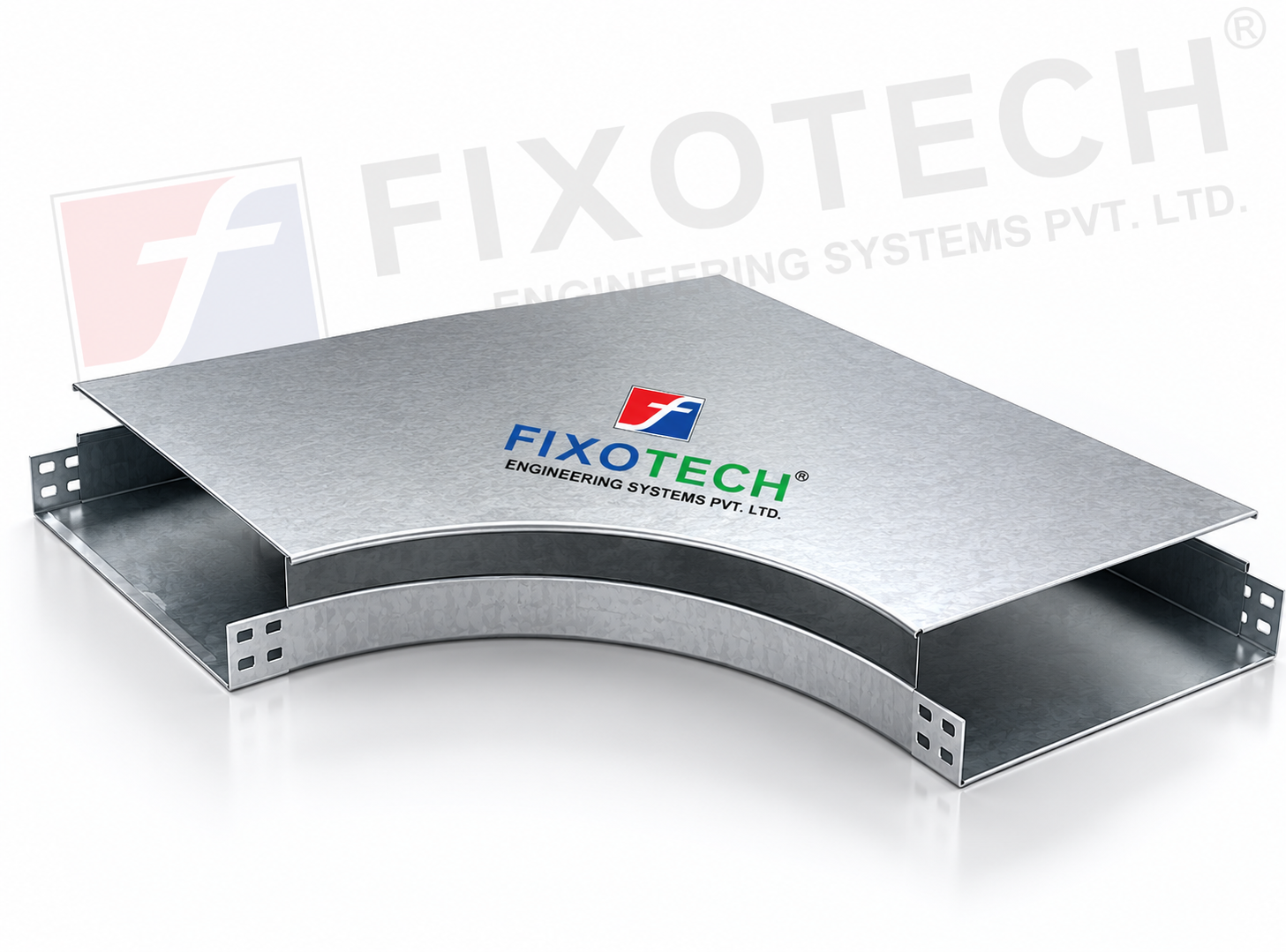 | RACEWAY CABLE TRAY - CEILING RACEWAY One part of a cable management system that helps with the seamless movement of cables around corners or horizontal bends is the Raceway Horizontal... View product → |
Frequently asked questions
When is a ceiling raceway suitable for a project?
Choose it when you need a defined overhead route, controlled access and more protection than an open tray or individual conduits provide.
How does an enclosed raceway compare with tray, conduit and suspended support?
An enclosed raceway conceals and protects cables; open tray improves visibility, conduit protects individual routes, and suspended supports hold cables without forming a continuous enclosure.
How do you size a ceiling raceway?
Measure cable outside diameters, calculate fill, allow spare capacity and preserve each cable’s minimum bending space at turns and terminations.
What must a ceiling raceway specification include?
State dimensions, material, finish, cable segregation, load, support spacing, access requirements, bending clearances and installation constraints for accurate pricing.
Related products
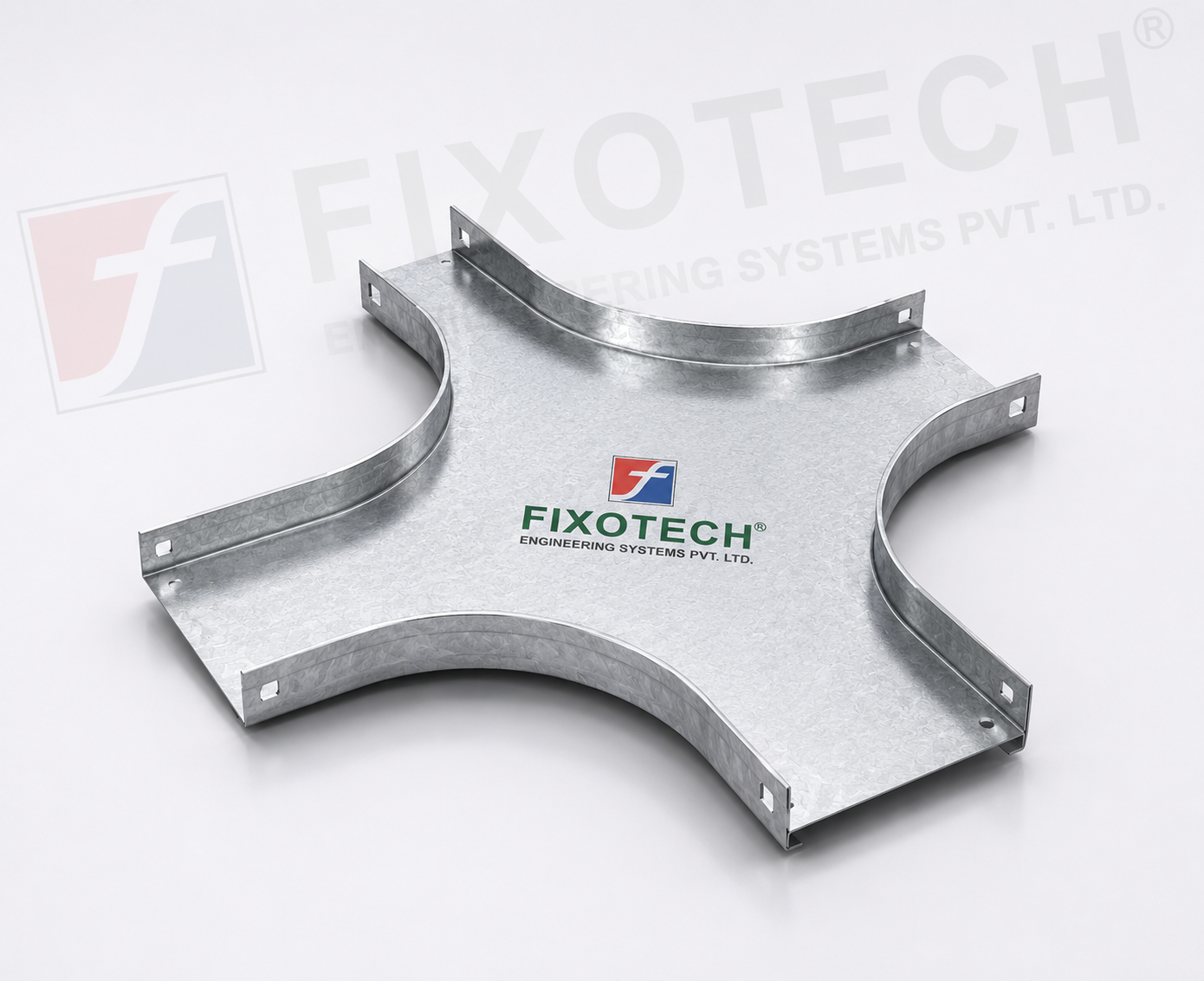 | RACEWAY CABLE TRAY - CEILING RACEWAY One part of a cable management system that helps with the seamless transfer of cables at cross intersections or junctions in a raceway system is the... View product → |
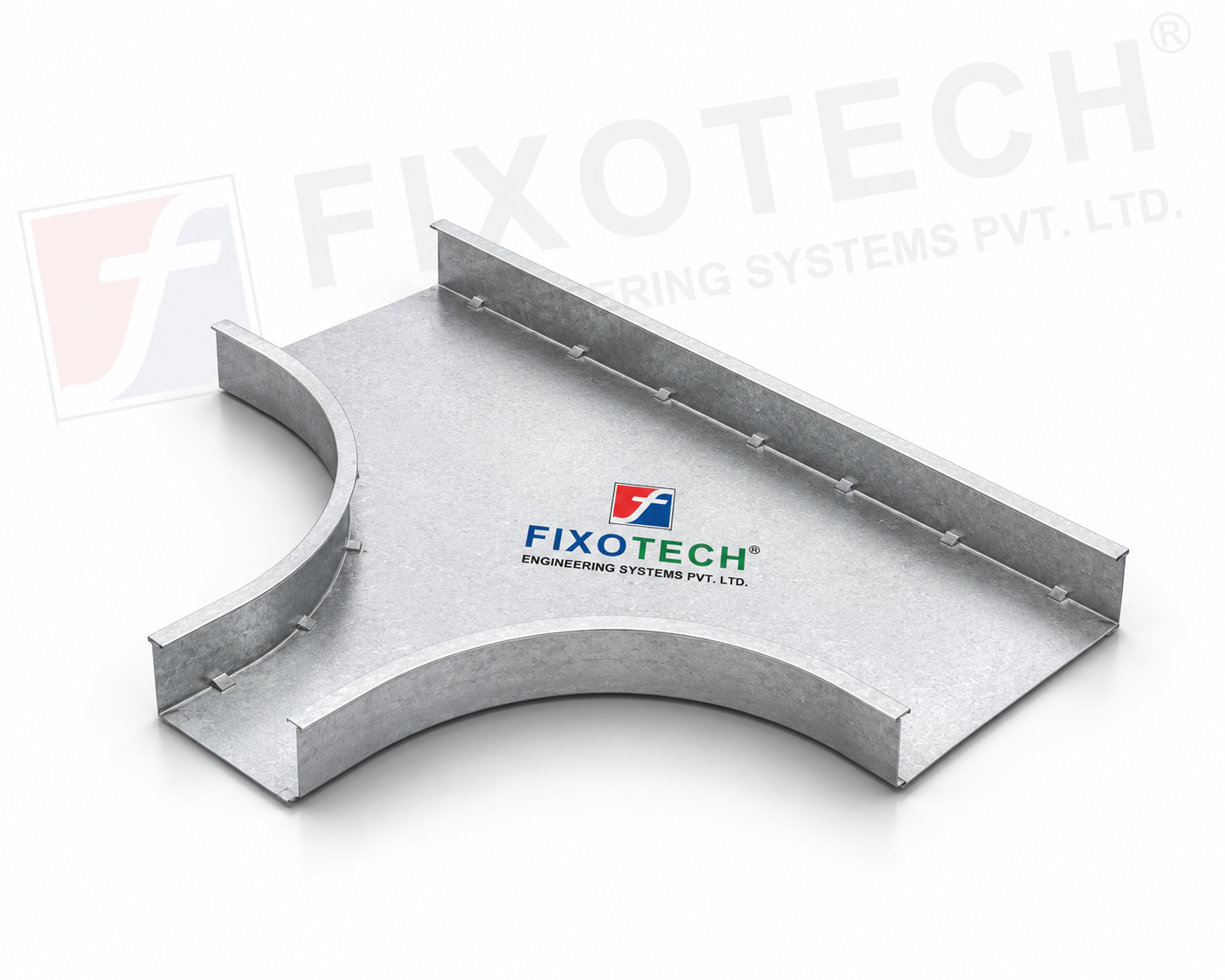 | RACEWAY CABLE TRAY - CEILING RACEWAY One particular part of a cable management system made to help with the seamless transition of cables at intersections or T-junctions in a raceway... View product → |
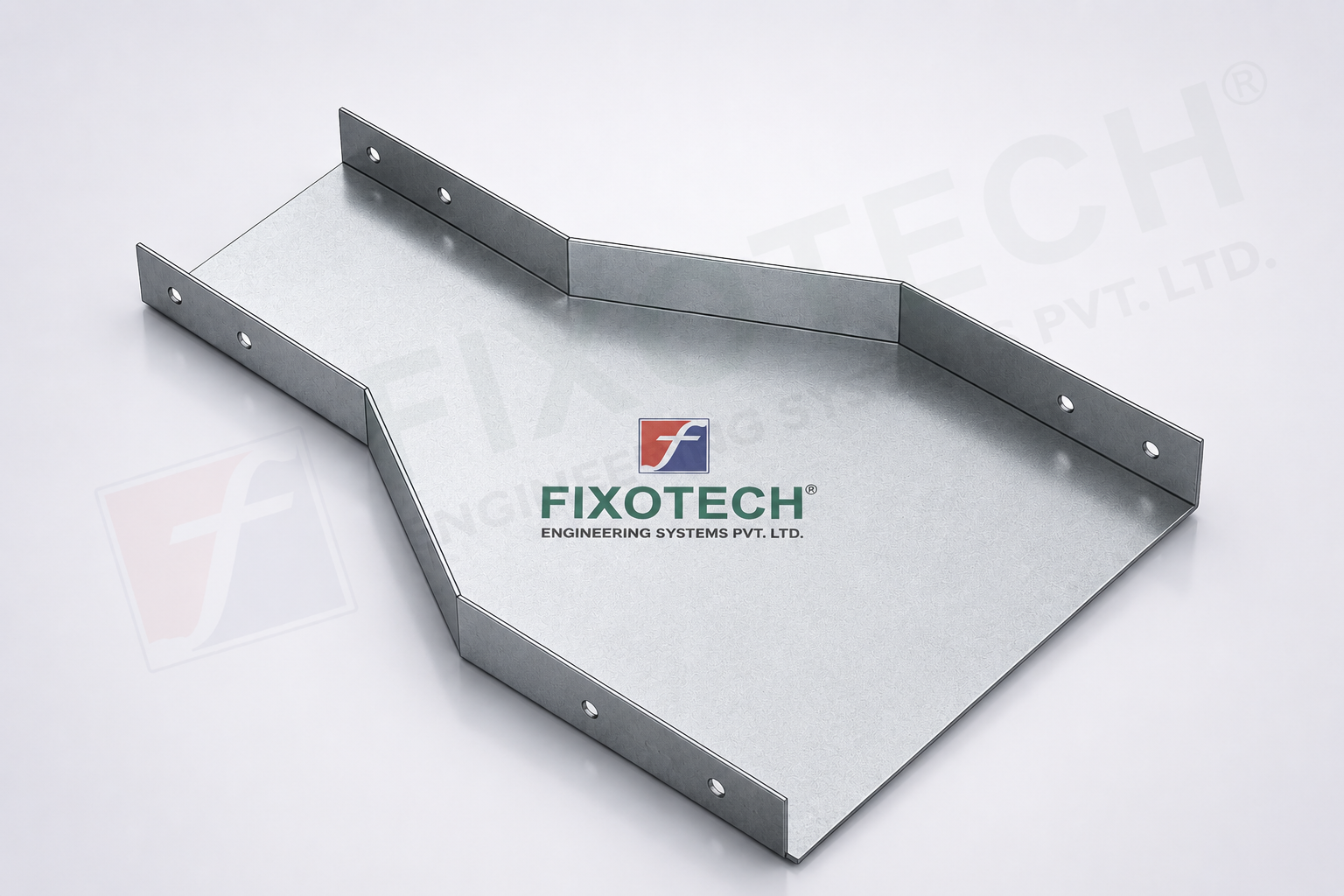 | RACEWAY CABLE TRAY - CEILING RACEWAY REDUCER To move between raceway sections of various widths or capacities, cable management systems use reducer raceway cable trays. |
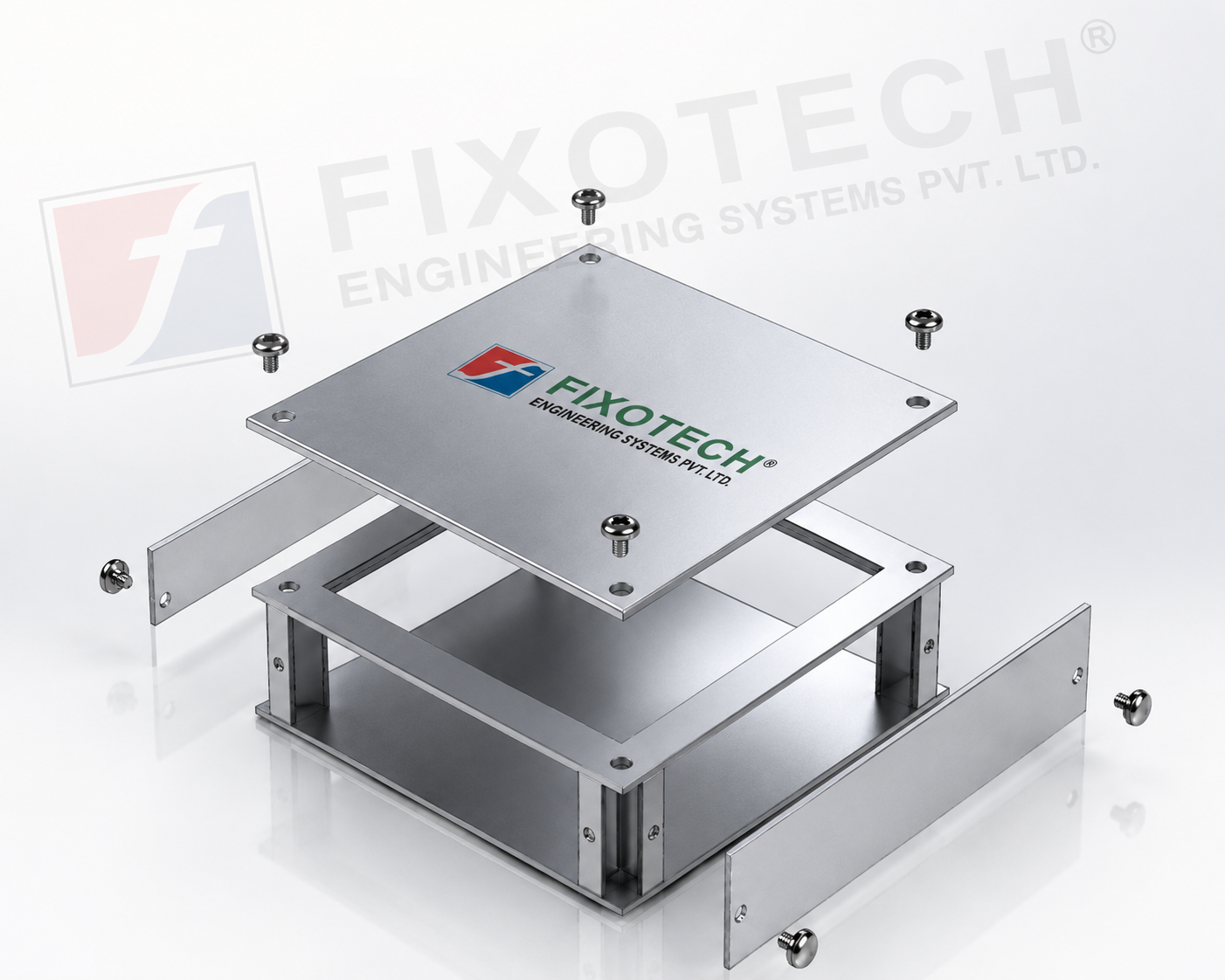 | JUNCTION BOX FOR RACEWAY Within a cable management system, a junction box for a raceway cable tray is a specialized enclosure that makes it easier to branch or terminate... View product → |