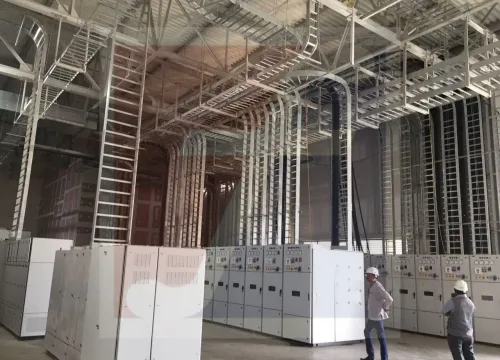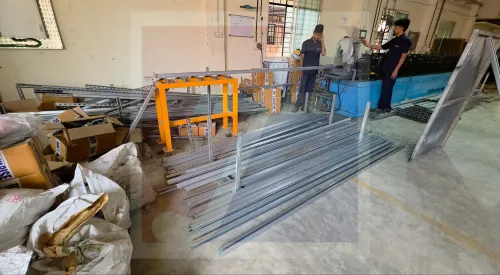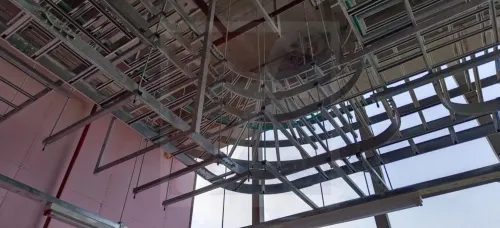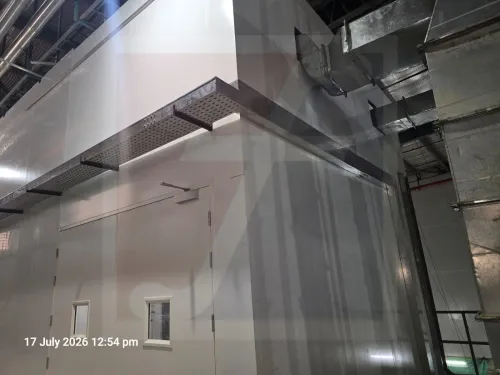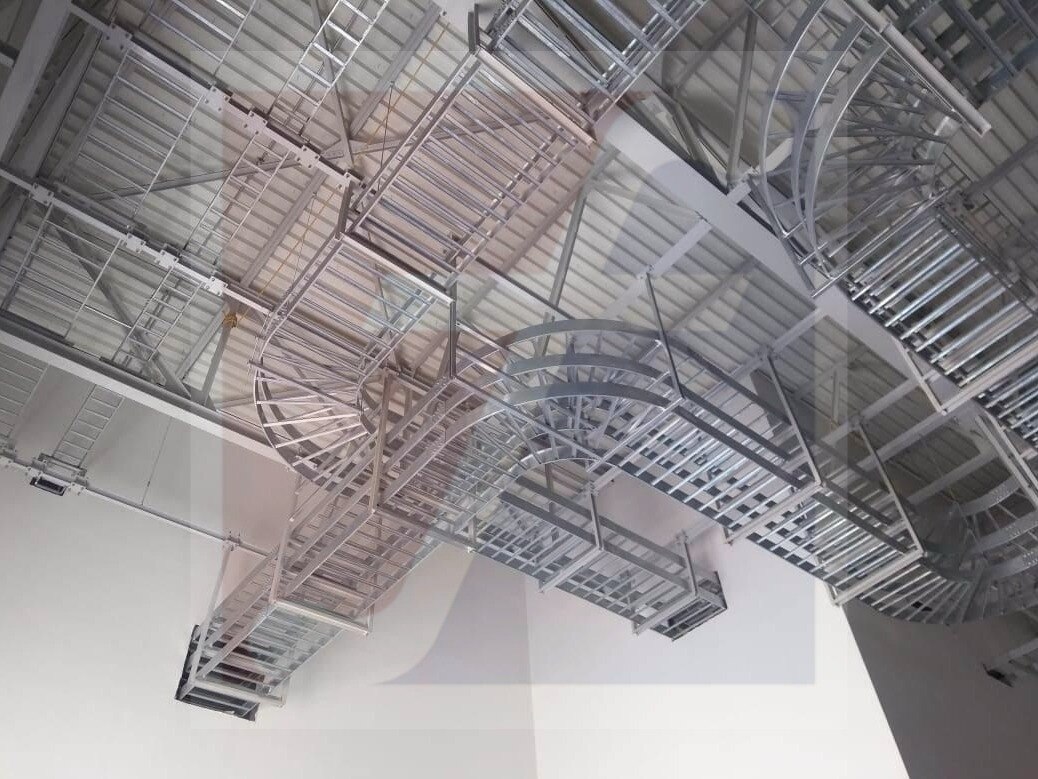
A ceiling raceway can keep industrial cables accessible and orderly, but an enclosed channel is not automatically suitable for every plant zone. By the end, you will be able to match the raceway type, material, capacity, support method and evidence package to Chennai’s heat, moisture, dust, corrosion and maintenance conditions.
Key takeaways
- Reject ceiling raceways in exposed, wet, dusty, or inaccessible routes.
- Compare raceway capacity, access, protection, heat dissipation, and installation effort.
- Size for cable fill, bending space, heat, and planned future circuits.
- Demand drawings, load data, material specifications, test reports, and reference installations.
When does a ceiling raceway suit a Chennai industrial zone?
A ceiling raceway suits Chennai industrial facilities when cables run above an accessible production or service area that stays relatively dry, protected from impact, and reachable for inspection. Assess ceiling raceway suitability against ambient temperature, humidity and monsoon moisture, dust, wash-down, vibration, chemical vapour, salt exposure, and whether the route is outdoor or semi-outdoor.
Wet process rooms, dusty handling zones, corrosive chemical areas, hygiene-controlled spaces, and locations exposed to forklifts usually favour enclosed trunking, conduit, or another protected route. An open tray does not become weatherproof because it is mounted overhead.
Near the coast or salt-handling plant, specify the coating system, thickness, cut-edge treatment, fasteners, and inspection interval instead of accepting “galvanized” as a complete corrosion specification.
The support must transfer the tray’s dead load, cable load, and installation load into the building structure. Do not suspend it from a normal ceiling grid unless that grid and its hangers are engineered for the combined load; coordinate supports with structural steelwork or the slab.
Check cable grouping, ambient heat, enclosure effects, and mutual heating because spare room is not spare thermal capacity.
For classified chemical, oil, or gas zones, verify the complete installation against IEC 60079-14, including cable type, glands, joints, bonding, and inspection. Specify open trays to IEC 61537 or enclosed trunking to IEC 61084-1; a generic “raceway” claim does not prove suitability.
How should you compare a ceiling raceway with other cable-routing systems?
Choose by exposure, access and cable geometry, not by the word “raceway.” An open ceiling tray suits accessible services in relatively dry zones; it becomes the wrong choice where wash-down, cement dust, chemical deposits or impact demand enclosure and a verified IP rating under IEC 60529.
| Option | Best fit | Wrong choice when |
|---|---|---|
| Enclosed raceway | Dusty, wet, hygienic or corrosion-prone areas needing protected, orderly routing | Heat dissipation, frequent additions or cable access matters more than enclosure |
| Ladder tray | Heavy power cables, large diameters and long spans with strong ventilation | Small control or data cables need continuous support, or contamination can settle on them |
| Perforated cable tray | Mixed industrial cables needing support, ventilation and moderate protection | Wash-down, severe dust or falling debris requires an enclosure |
| Wire-mesh tray | Lightweight control, data and fibre circuits with frequent drops and easy inspection | Heavy power circuits, sharp edges or aggressive cleaning could damage cables |
| Conduit | Individual protection through impact zones, wet areas or classified locations | Many large cables, frequent expansion or difficult pulling routes make installation slow |
| Trunking | Enclosed parallel runs where appearance, segregation and protection matter | High cable heat, large fill or repeated route changes exceed its space |
| Floor raceway | Short, accessible routes across work areas or equipment islands | Forklifts, standing water, wash-down or trip hazards threaten the route |
For a proper conduit and trunking comparison, calculate pulling effort, bend space, heat dissipation and future access—not only purchase cost. State IEC 61537 for open trays or ladders and IEC 61084-1 for enclosed trunking or ducting; never support a ceiling system from an ordinary suspended-ceiling grid.
How do you size the raceway for cables, heat and future circuits?
Start with the largest cable bundle, not the tray’s advertised width. Calculate usable cross-sectional area from the clear internal width multiplied by clear internal height, then deduct partitions, fittings and any manufacturer-defined unusable edge zone. Cable fill equals total cable cross-sectional area divided by that usable area; specify spare capacity separately for future circuits.
1. Draw separate routes for power, control, instrumentation, communication and fibre cables. Use segregated trays, metallic partitions or the separation distances required by the EMC design. Cross incompatible routes at approximately 90 degrees where practical.
2. Add the cable weight in kilograms per metre to the tray’s own weight and installation load. Check that the selected support span meets the manufacturer’s load and deflection limits; never transfer this load to an ordinary suspended-ceiling grid.
3. Calculate ampacity under the actual ambient temperature, grouping, enclosure effect and mutual-heating conditions using the applicable cable standard and installation method. Empty tray area does not create spare thermal capacity.
4. Check the largest cable’s minimum bend radius at every elbow, tee, reducer and termination. A tray that fits straight runs can still damage a fibre or power cable at a tight fitting.
5. Reserve physical and thermal capacity for the planned future circuits, rather than filling the tray to its geometric limit. Record the calculation, segregation arrangement and cable schedule before approval.
Where the route crosses a fire-rated wall or floor, specify a tested fire-stopping system for the actual tray, cable fill and future additions; ordinary mortar is not equivalent.
Which material, support and protection details matter in the plant?
A wash-down bay can turn an otherwise suitable ceiling tray into a corrosion and ingress failure. Zone the plant before selecting it: dry production areas differ sharply from coastal, chemical, dusty, wet, outdoor and impact-prone areas.
| Material | Choose when | Main control |
|---|---|---|
| galvanized steel | Dry or moderately corrosive indoor zones | Specify coating type, thickness and cut-edge repair; hot-dip galvanizing ISO 1461 is not a complete outdoor specification |
| stainless steel | Hygienic or highly corrosive service | State the grade, compatible fasteners, joint isolation and cleaning regime; chlorides can pit wet joints |
| aluminium | Weight-sensitive or corrosion-sensitive installations | Isolate dissimilar metals and verify load, bonding and temperature limits |
| covered tray or enclosed raceway | Wash-down, dust, cement or chemical deposits | Specify the IEC 60529 IP rating; an open tray has no IP enclosure rating |
Support spacing must follow the manufacturer’s load and deflection data, not a convenient ceiling grid. Anchor supports into verified structural members, add bracing for vibration and outdoor wind, and protect the tray from movement at expansion joints. Do not suspend a loaded system from false-ceiling framing.
Bond every metallic section across joints, doors and flexible connections, then connect the system to the protective earthing network. Seal wall and floor penetrations with a fire-stopping system tested for the wall or floor construction; foam alone is not evidence of a rated seal.
In chemical, oil, gas or classified areas, check cable type, glands, joints, bonding and inspection against the area classification and IEC 60079-14. A general tray catalogue does not prove hazardous-area suitability.
What evidence should you demand before approving a manufacturer?
Do not approve a ceiling installation from a catalogue image or sheet-thickness claim. Require evidence for the exact tray width, material, finish, support arrangement and accessory set proposed for your plant.
1. Ask the manufacturer to identify the governing standard: IEC 61537 for open tray or ladder systems, or IEC 61084-1 for enclosed trunking or ducting. Reject a generic “raceway compliant” statement that names neither the product category nor the test basis.
2. Demand span and load tables showing working load, support spacing, cable load, installation load, allowable deflection and the tested configuration. Request impact-resistance results and confirm that covers, bends, tees, reducers, separators and expansion joints were included where specified.
3. Obtain coating details by name and thickness, substrate grade, corrosion test method, temperature limits and repair procedure for cut edges. A claimed IP rating belongs to IEC 60529; it does not prove mechanical capacity or wash-down suitability.
4. Require certificates, test reports and batch traceability for the tray, coating and critical accessories. The documents should identify model, dimensions, material grade, test date, laboratory and batch number.
5. Check that supports and bonding links are engineered as a system and connect to beams, slabs or designed steelwork—not an ordinary suspended-ceiling grid. For a quotation from Fixotech Engineering Systems Pvt Ltd: Manufacturer of Cable Management Systems, request drawings that show every support, joint and bonding point before approval.
Related products
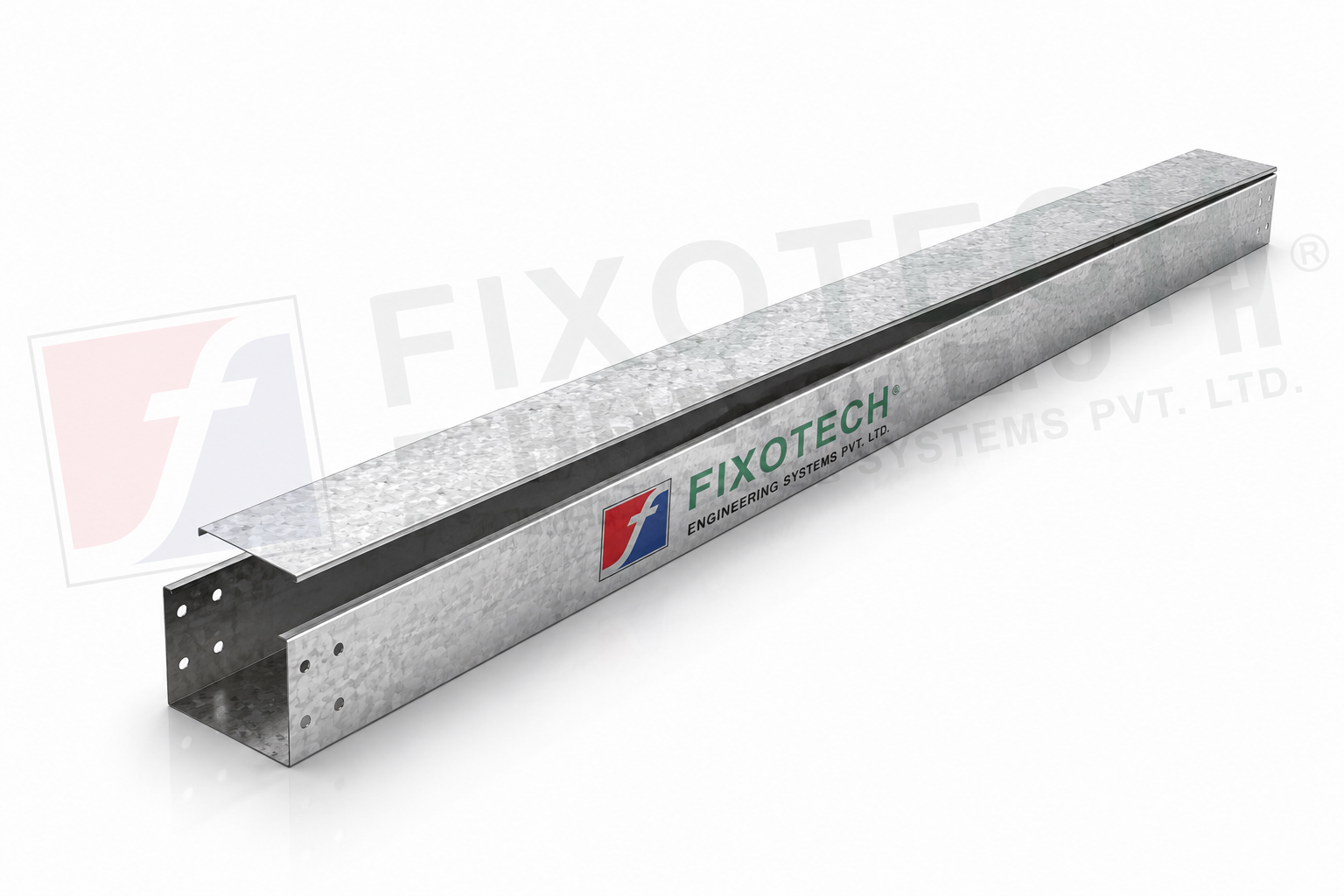 | RACEWAY CABLE TRAY - CEILING RACEWAY RACEWAY CABLE TRAY - CEILING RACEWAY A cable management system made especially for routing and arranging cables over ceilings or overhead spaces is called a ceiling raceway cable tray. View product → |
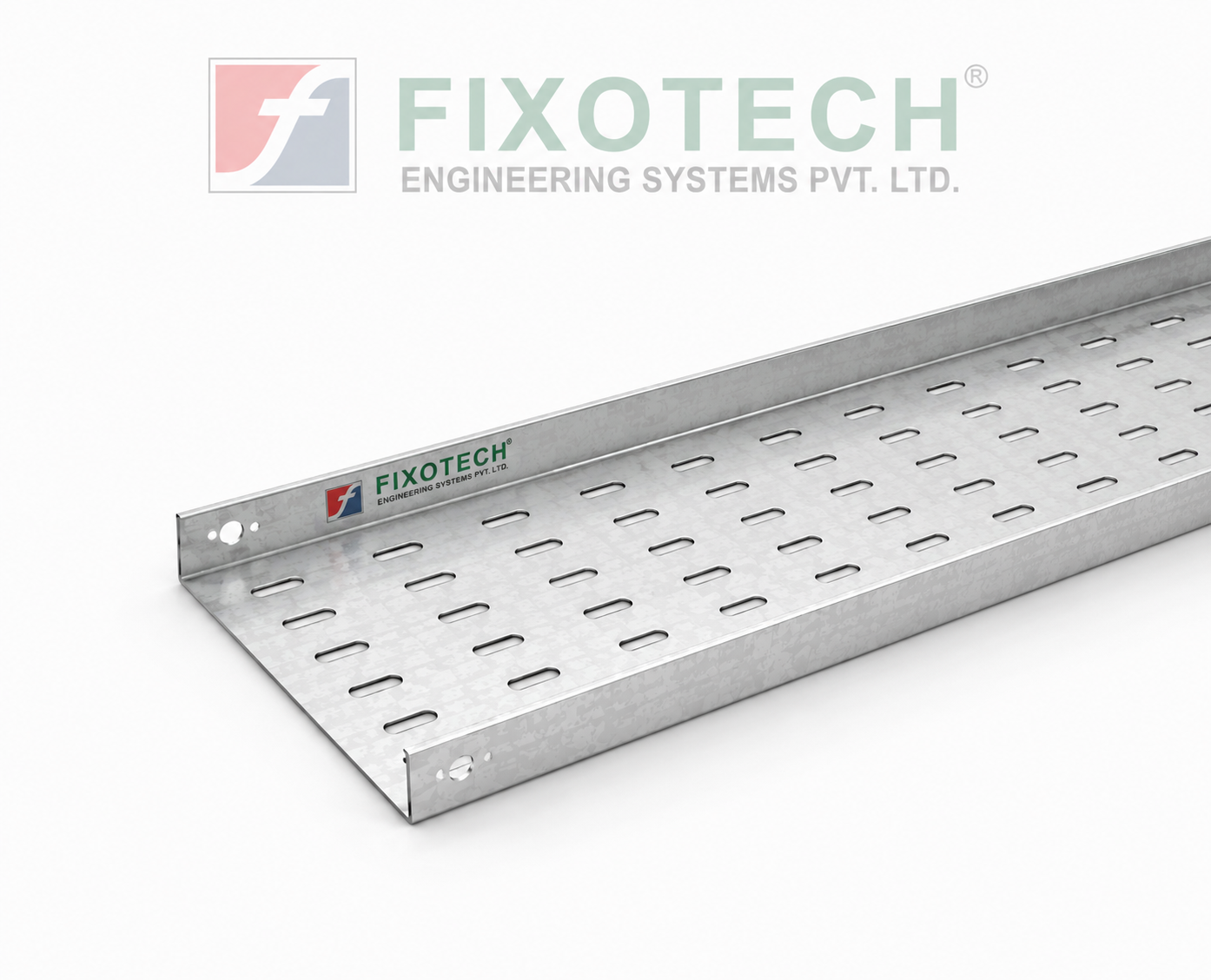 | PERFORATED CABLE TRAY Perforated Tray In electrical systems, a perforated cable trayeither with or without coversis a typical part used to support and arrange cables. View product → |
Frequently asked questions
When does a ceiling raceway suit a Chennai industrial zone?
Use a ceiling raceway when the route stays accessible, relatively dry, protected from impact, and away from severe wash-down, chemical vapour, salt exposure, vibration, and monsoon ingress. Check humidity, dust, ambient temperature, and whether the route is outdoor or semi-outdoor before choosing it.
How should you compare a ceiling raceway with other cable-routing systems?
Compare ceiling raceways with ladder trays, perforated trays, wire mesh trays, conduit, and floor or trench routes using cable protection, ventilation, accessibility, segregation, installation space, cleaning requirements, and future expansion. Choose the system that matches the plant environment rather than relying on the lowest initial price.
How do you size the raceway for cables, heat and future circuits?
List every cable by outside diameter, voltage, function, quantity, weight, minimum bending radius, and operating temperature. Check the manufacturer's fill and load tables, preserve bending space at turns and entries, allow heat dissipation, and reserve capacity for planned circuits.
Which material, support and protection details matter in the plant?
Check material and finish against humidity, wash-down water, chemicals, temperature, vibration, and salt exposure. Review support spacing, anchor type, span loads, covers, edges, bonding and earthing, corrosion protection, segregation, and access for inspection.
What evidence should you demand before approving a manufacturer?
Request dimensional drawings, cable-load calculations, material and coating specifications, support details, installation instructions, inspection and test records, quality documents, warranty terms, and references from comparable industrial installations. Confirm that the submitted design matches your cable schedule and site conditions.
Related products
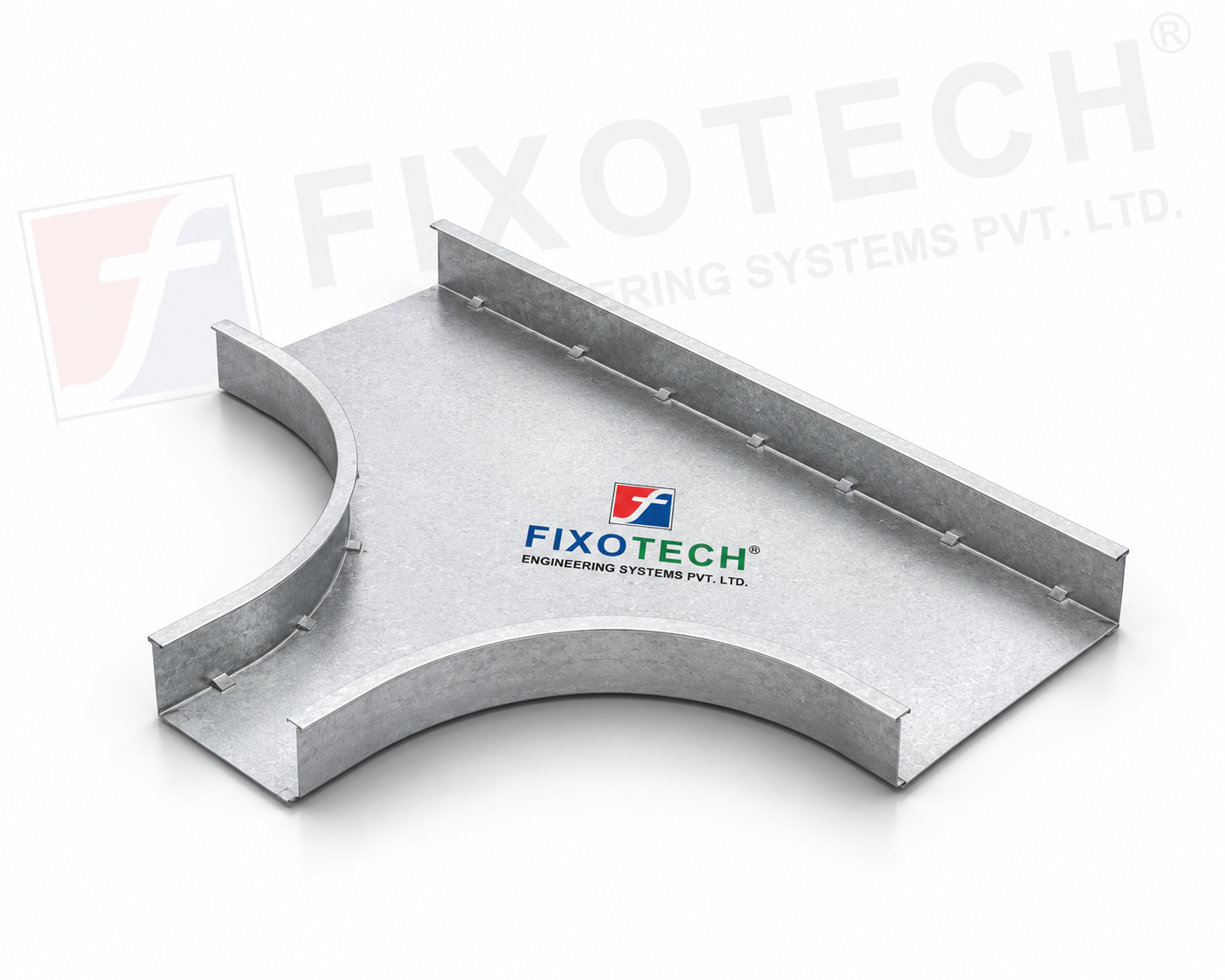 | RACEWAY CABLE TRAY - CEILING RACEWAY One particular part of a cable management system made to help with the seamless transition of cables at intersections or T-junctions in a raceway... View product → |
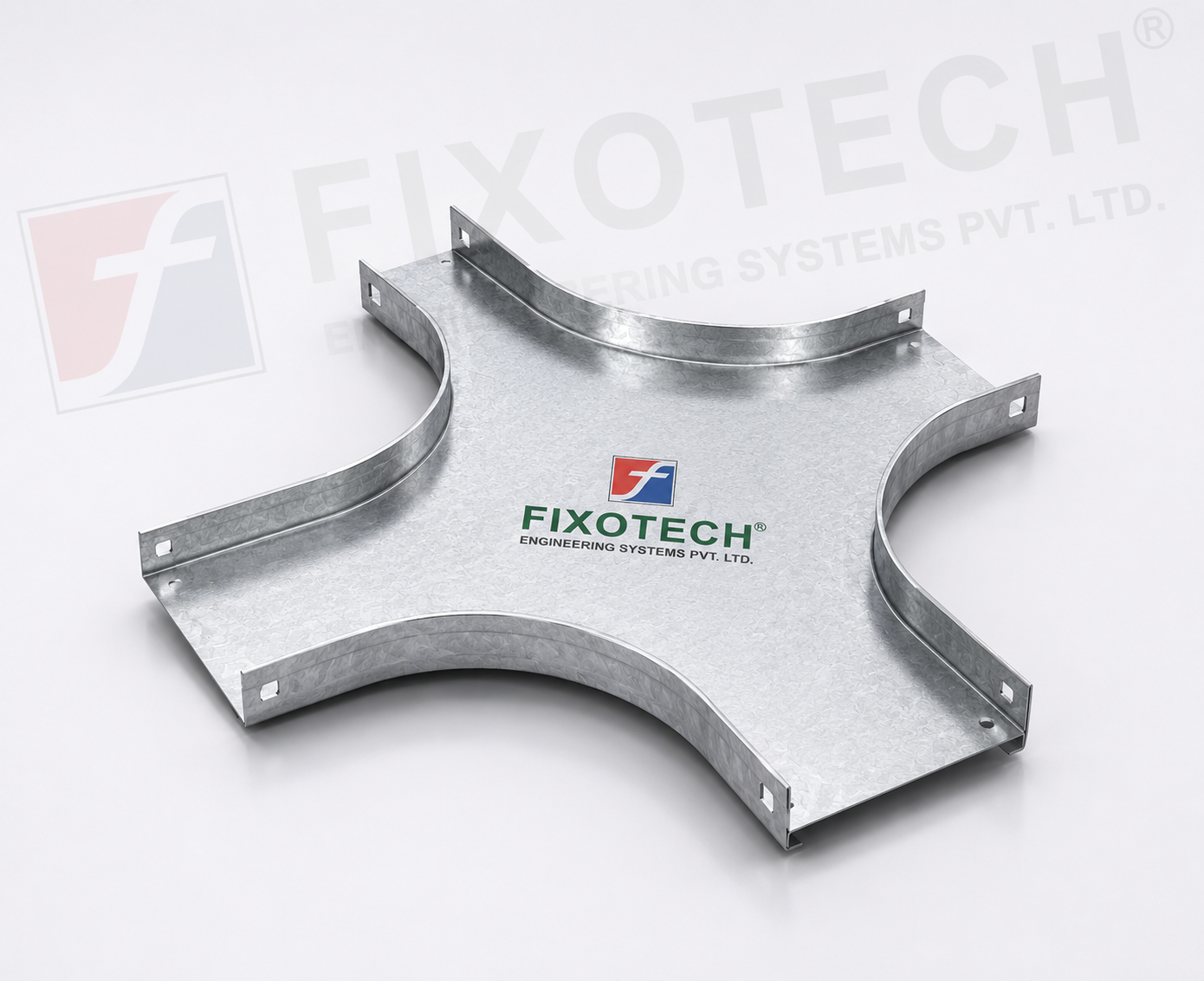 | RACEWAY CABLE TRAY - CEILING RACEWAY One part of a cable management system that helps with the seamless transfer of cables at cross intersections or junctions in a raceway system is the... View product → |