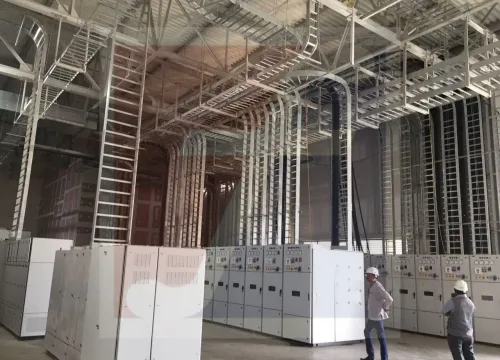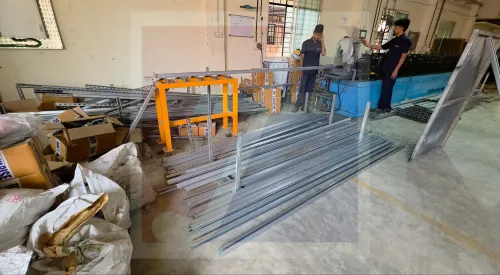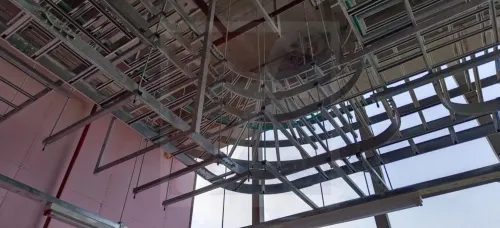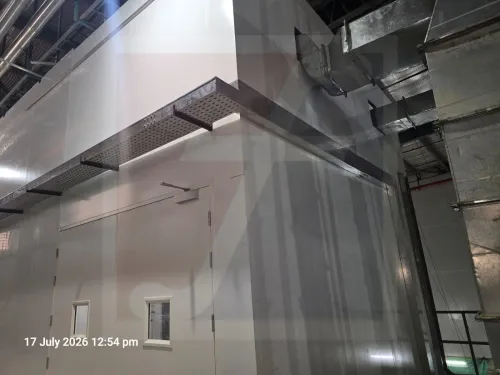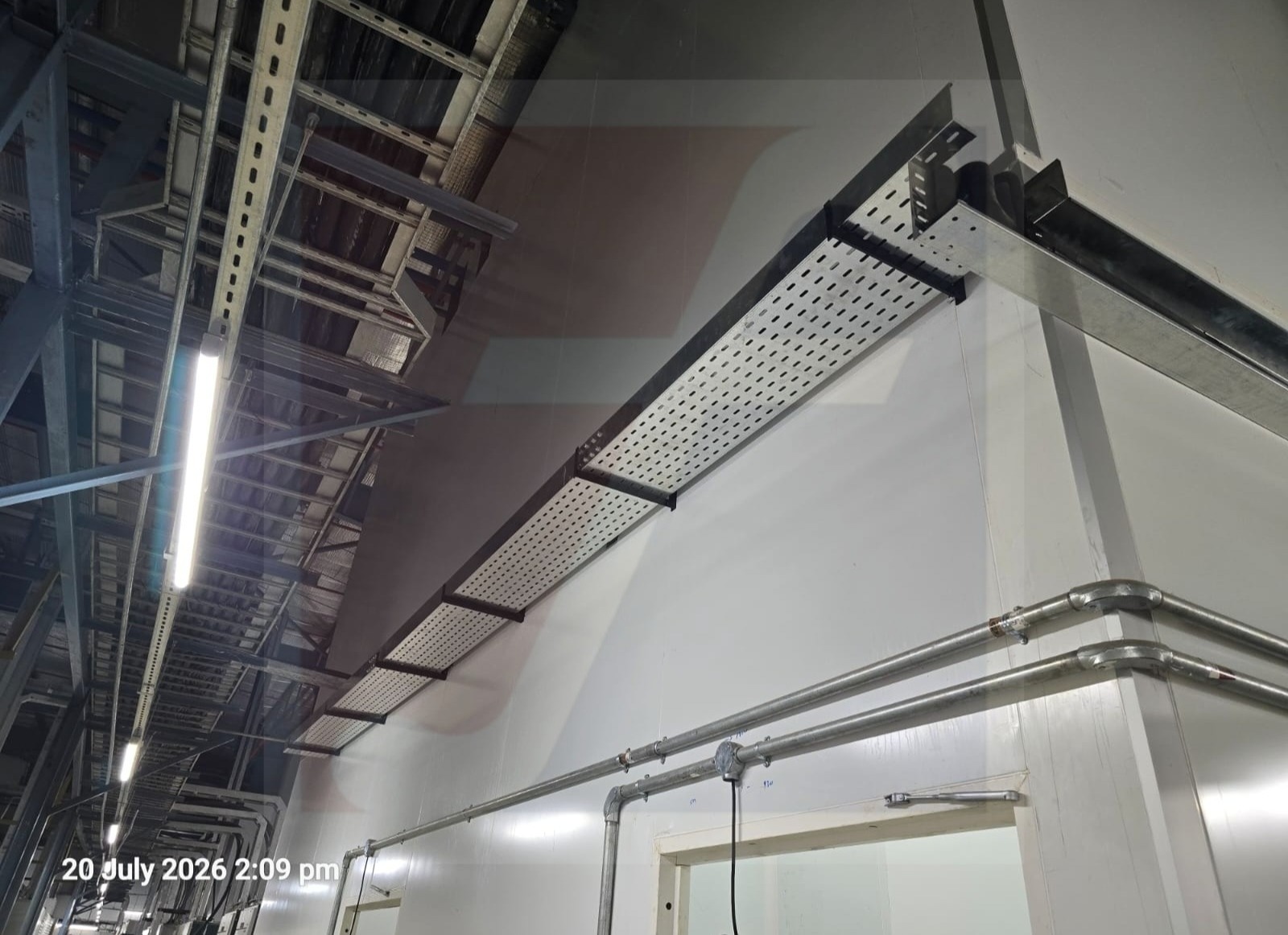
A detailed request for quotation can save considerable time when procuring cable management products. For buyers approaching a Perforated Cable Trays Manufacturer in Chennai, the quality of the RFQ directly affects how accurately the manufacturer can understand and quote the requirement.
Begin by stating that the requirement is for perforated cable trays. This prevents confusion with ladder trays or other cable management products.
Next, provide dimensional information. The required tray width, side height and section length should be clearly stated. If several sizes are needed, list each configuration as a separate line item with its corresponding quantity.
Material thickness should not be omitted. Instead of allowing assumptions, state the specified thickness for each tray size or category according to the approved project documents.
The RFQ should also identify the required material and finish. Environmental and project conditions influence these selections, so buyers should use the specification established by the project's engineering team.
Accessories require similar detail. Rather than stating "accessories as required," list individual components such as:
- Horizontal bends
- Vertical bends
- Tees
- Crosses
- Reducers
- Couplers
- Covers, if specified
The size and quantity of each accessory should be included wherever available.
For projects involving non-standard layouts, drawings can provide valuable context. They help communicate dimensional relationships and special fabrication requirements that may be difficult to describe through an item description alone.
A well-prepared RFQ should therefore answer five basic questions: what product is required, what dimensions are required, what material specification applies, how many units are needed, and which accessories form part of the requirement?
This level of clarity is particularly useful for procurement teams handling manufacturing and infrastructure projects in Chennai and across Tamil Nadu. It also enables more meaningful quotation comparisons because participating manufacturers are responding to the same defined specification.
Fixotech Engineering Systems Pvt Ltd manufactures perforated cable trays and compatible accessories for industrial requirements. Providing a complete BOQ, technical specification and relevant drawings allows the company to evaluate manufacturing requirements against the actual project scope.
An RFQ should do more than request a price. It should establish a clear technical baseline. When manufacturers receive complete information at the enquiry stage, buyers are better positioned to compare offers accurately and move toward procurement with fewer unresolved specification questions.