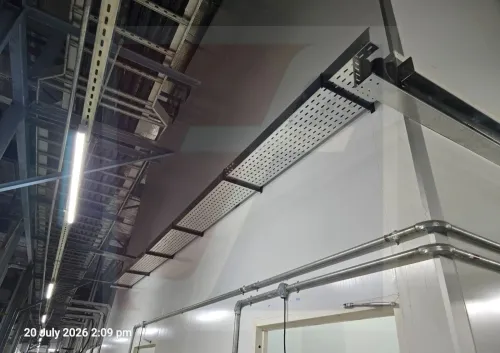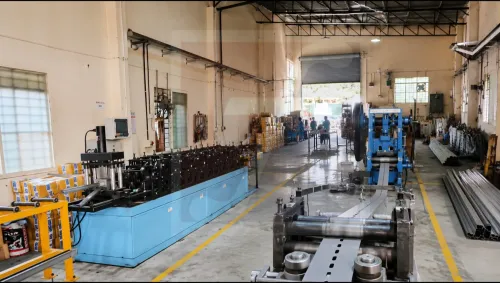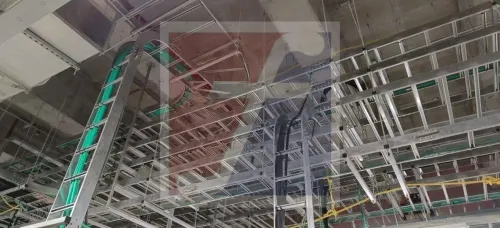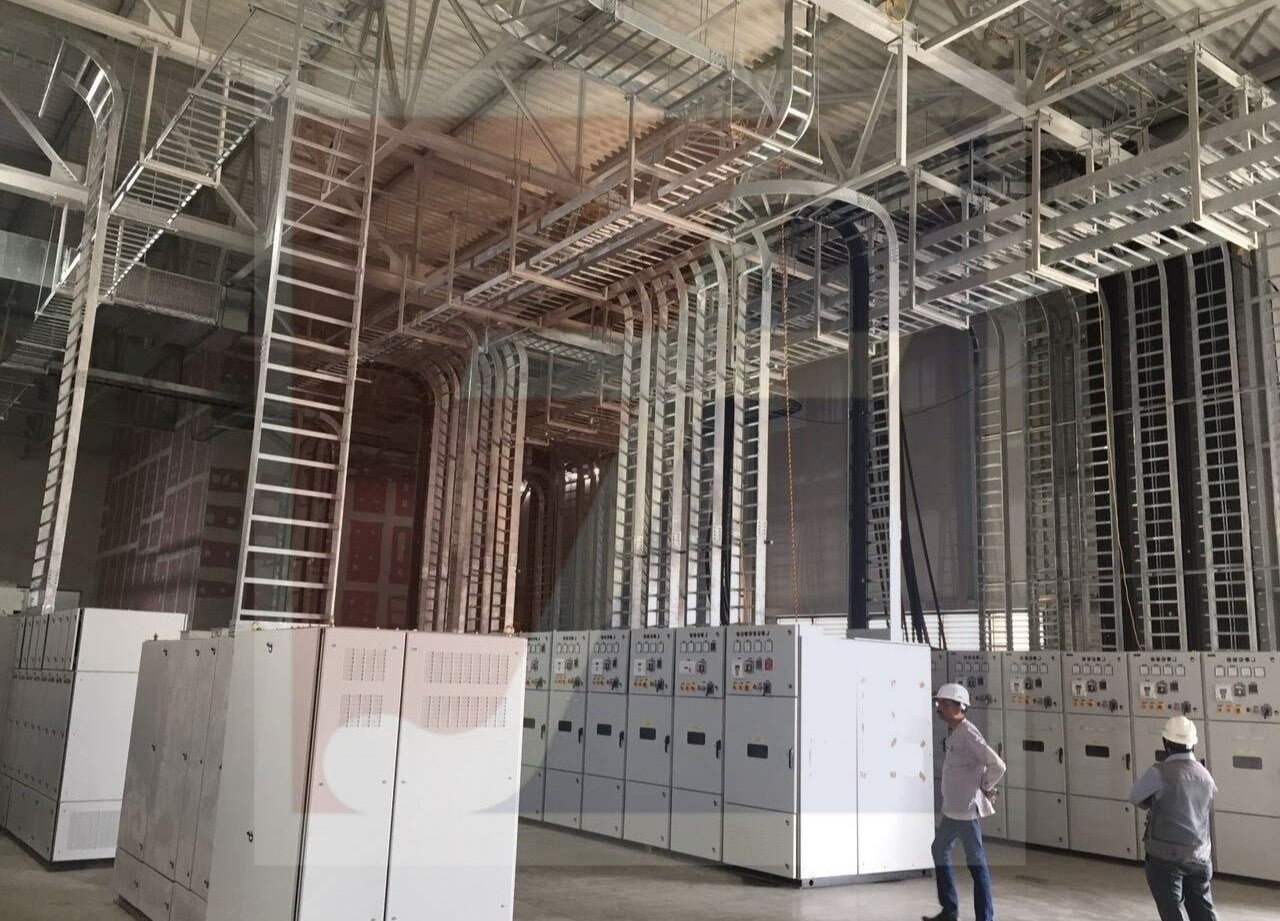
A dedicated reducer is only one way to move from a larger raceway to a smaller pathway, and choosing it by nominal width alone can create a pinch point, failed cover, or impossible cable bend. You will be able to compare straight transitions, offsets, boxes, adapters, split routes, and system changes, then specify and inspect the option that fits your cables, building conditions, and future needs.
Key takeaways
- Measure the downstream cable bundle before choosing a transition.
- Keep spare capacity and the cable’s minimum bend radius through the fitting.
- Use a reducer, offset, adapter, or tray transition to match the route.
- Send dimensions, cable data, load, and installation details to the manufacturer.
Which raceway reducer alternative fits the transition?
Choose the fitting from the downstream cable bundle’s measured outside diameter, spare capacity, pulling method, and minimum bend radius—not from nominal trade size alone.
| Option | Capacity and bend radius | Continuity, time, appearance, access, risk |
|---|---|---|
| Straight transition | Preserves capacity and bend path | Fast, clean, continuous enclosure; good future access and low snag risk |
| Width or height reducer | Changes one dimension; verify fill and bend clearance at the taper | Compact and neat, but leaves less expansion room and can pinch cable |
| Concentric reducer | Centres the bundle through both dimension changes | Best appearance; slower alignment and higher bend-radius risk |
| Left/right-offset reducer | Clears beams or obstacles without centring the route | Useful retrofit; inspect the offset for sidewall abrasion |
| Stepped reducer | Changes size in stages for a gentler pull | Takes more space and fittings, but reduces pulling damage |
| Adjustable fitting | Handles measured variation or alignment correction | Quick for irregular work; confirm enclosure continuity and cover fit |
| Field-fabricated adapter | Custom solution for unusual dimensions | Fast only with controlled fabrication; burrs, weak bonding, and poor listing create damage risk |
| Pull or junction box | Adds working space rather than tapering the cable path | Easiest to inspect and pull through, but adds space, fittings, and termination points |
| Different system | Tray, trunking, or conduit replaces the raceway transition | Select for volume, sealing, access, or segregation; verify entry protection and bend radius |
A constant-size raceway with a short spare section is the expansion-friendly choice. Use a pull box when inspection and future pulling outweigh ceiling space.
A listed raceway fitting matches its raceway type; a cable-tray reducer changes tray width or configuration. A raceway-to-tray adapter must match both systems’ material, bonding, load, and edge protection. Do not treat improvised sheet metal as equivalent.
If two smaller raceways replace one, identify each circuit, keep conductors grouped, apply grounding, bonding, segregation, and parallel-conductor rules, then recalculate fill. This is the practical raceway cable tray reducer choice, not a nominal-size shortcut.
How do you select a ceiling raceway size transition?
A ceiling raceway size transition starts with field dimensions, not the upstream raceway’s nominal trade size. Measure the installed section and the route direction before choosing a fitting.
- Record outside width and height, inside width and height, wall thickness, cover profile, usable internal area, joining method, hole pattern, material, and finish.
- Record the direction of travel: straight, upward, downward, left offset, right offset, or a change in both direction and elevation.
- Photograph the connector, cover, supports, fasteners, and any internal obstruction so the replacement matches the existing system.
- Measure incoming and outgoing raceway widths and heights, then note cable outside diameters, planned additions, and the manufacturer’s minimum bend radius.
Classify the fitting before ordering it. A width-only change needs a width reducer; a height-only change needs a height reducer. A concentric transition keeps the centreline aligned, while a left- or right-offset transition shifts one edge. A stepped or compound fitting changes both width and height.
Check the transition itself, not only the straight sections. Confirm cable fill, cover clearance, connector geometry, support position, and bend space at the taper.
NEC Chapter 9, Table 1 gives general fill limits of 53 percent for one conductor, 31 percent for two conductors, and 40 percent for more than two conductors, subject to the wiring method and exceptions.
For telecommunications pathways, use TIA-569 as the pathway reference. The cable manufacturer’s bend-radius instruction controls the cable: a bundle can pass the fill calculation yet kink, crush, or damage its jacket at the transition.
How do you install and protect a transition without creating a failure point?
A transition fails when it becomes a sharp, misaligned, unsupported, or unbonded section of the route. Treat raceway reducer alternatives as part of the complete cable path, not as a dimensional patch.
1. Position the raceway sections and align the connectors before tightening fasteners. Remove burrs and sharp edges from factory or field cuts, keep the internal floor flush, and confirm that the cover seats across every joint without pinching cable.
2. Maintain the specified support spacing on both sides of the fitting. Do not let the transition carry unsupported cable weight; sag can open joints, overload fasteners, and force a cable below its minimum bend radius.
3. Verify bonding and earthing continuity across painted joints, dissimilar metals, field cuts, and removable covers. Use the specified bonding hardware or prepared contact surfaces, then test continuity rather than assuming a fastener provides it.
4. Fit and inspect the transition before pulling cable when access is restricted, such as above a closed ceiling. Use an accessible pull point when cable bend radius, pulling tension, or cable length makes the transition itself a poor pulling location.
5. Check clearance near ceiling drops, beams, fire barriers, junction boxes, and equipment entries. At a rated wall, floor, or ceiling, select firestop tested for that assembly, penetrating item, annular space, and installation configuration; ordinary caulk is not an automatic substitute.
6. For outdoor, wet, dusty, chemical, washdown, or UV-exposed routes, preserve enclosure continuity and ingress protection, match corrosion compatibility, protect cut edges, and specify a finish suited to the exposure. A gap, incompatible metal, or unsealed cover can defeat the entire system.
When is a different cable-management system better than a reducer?
Choose a different system when the ceiling raceway creates a cramped, inaccessible, or poorly protected transition. The raceway cable tray reducer choice must follow the downstream cable volume, access needs, exposure, and maintenance plan—not nominal width alone.
| System | Best use | Main trade-off |
|---|---|---|
| Ladder tray | High-volume, accessible cable routes | Exposes cables to dust and impact |
| Perforated tray | Supported industrial bundles | Adds weight and can retain debris |
| Conduit | Sealed mechanical protection | Slower cable pulls and limited future access |
| Trunking | Enclosed wiring accessed frequently | Cover removal and internal congestion |
| Underfloor system | Floor-level distribution | Requires clear floor panels and planned routes |
| Separate power and data routes | Segregation or electromagnetic compatibility | Uses more space and support hardware |
Use a listed raceway-to-tray adapter when the tray is the correct pathway. Protect the cable at entry, preserve the cable manufacturer’s minimum bend radius, and match both systems’ material, finish, bonding, and load ratings. An unprotected edge or abrupt taper can damage jackets during pulling.
Check indoor or outdoor exposure, moisture, dust, chemicals, UV, cleaning methods, cover replacement, and available access panels. Keep panels clear of beams and equipment, and reserve capacity for planned additions.
An immediate reduction saves material and ceiling space. A larger continuous route can prevent future pulls, rework, and repeated cover replacement. Reject any layout that forces power and data into one pathway without the required separation. System selection is a maintenance and expansion decision, not merely a dimensional match.
What should you send a manufacturer, and how do you inspect the finished transition?
Send a cable management systems manufacturer raceway for reducer alternatives a marked-up, coordinated drawing before requesting a price. Include:
- Existing and downstream inside and outside width and height, wall thickness, cover profile, hole pattern, joining method, named raceway or tray, material, finish, indoor or outdoor exposure, transition direction, fitting quantity, and cover requirements.
- Cable outside diameters, cable load, fill target, minimum bend radius, spare-capacity allowance, power-and-data segregation, and support spacing. State whether the transition changes width, height, or both.
- Ask the supplier to confirm edge protection, load rating, bonding, enclosure continuity, and firestop details, then record the catalogue identity, dimensions, materials, and ordering data. Fixotech Engineering Systems Pvt Ltd: Manufacturer of Cable Management Systems can use these inputs to separate a compatible system fitting from a generic reducer.
Choose custom fabrication for a nonstandard width, unusual offset, beam or equipment obstruction, retrofit condition, or simultaneous width-and-height change. Require drawing approval before fabrication.
Number the acceptance check:
- Confirm covers are tight, fasteners present, joints aligned, access clear, and the enclosure continuous.
- Run a gloved hand around edges; reject sharp edges, burrs, corrosion, exposed cable, or a failed joint.
- Check the internal floor for a step and measure the cable bend against its permitted radius. Realign, replace, deburr, add support, change the fitting, or provide an accessible pull point.
Related products
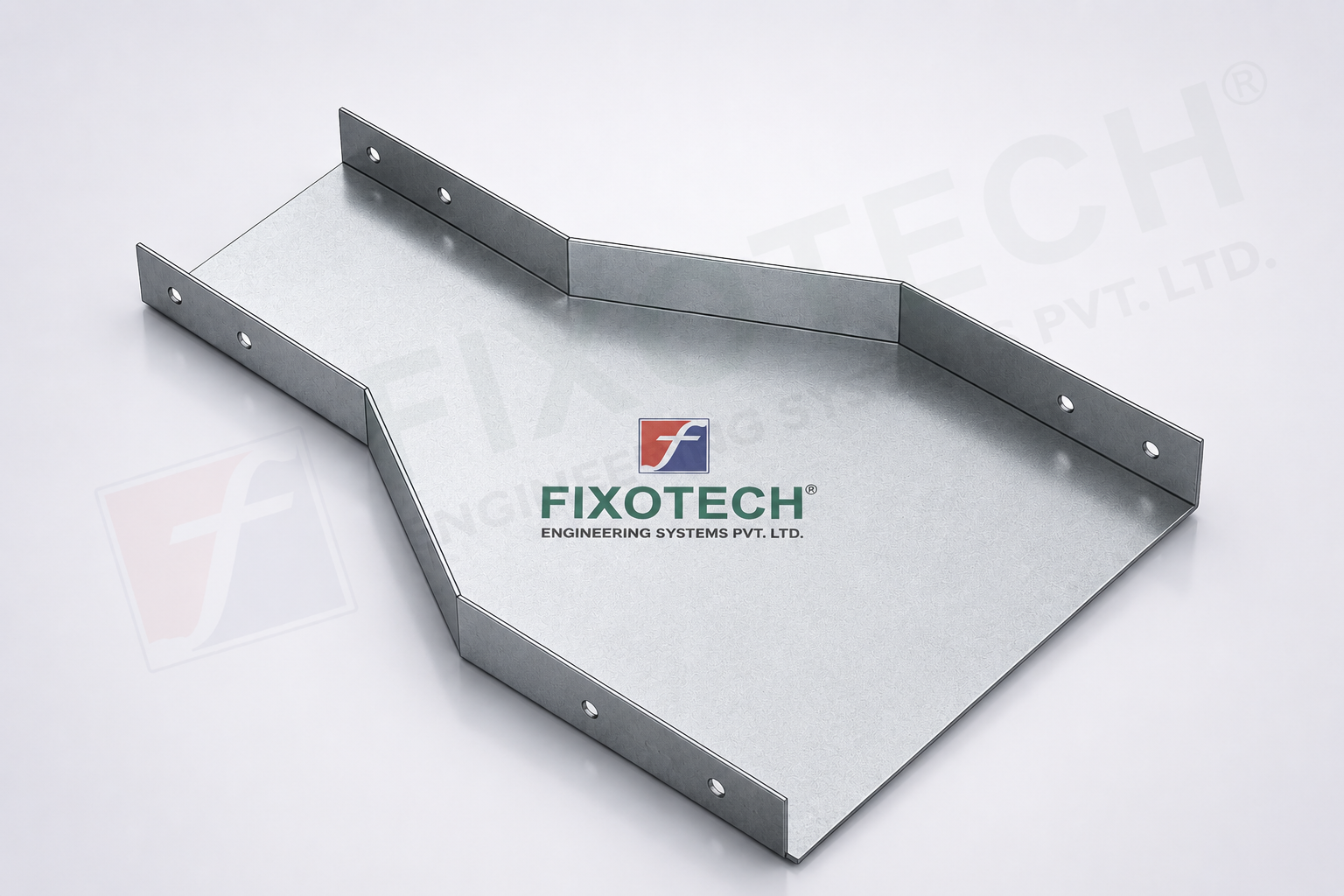 | RACEWAY CABLE TRAY - CEILING RACEWAY REDUCER To move between raceway sections of various widths or capacities, cable management systems use reducer raceway cable trays. |
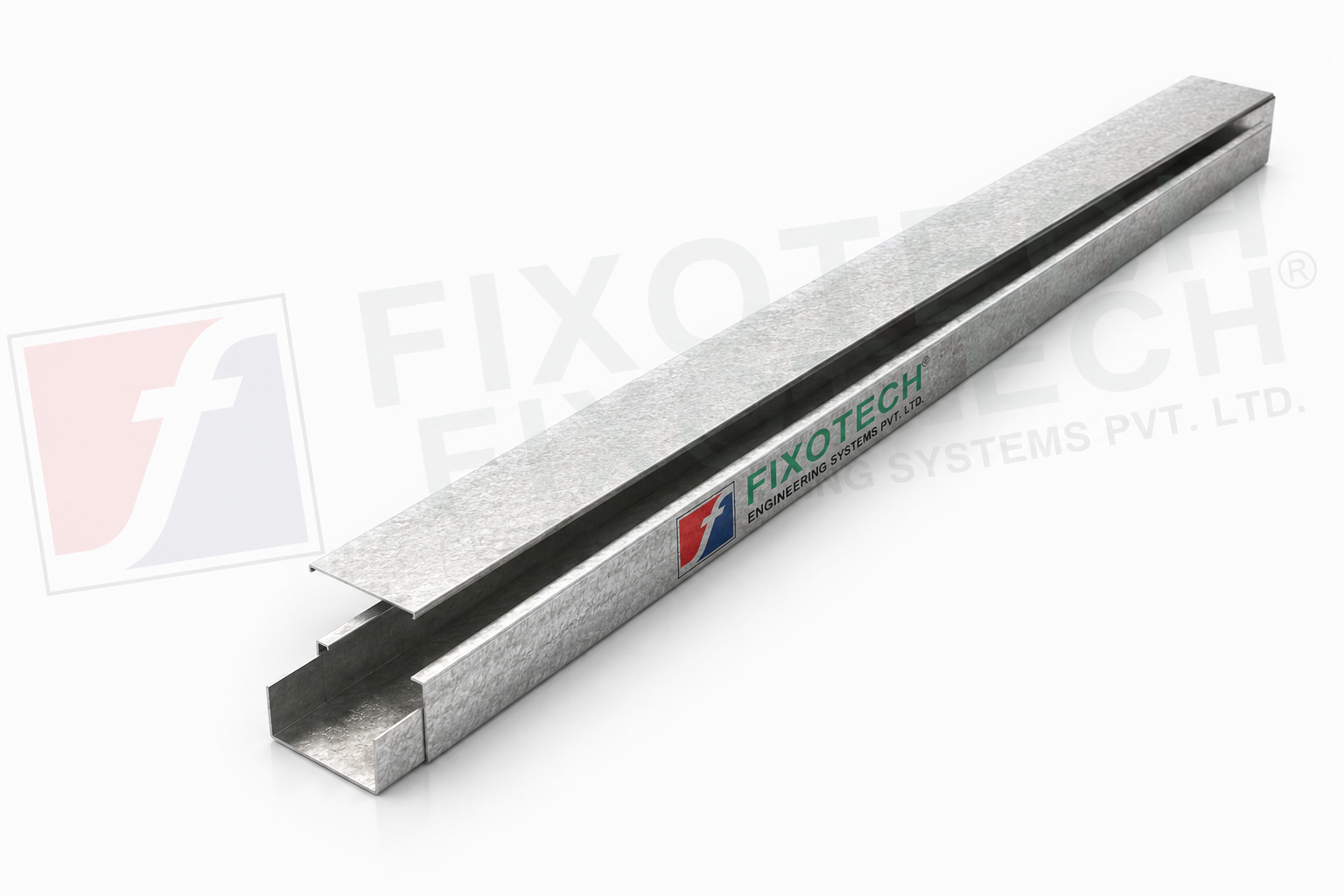 | RACEWAY CABLE TRAY - FLOOR RACEWAY RACEWAY CABLE TRAY - FLOOR RACEWAY A cable management system called a floor raceway cable tray, or just a floor raceway, is used to route and safeguard wires between floors, especially... View product → |
Frequently asked questions
Which raceway reducer alternative fits the transition?
Choose an inline reducer for a straight width change, an offset transition for misaligned routes, and an adapter when the raceway connects to a different containment type. Base the choice on measured cable diameter, spare capacity, bend radius, and the pulling method.
How do you select a ceiling raceway size transition?
Measure the installed cable bundle, add room for future cables and pulling clearance, then confirm that the transition preserves each cable’s minimum bend radius. Check the ceiling void, support spacing, cover access, and the change in raceway width and height.
How do you install and protect a transition without creating a failure point?
Align the raceway sections, remove sharp edges, secure the transition independently, and fit covers that cannot pinch cables. Use bushings or edge protection at openings, maintain the cable bend radius, and avoid placing a joint where unsupported cable weight can load the fitting.
When is a different cable-management system better than a reducer?
Use a cable tray, wireway, conduit adapter, or separate parallel route when the size change is large, the cable fill is high, the bend radius is tight, heat separation is needed, or future access matters more than a compact transition.
What should you send a manufacturer, and how do you inspect the finished transition?
Send raceway dimensions, cable outside diameters and quantities, bend-radius data, spare-capacity target, route drawings, support details, environment, material preference, and connection type. Inspect alignment, fasteners, edge protection, cover fit, cable clearance, support, and continuity of the route.
Related products
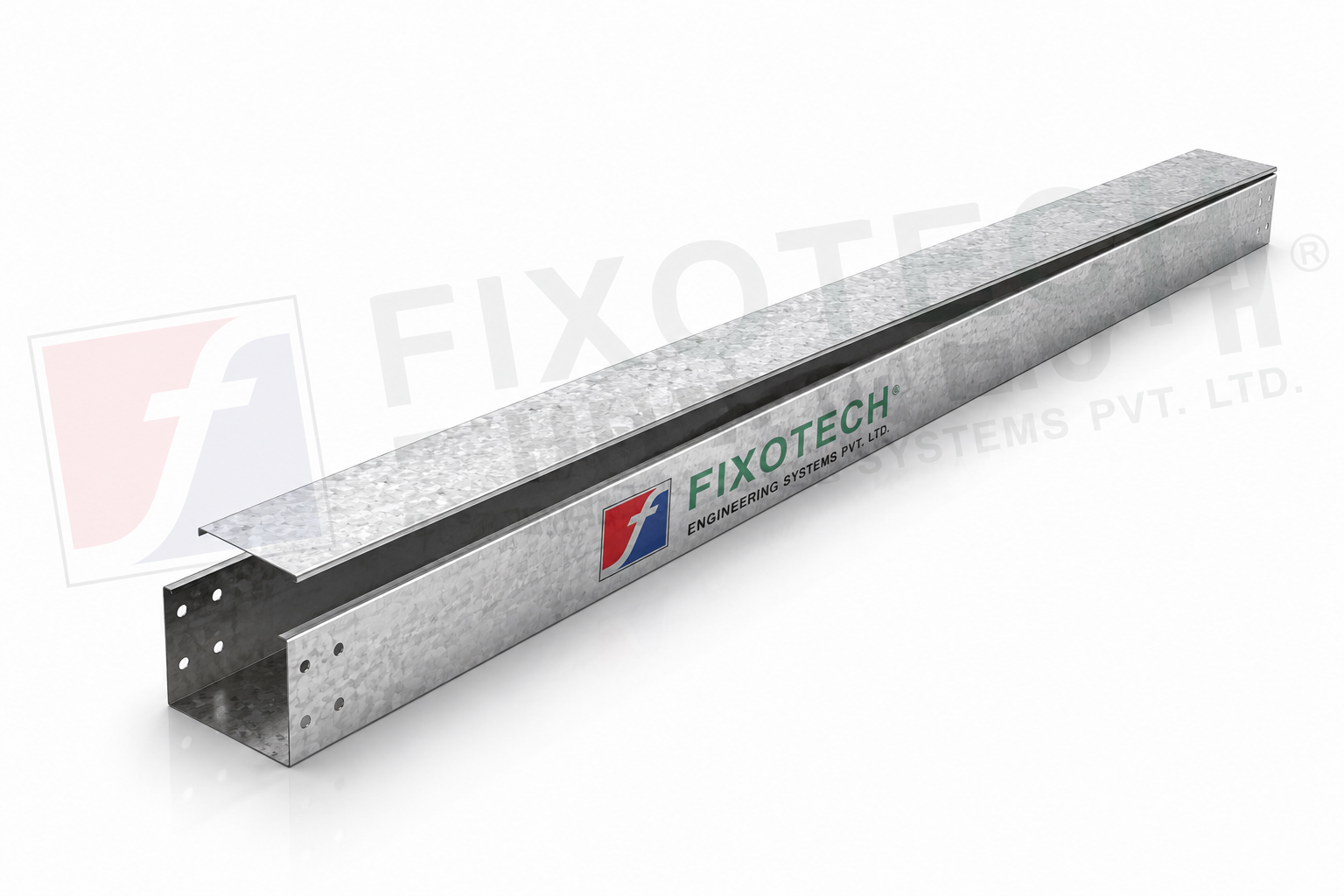 | RACEWAY CABLE TRAY - CEILING RACEWAY RACEWAY CABLE TRAY - CEILING RACEWAY A cable management system made especially for routing and arranging cables over ceilings or overhead spaces is called a ceiling raceway cable tray. View product → |
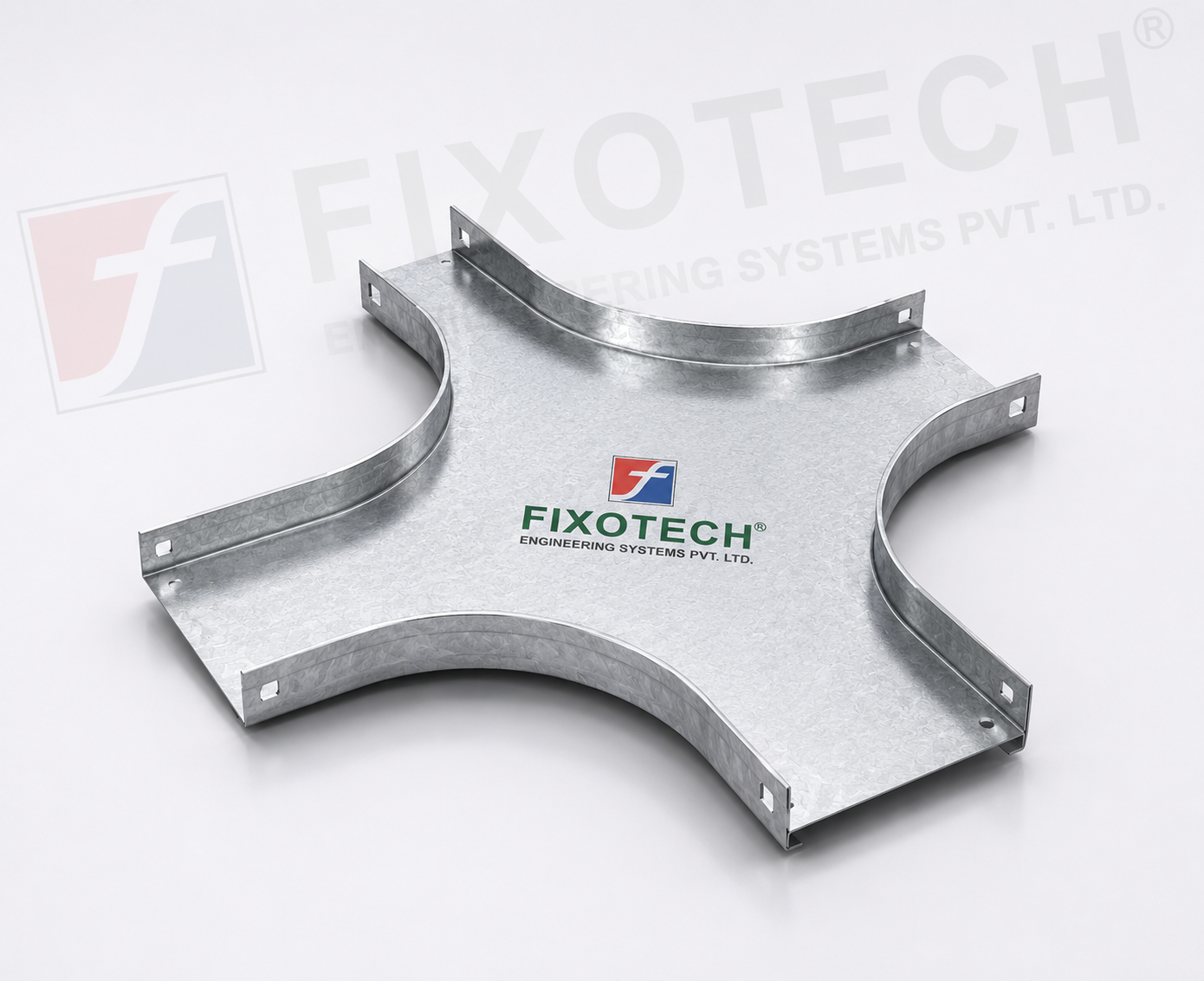 | RACEWAY CABLE TRAY - CEILING RACEWAY One part of a cable management system that helps with the seamless transfer of cables at cross intersections or junctions in a raceway system is the... View product → |
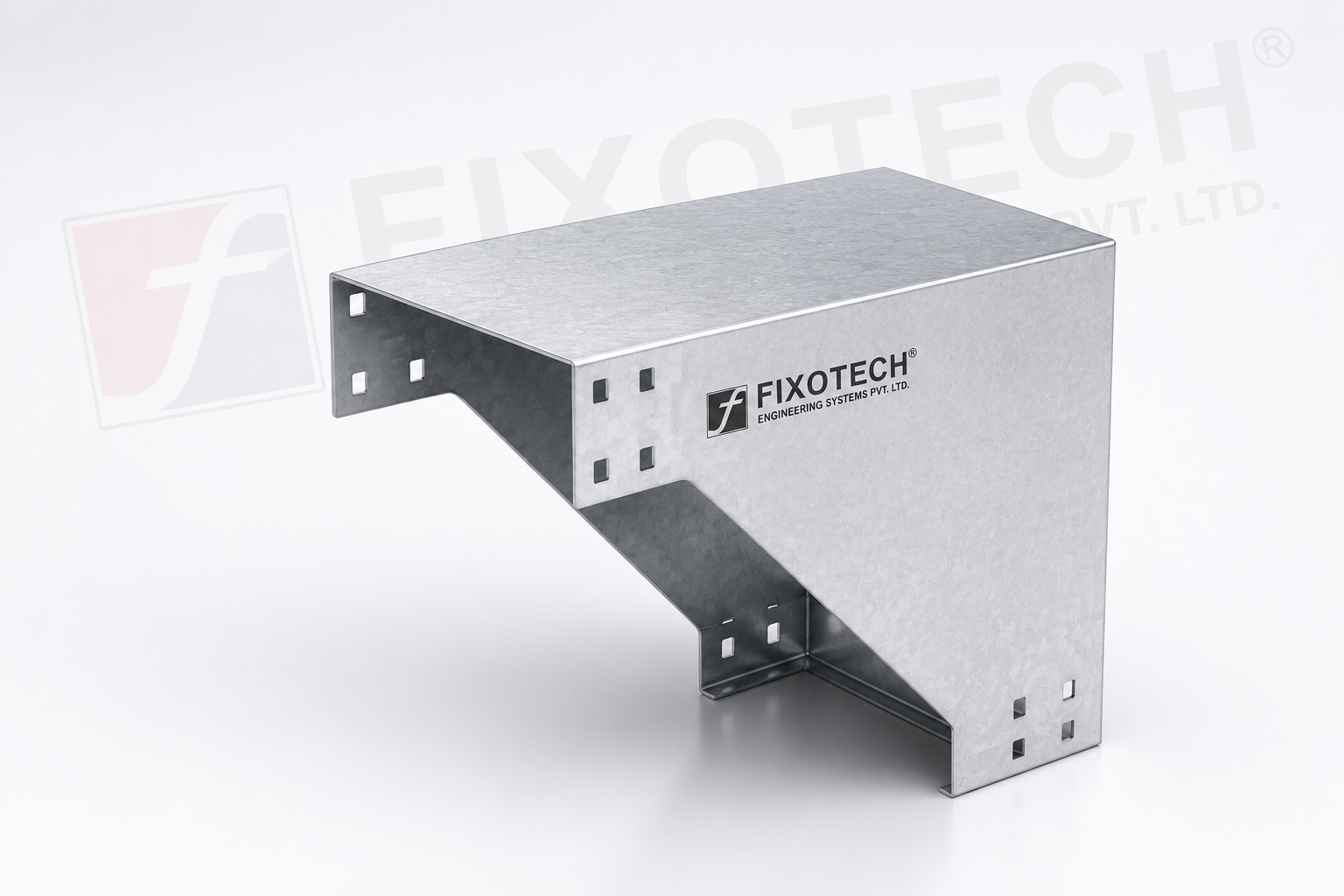 | RACEWAY CABLE TRAY - CEILING RACEWAY Specific parts used in cable management systems to travel cables vertically, either inward towards a surface or outward from it, are called vertical... View product → |
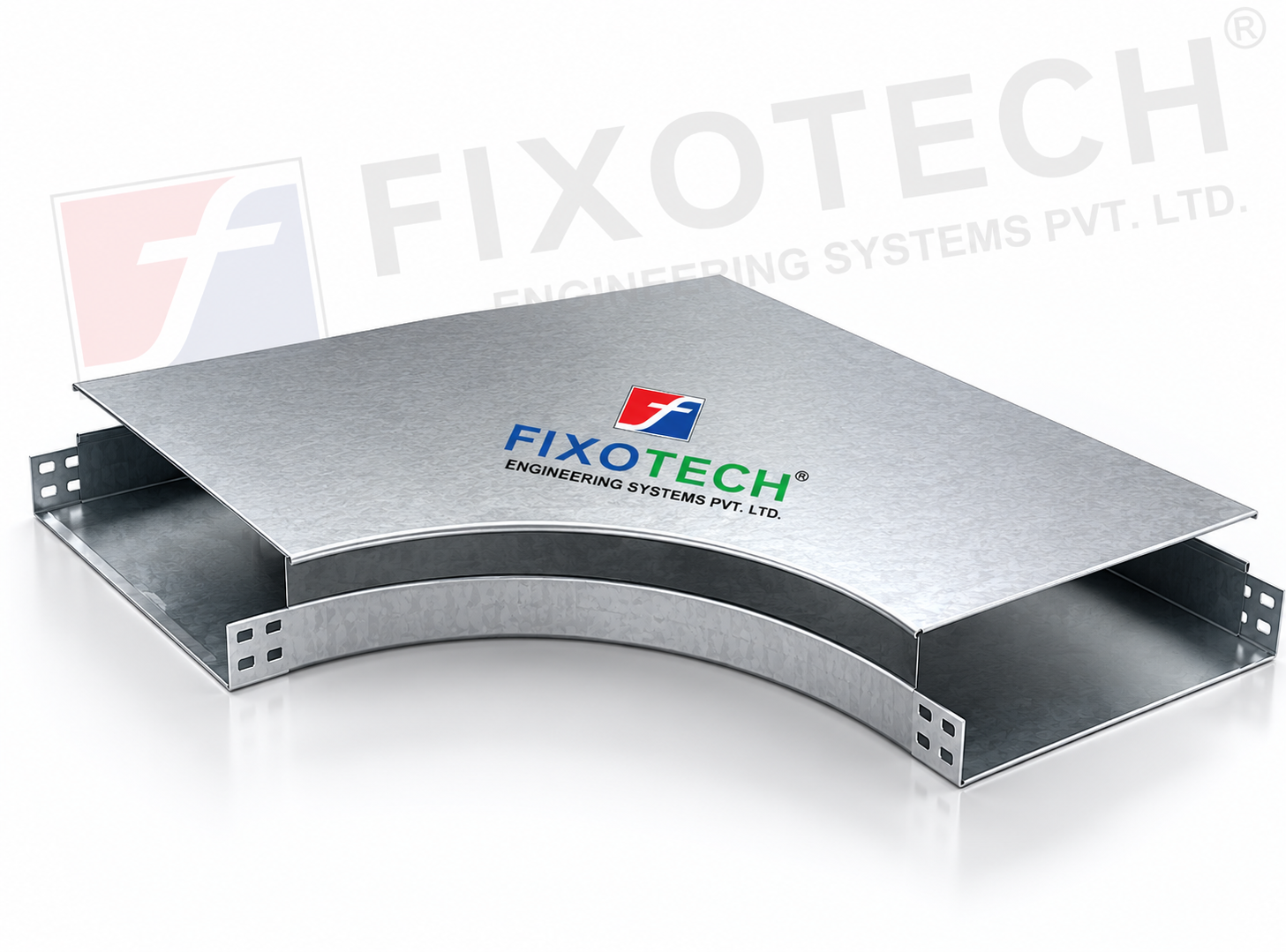 | RACEWAY CABLE TRAY - CEILING RACEWAY One part of a cable management system that helps with the seamless movement of cables around corners or horizontal bends is the Raceway Horizontal... View product → |