Coimbatore
08048036736
+919341960055

raceway cable tray ceiling raceway

68179d65be22ee500d53ff54 Card 2

product image
RACEWAY CABLE TRAY - CEILING RACEWAY

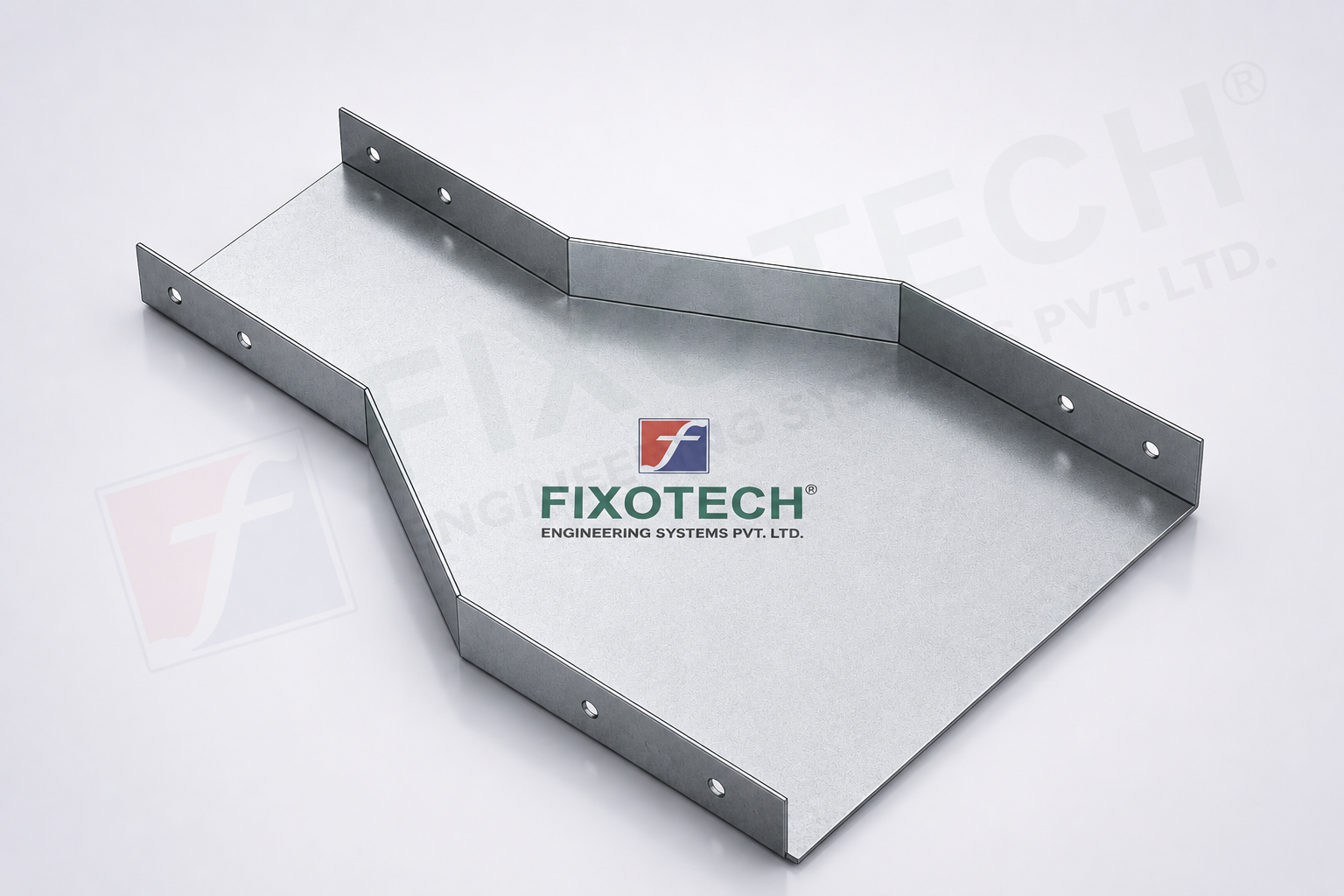
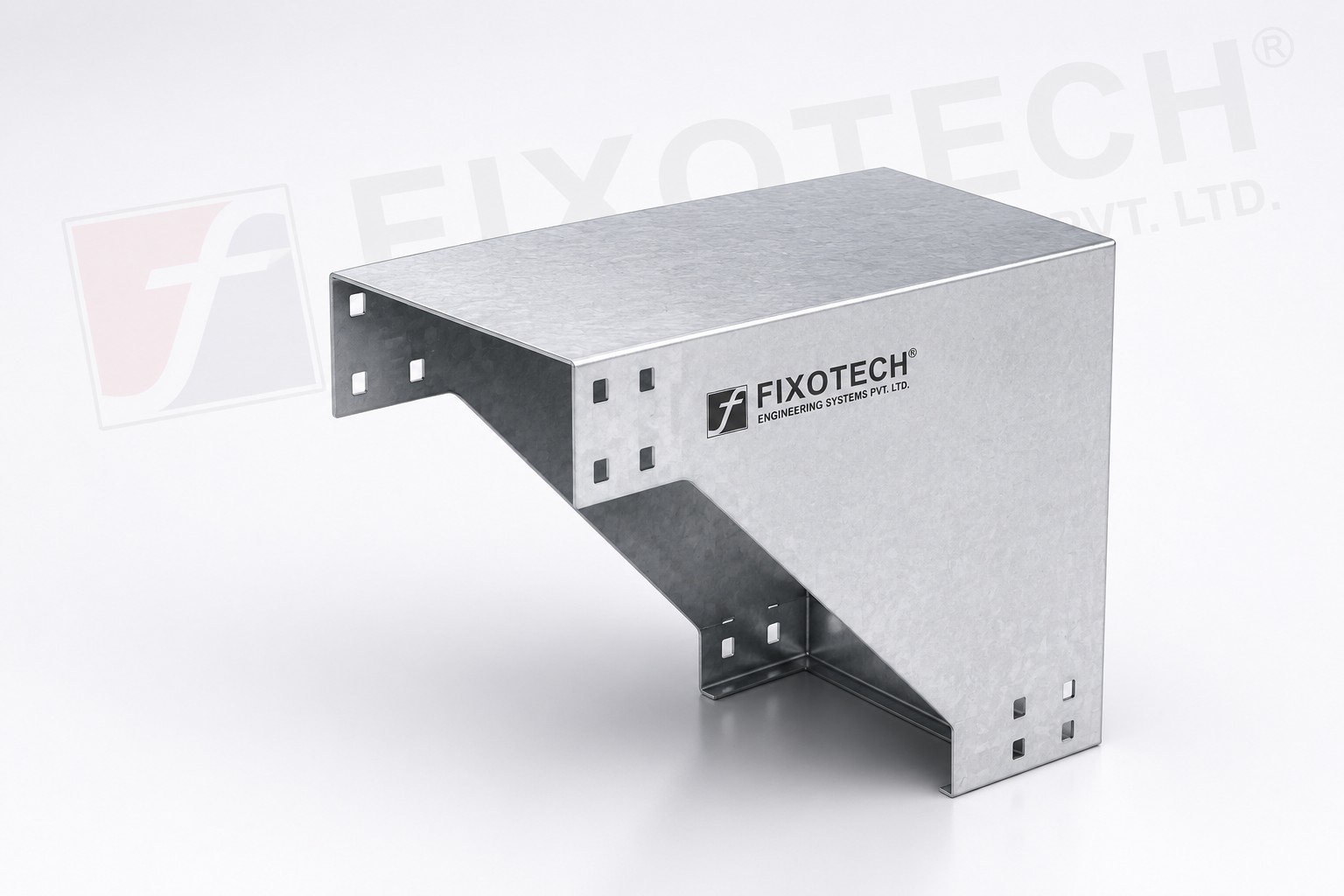
To move between raceway sections of various widths or capacities, cable management systems use reducer raceway cable trays. Below is a summary of its salient attributes: The main purpose of a reducer raceway cable tray is to make it easier for cables to go smoothly from a bigger to a smaller raceway section (or vice versa). It guarantees that wires may be arranged and supported appropriately, all the while being routed safely and effectively. Design: Reducer raceway trays are usually made in a sloping or tapered shape that progressively changes in size. Because of this design, wires may be led smoothly from the bigger to the smaller section—or vice versa—without having to make sudden shifts that could harm the cables. Construction: Reducer trays, like other raceway parts, are frequently made of sturdy materials like steel, aluminum, or PVC. They are made to offer dependable support and protection even in the face of environmental stresses and cable weight. Versatility: Reducer raceway cable trays are adaptable and useful in a range of situations where cables must switch between sections of raceways with varying capacity or diameters. They are frequently utilized in data centers, business buildings, industrial settings, and other establishments where cable management is crucial. Installation: Reducer trays are usually placed where various raceway sections converge and a size adjustment is necessary. Brackets, supports, or other raceway installation-appropriate mounting gear can be used to mount them. Compatibility: Reducer trays may be easily integrated into the current cable architecture because they are made to work with common raceway systems and other cable management components. For even more personalization, they might also work with add-ons like coverings, dividers, and fittings. In conclusion, reducer raceway cable trays are essential for effectively arranging and managing wires between raceway sections with varying capacities or widths. They also ensure that cables are properly supported and protected, contributing to the upkeep of a tidy and efficient cable management system.
68179d65be22ee500d53ff54 Card 2

product image
RACEWAY CABLE TRAY - CEILING RACEWAY

Specific parts used in cable management systems to travel cables vertically, either inward towards a surface or outward from it, are called vertical inward and outward raceway cable tray bends. Below is a summary of each: Vertical Inward Bend: This part is made to make it easier for cables to go from a horizontal to a vertical orientation, pointing them in the direction of a wall or column, for example. Usually, it has an angled or curved part that directs cables from a horizontal raceway to a vertical one safely and smoothly. Vertical Outward Bend: On the other hand, this bend moves cables away from a surface like a wall or column by switching them from a vertical to a horizontal orientation. It has an angled or curved part that guarantees cables are directed safely and smoothly, just like the inward bend. In cable management systems, these parts are essential, particularly when cables need to change directions vertically. They guarantee effective use of space, keep cables organized, and guard against damage. Usually composed of sturdy materials like steel, aluminum, or PVC, they can be combined with other raceway parts to provide a complete cable management system.

68179d65be22ee500d53ff54 Card 2

product image
RACEWAY CABLE TRAY - CEILING RACEWAY

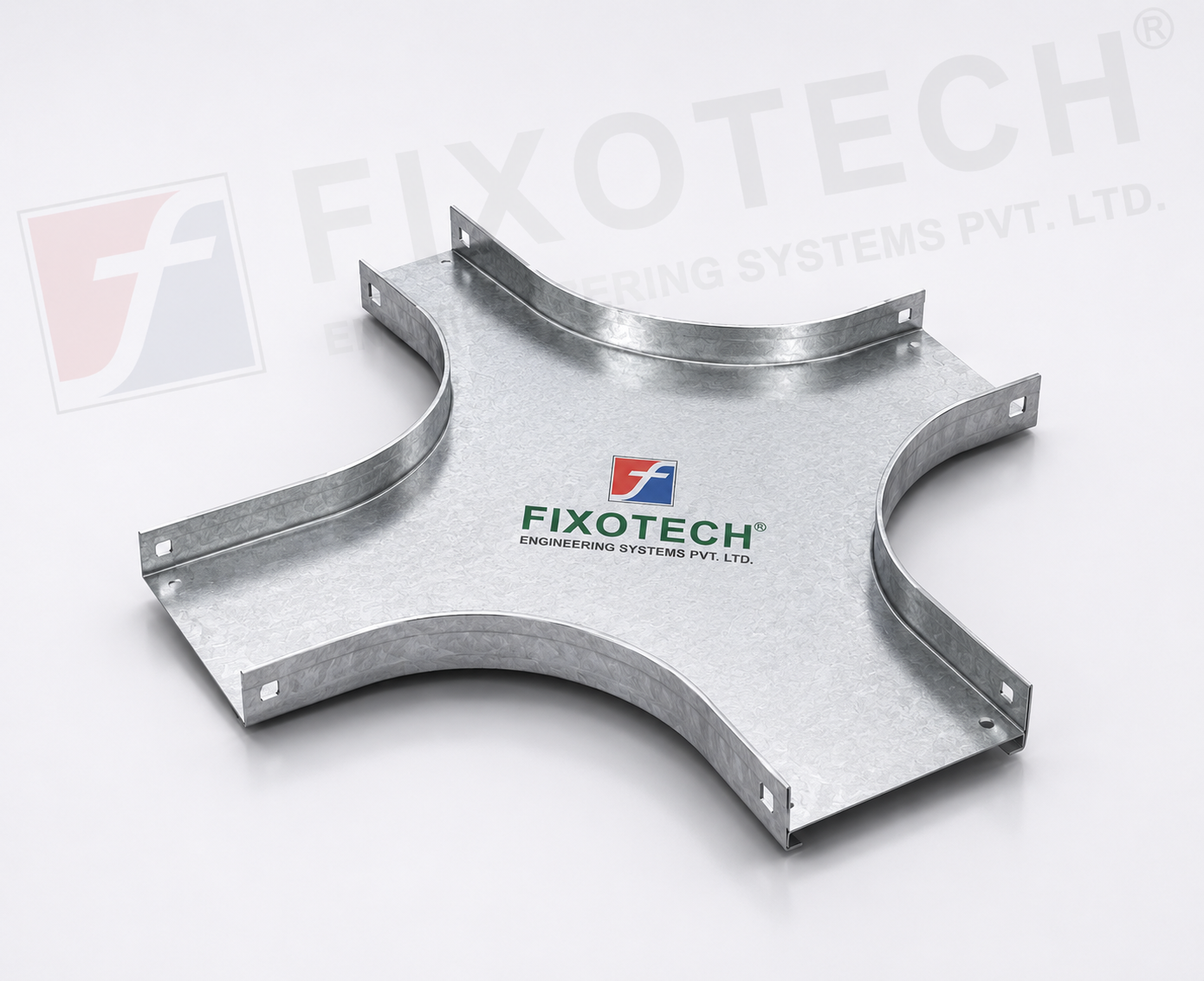
One part of a cable management system that helps with the seamless transfer of cables at cross intersections or junctions in a raceway system is the Cross Bend Raceway cable tray. Here's a summary of its salient characteristics: Function: In a cable raceway system, a Cross Bend Raceway cable tray's main purpose is to act as a branching point at cross junctions. It permits cables to move across raceways with ease while keeping the necessary order and support. Design: Cables can change direction at cross junctions thanks to the layout of Cross Bend Raceway trays. In order to direct cables around the intersection without generating stress, kinking, or damage, this design often includes angled or curved parts. Construction: Cross Bend Raceway trays are frequently made of sturdy materials like PVC, aluminum, or steel, just like other raceway parts. They are made to endure the weight of the cables and the elements while offering dependable support and protection for wires. Versatility: Cross Bend Raceway cable trays are adaptable and suitable for a range of applications in which cables in a raceway system must transition at cross crossings. They are frequently utilized in data centers, business buildings, industrial settings, and other establishments where cable management is crucial. Installation: Depending on the exact routing needs, Cross Bend Raceway trays are normally mounted at cross crossings along walls, ceilings, or floors. Brackets, supports, or other raceway-appropriate mounting gear can be used to mount them. Compatibility: Cross Bend Raceway trays are made to work with other cable management components and standard raceway systems, making it simple to integrate them into the current wire infrastructure. For even more personalization, they might also work with add-ons like coverings, dividers, and fittings. In conclusion, Cross Bend Raceway cable trays are essential for effectively arranging and routing cables at cross intersections in a raceway system. They also guarantee the correct support and protection of cables, assisting in the upkeep of a tidy and functional cable management systems

68179d65be22ee500d53ff54 Card 2

product image
RACEWAY CABLE TRAY - CEILING RACEWAY

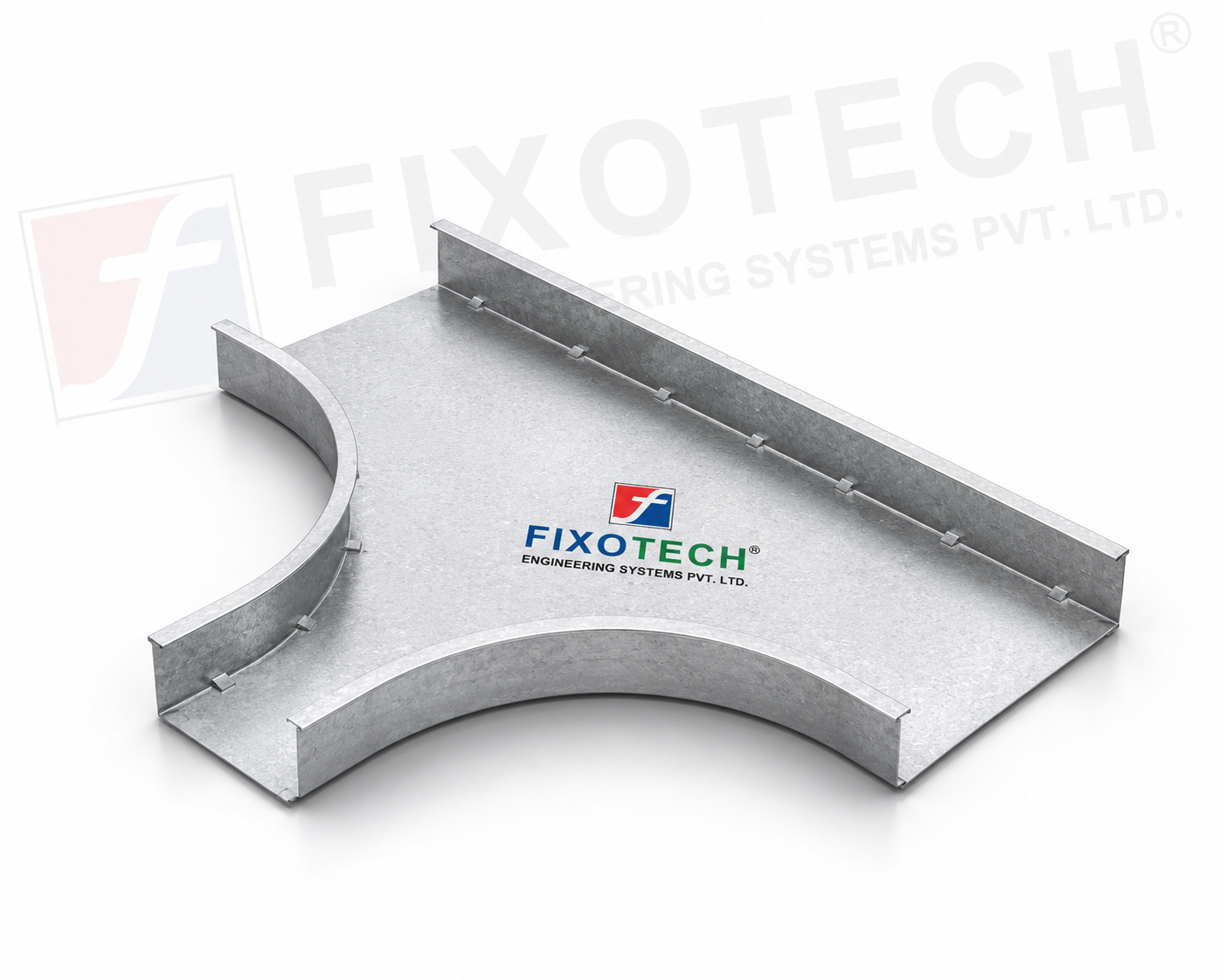
One particular part of a cable management system made to help with the seamless transition of cables at intersections or T-junctions in a raceway system is the Raceway Tee Bend cable tray. Here's a summary of its salient characteristics: Provide a branching point at T-junctions in a cable raceway system is the main purpose of a Raceway Tee Bend cable tray. With appropriate support and structure, it enables wires to move seamlessly from the main racetrack to a branch raceway or the other way around. construction: Raceway Tee Bend trays allow wires to change direction at T-junctions thanks to their tee-shaped construction. In order to direct cables around the intersection without generating stress, kinking, or damage, this design often includes angled or curved parts. Construction: Raceway Tee Bend trays, like other raceway parts, are frequently made of sturdy materials like steel, aluminum, or PVC. They are made to endure the weight of the cables and the elements while offering dependable support and protection for wires. Versatility: Raceway Tee Bend cable trays are adaptable and useful in a range of situations when cables in a raceway system need to transition at T-junctions. They are frequently utilized in data centers, business buildings, industrial settings, and other establishments where cable management is crucial. Installation: Depending on the particular routing needs, Raceway Tee Bend trays are normally mounted at T-junctions along walls, ceilings, or floors. Brackets, supports, or other raceway installation-appropriate mounting gear can be used to mount them. Compatibility: Raceway Tee Bend trays are made to work with other cable management components and standard raceway systems, making it simple to integrate them into the current wire architecture. For even more personalization, they might also work with add-ons like coverings, dividers, and fittings. In conclusion, Raceway Tee Bend cable trays are essential for effectively routing and organizing wires at T-junctions in a raceway system. They also ensure that cables are properly supported and protected, contributing to the upkeep of a tidy and functional cable management system.

68179d65be22ee500d53ff54 Card 2

product image
RACEWAY CABLE TRAY - CEILING RACEWAY

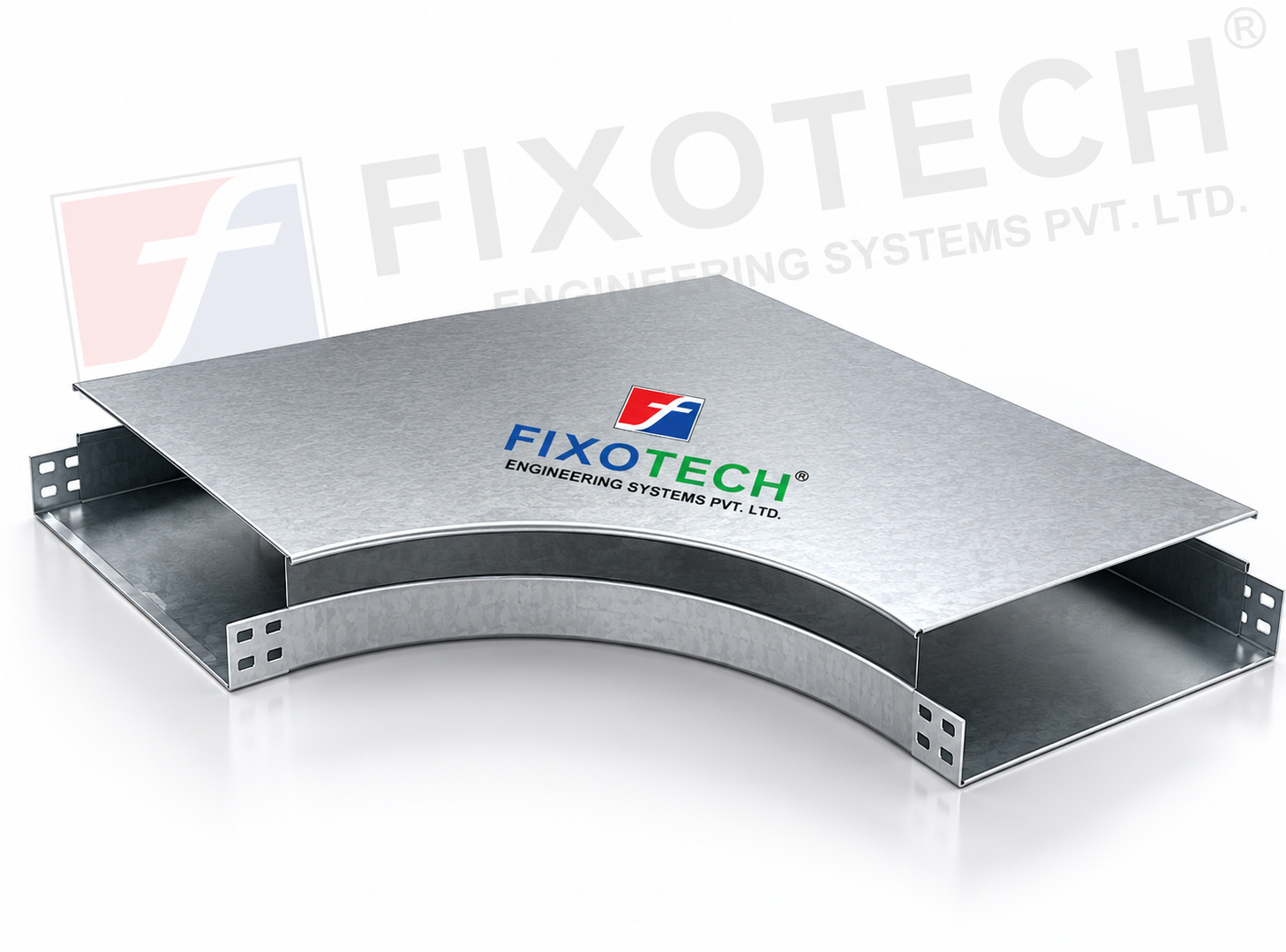
One part of a cable management system that helps with the seamless movement of cables around corners or horizontal bends is the Raceway Horizontal Bend cable tray. Here are some of this component's main characteristics: Function: A Raceway Horizontal Bend cable tray's main purpose is to steer cables around curves and corners in a horizontal manner while providing the necessary structure and stability. This part makes sure that wires can be routed securely and effectively along the intended path without harming anything or interfering. Design: In order to facilitate the seamless passage of cables around bends and corners, Raceway Horizontal Bend trays are usually constructed with an angled or curved section. The tray's curve is precisely designed to keep the cables' minimum bend radius intact, preventing kinking, tension, and other damage. Construction: Raceway Horizontal Bend trays, like other cable tray parts, are frequently made of sturdy materials like steel, aluminum, or PVC. They are made to offer dependable support and protection even in the face of environmental stresses and cable weight. Flexibility: When wires need to be routed horizontally around bends or corners, Raceway Horizontal Bend cable trays come in a variety of applications. They are frequently utilized in data centers, business buildings, industrial settings, and other establishments where cable management is crucial. Installation: Depending on the exact routing needs, Raceway Horizontal Bend trays are normally put along walls, ceilings, or floors. Brackets, supports, or other horizontal installation-appropriate mounting gear can be used to mount them. Compatibility: Raceway Horizontal Bend trays are made to work with other cable management components and typical cable tray systems, making it simple to integrate them into the current cable architecture. For even more personalization, they might also work with add-ons like coverings, dividers, and fittings. In conclusion, Raceway Horizontal Bend cable trays are essential for effectively arranging and routing cables around bends and corners in horizontal cable management systems. This helps to keep the system tidy and operational while guaranteeing the right support and safeguarding of cables.

68179d65be22ee500d53ff54 Card 2

product image
RACEWAY CABLE TRAY - CEILING RACEWAY

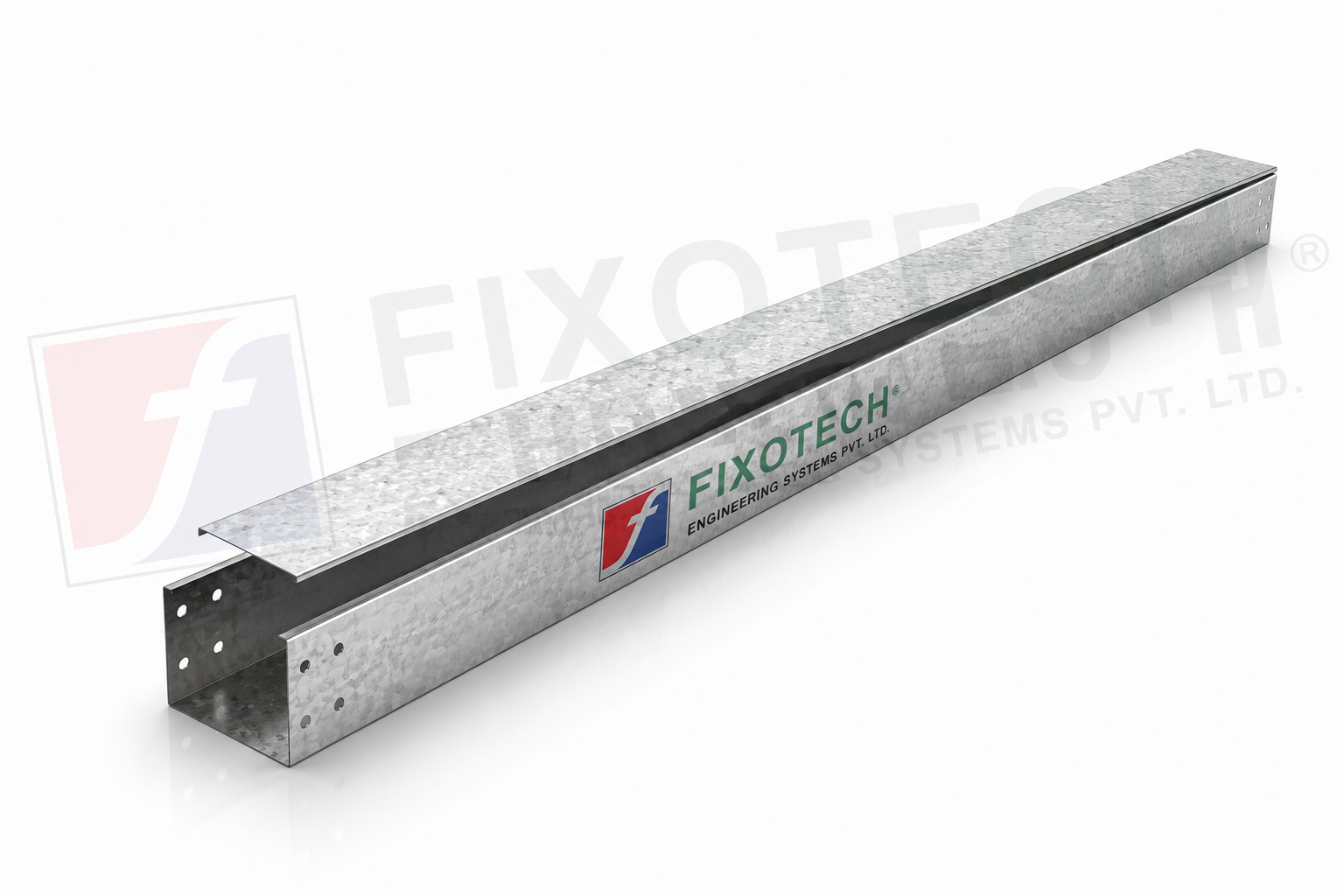
A cable management system made especially for routing and arranging cables over ceilings or overhead spaces is called a ceiling raceway cable tray. Below is a summary of its salient attributes: Design: Flat, enclosed channels or troughs that attach straight onto the ceiling surface are the standard feature of ceiling raceway cable trays. They give cables a safe route to go over ceilings, keeping them arranged and safe from harm. Enclosed Design: Ceiling raceway trays are enclosed to offer more protection and visual attractiveness than open cable trays, which expose cables from all sides. In addition to keeping cables hidden, the enclosure guards against manipulation and unintentional dislodgement. Mounting: Brackets, clips, or other mounting gear are typically used to place ceiling raceway trays straight onto the ceiling surface. Depending on the exact installation needs, they can also be suspended from the ceiling using wire hangers or other suspension systems. Accessibility: A lot of ceiling raceway trays have detachable covers or access panels that make it simple to get to the wires for maintenance, installation, or troubleshooting. In order to ensure that cables can be managed effectively without interfering with the overall cable system, accessibility is crucial. Versatility: Ceiling raceway trays are adaptable and can be utilized in a range of locations, including workplaces, retail stores, medical facilities, educational institutions, and industrial facilities, where overhead wire management is necessary. To meet varying cable types and installation requirements, they come in a variety of diameters, materials, and configurations. Integration: To establish a comprehensive cable management solution for the entire building or facility, ceiling raceway trays can be connected with other cable management systems, such as floor raceways, wall-mounted raceways, and cable trays. All things considered, ceiling raceway cable trays offer a useful and effective way to manage cables along ceilings, keeping things looking neat and orderly while guaranteeing the secure and dependable operation of data, communication, and electrical systems.

Subcategory Tags

Phone Number

08048036736

Please keep 0 before dialling the number.

Email Address sales@fixotech.in

Mon-Thu: 10 AM - 2 PM • Fri: 3 PM - 7AM

Other Website Visit our other website
Address FIXOTECH ENGINEERING SYSTEMS PVT. LTD, #110, M.R Complex Nehru Street, Ram Nagar Coimbatore

Coimbatore, India, 641009