Chennai
08048128279
+919341960055
LADDER CABLE TRAY by Fixotech

REDUCER

In stockcod not available
Phone Number

08048128279

Please keep 0 before dialling the number.

Email Address sales@fixotech.in

Mon-Thu: 10 AM - 2 PM • Fri: 3 PM - 7AM

Other Website Visit our other website
Address Chennai, Tamil Nadu, India

Chennai, India, 0

Description

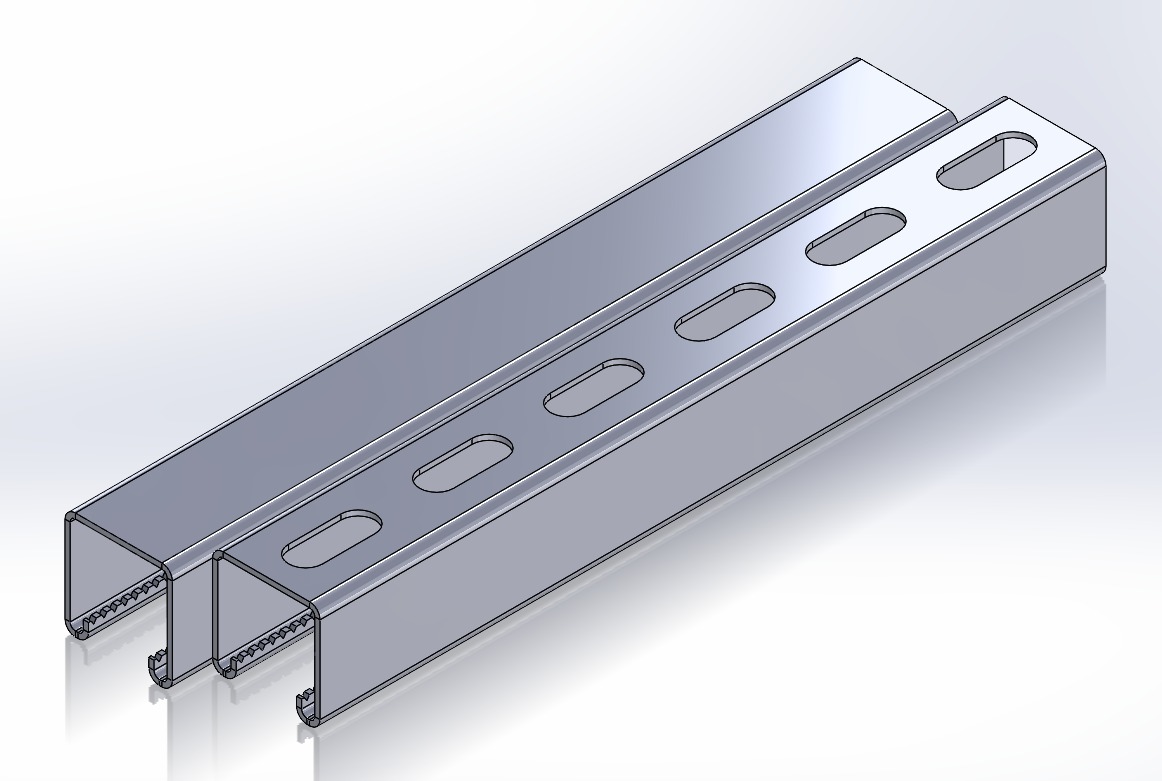
One particular kind of cable tray part made to make switching between cable trays of various widths or diameters easier is the reducer ladder cable tray. Here's a summary of its salient characteristics: Function : In a ladder cable tray system, a reducer's main job is to facilitate the seamless transfer of cables between sections of cable trays that have varying widths or diameters. It could be used, for instance, to join a narrower branch cable tray to a wider main cable tray or the other way around. Design : Sloped or tapered configurations that progressively alternate in width are common in reducer ladder cable trays. This eliminates the need for sudden changes that can damage cables or cause routing problems when guiding cables from the wider to the narrower part, or vice versa. Construction : Reducer trays, like other cable tray parts, are frequently made of metal, like steel or aluminum, and have a ladder-like construction made up of parallel rails or bars joined by rungs. The intended reduction in width is accomplished by integrating the tapered design into the structure. Versatility: Reducer ladder cable trays are adaptable and useful in a range of situations where cables must switch between different cable tray widths or diameters. They are frequently utilized in data centers, business buildings, industrial settings, and other establishments where cable management is crucial. Installation: Reducer trays need to be fitted at junctions where various cable tray portions converge, necessitating a width adjustment. Brackets, supports, or other mounting gear appropriate for the particular installation requirements can be used to mount them. Compatibility: Reducer trays are made to work with other cable tray parts and regular ladder cable trays. This makes it simple to integrate them into pre-existing cable management systems. For even more personalization, they might also work with add-ons like coverings, dividers, and fittings. In conclusion, reducer ladder cable trays are crucial parts of cable management systems because they allow cables to be supported and protected appropriately along their routing path and transition between cable trays of various widths or diameters with ease
Keywords

Other Products

view all

68179d65be22ee500d53ff54 Card 2

product image
JUNCTION BOX FOR RACEWAY

Within a cable management system, a junction box for a raceway cable tray is a specialized enclosure that makes it easier to branch or terminate wires. Here's a summary of its salient characteristics: Function: In a raceway cable tray system, a junction box's main purpose is to offer a safe, well-organized place for cables to be terminated, branched, or spliced. It makes it possible to distribute wires to various locations across the system effectively. Design: Raceway cable tray junction boxes are usually made as enclosed enclosures with several cable entry and exit points. They might have mounting holes for attachment to the raceway system, as well as detachable coverings or access panels for simple access to the inside. Construction: Sturdy materials like steel, aluminum, or PVC are frequently used to build these junction boxes, guaranteeing strength and safety for the cables inside. They are made to offer dependable support and organization while withstanding the weight of cables and the elements. Versatility: Raceway cable trays junction boxes are adaptable and can be utilized in a variety of settings where cables need to be terminated, branched, or spliced inside a raceway system. They are frequently utilized in data centers, business buildings, industrial settings, and other establishments where cable management is crucial. Installation: Junction boxes are usually put in place at key sites in the raceway system, like corners, intersections, and terminations. They can be fixed to the raceway itself, or installed on supports, mounting brackets, or other gear meant for raceway installations. Compatibility: Raceway cable trays' junction boxes are made to work with other cable management parts and common raceway systems, making it simple to integrate them into the current cable infrastructure. For even more personalization, they might also work with add-ons like coverings, dividers, and fittings. In conclusion, raceway cable trays junction boxes are essential for effectively managing and arranging cables inside a cable management system. They offer a safe and well-organized means to splice, terminate, or branch cables as needed.

68179d65be22ee500d53ff54 Card 2

product image
RACEWAY CABLE TRAY - CEILING RACEWAY

To move between raceway sections of various widths or capacities, cable management systems use reducer raceway cable trays. Below is a summary of its salient attributes: The main purpose of a reducer raceway cable tray is to make it easier for cables to go smoothly from a bigger to a smaller raceway section (or vice versa). It guarantees that wires may be arranged and supported appropriately, all the while being routed safely and effectively. Design: Reducer raceway trays are usually made in a sloping or tapered shape that progressively changes in size. Because of this design, wires may be led smoothly from the bigger to the smaller section—or vice versa—without having to make sudden shifts that could harm the cables. Construction: Reducer trays, like other raceway parts, are frequently made of sturdy materials like steel, aluminum, or PVC. They are made to offer dependable support and protection even in the face of environmental stresses and cable weight. Versatility: Reducer raceway cable trays are adaptable and useful in a range of situations where cables must switch between sections of raceways with varying capacity or diameters. They are frequently utilized in data centers, business buildings, industrial settings, and other establishments where cable management is crucial. Installation: Reducer trays are usually placed where various raceway sections converge and a size adjustment is necessary. Brackets, supports, or other raceway installation-appropriate mounting gear can be used to mount them. Compatibility: Reducer trays may be easily integrated into the current cable architecture because they are made to work with common raceway systems and other cable management components. For even more personalization, they might also work with add-ons like coverings, dividers, and fittings. In conclusion, reducer raceway cable trays are essential for effectively arranging and managing wires between raceway sections with varying capacities or widths. They also ensure that cables are properly supported and protected, contributing to the upkeep of a tidy and efficient cable management system.

68179d65be22ee500d53ff54 Card 2

product image
RACEWAY CABLE TRAY - CEILING RACEWAY

Specific parts used in cable management systems to travel cables vertically, either inward towards a surface or outward from it, are called vertical inward and outward raceway cable tray bends. Below is a summary of each: Vertical Inward Bend: This part is made to make it easier for cables to go from a horizontal to a vertical orientation, pointing them in the direction of a wall or column, for example. Usually, it has an angled or curved part that directs cables from a horizontal raceway to a vertical one safely and smoothly. Vertical Outward Bend: On the other hand, this bend moves cables away from a surface like a wall or column by switching them from a vertical to a horizontal orientation. It has an angled or curved part that guarantees cables are directed safely and smoothly, just like the inward bend. In cable management systems, these parts are essential, particularly when cables need to change directions vertically. They guarantee effective use of space, keep cables organized, and guard against damage. Usually composed of sturdy materials like steel, aluminum, or PVC, they can be combined with other raceway parts to provide a complete cable management system.