Choosing between perforated and ladder cable trays is a common decision during electrical project planning. Both create structured pathways for cables, but their construction differs significantly. Before approaching a Perforated Cable Tray Manufacturer in Chennai or specifying a ladder system, buyers should understand how those differences relate to the actual cable route.
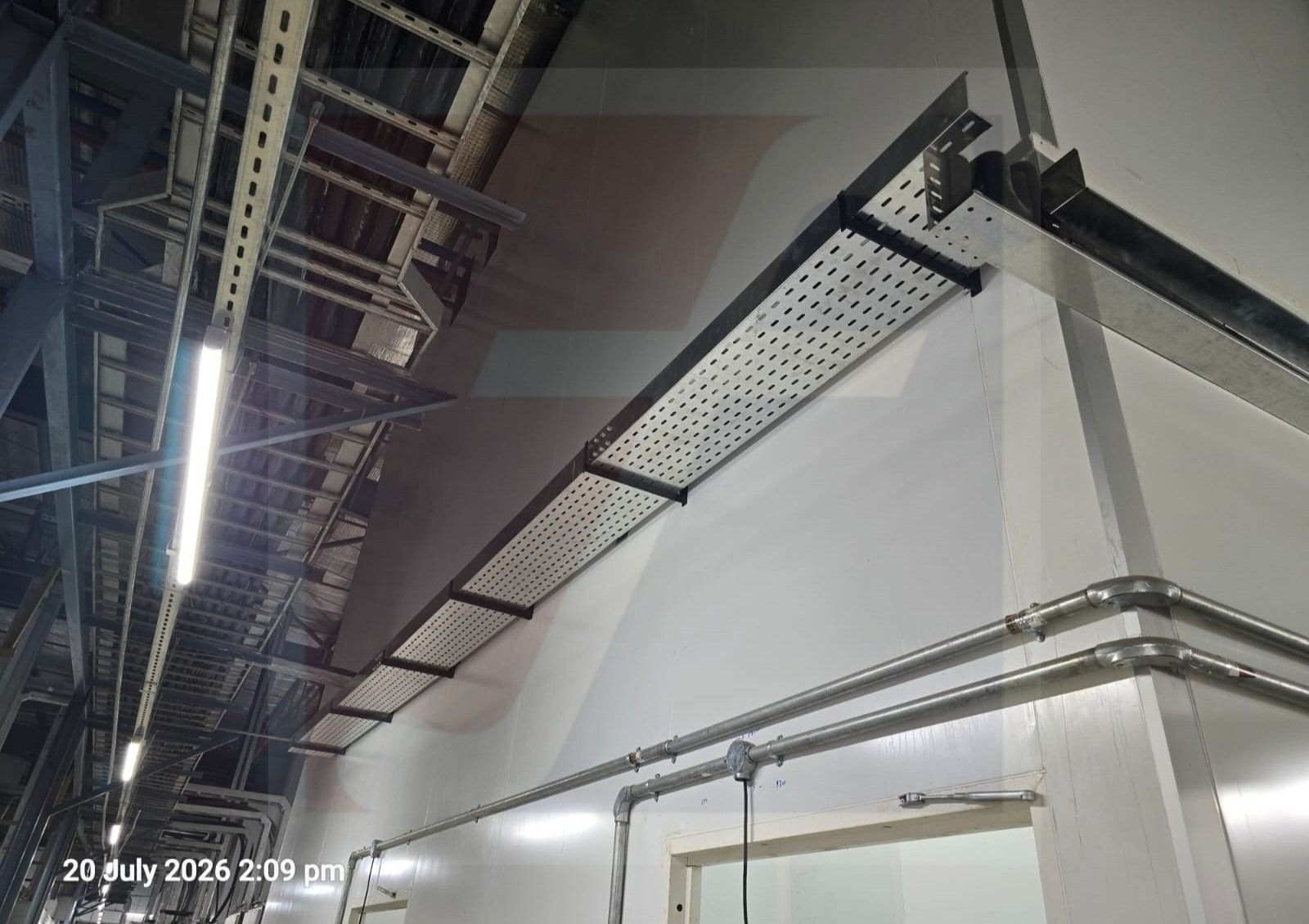
A perforated tray has a relatively continuous base containing multiple openings. This construction provides broad support beneath the cables while the perforations allow ventilation.
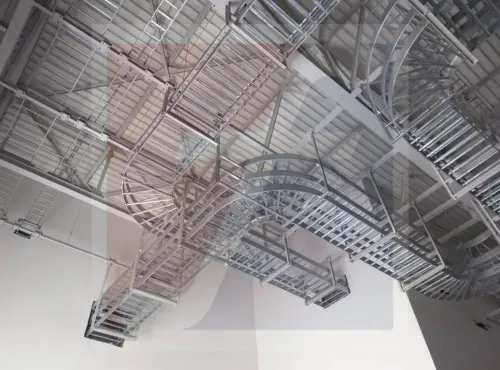
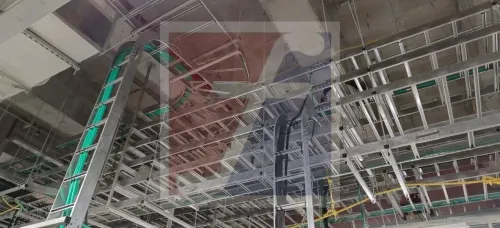
A ladder tray has two longitudinal side members connected by regularly spaced rungs. It has a substantially more open structure and resembles a ladder when viewed from above.
Neither design should automatically be described as the better option. Selection depends on the project.
Perforated trays may be considered where the electrical design calls for a supporting base beneath the cables. They can be used for various power, control and instrumentation cable routing requirements, subject to engineering specifications.
Ladder trays are commonly evaluated for industrial cable routes where an open construction is preferred and cable characteristics are compatible with rung support.
Before choosing between them, project teams should review:
- Cable dimensions and types: The size, quantity and nature of cables influence the required supporting arrangement.
- Cable loading: The selected tray construction, width and thickness should correspond with expected loads and support conditions.
- Route layout: Straight runs, bends, vertical transitions and branching points affect the complete tray system.
- Environment: Indoor, outdoor and industrial exposure conditions can influence material and finish requirements.
- Accessory availability: The chosen system should have compatible bends, tees, crosses, reducers and other required components.
- Project specification: Approved engineering documentation should remain the primary reference for final selection.
For Chennai's manufacturing and industrial projects, procurement teams may encounter both configurations within the same broader facility depending on the electrical design.
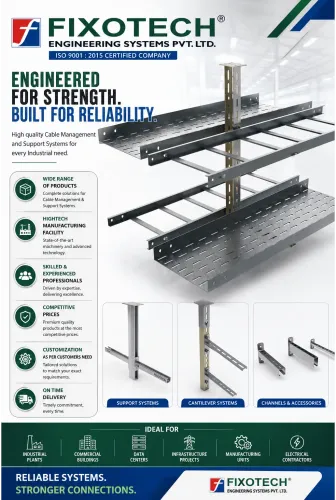
Fixotech Engineering Systems Pvt Ltd manufactures perforated and ladder cable tray products for project requirements in Chennai. When requesting manufacturing details, buyers should provide technical specifications rather than asking for a generic recommendation based solely on price.
The practical comparison is therefore not simply perforated versus ladder. The correct question is which tray construction, dimensions, material and accessories correspond with the cables, routing conditions and engineering specification of the particular project.